
How to Identify Occupations in Demand for Your Career Path?
The Essential Guide to Careers That Are in High Demand

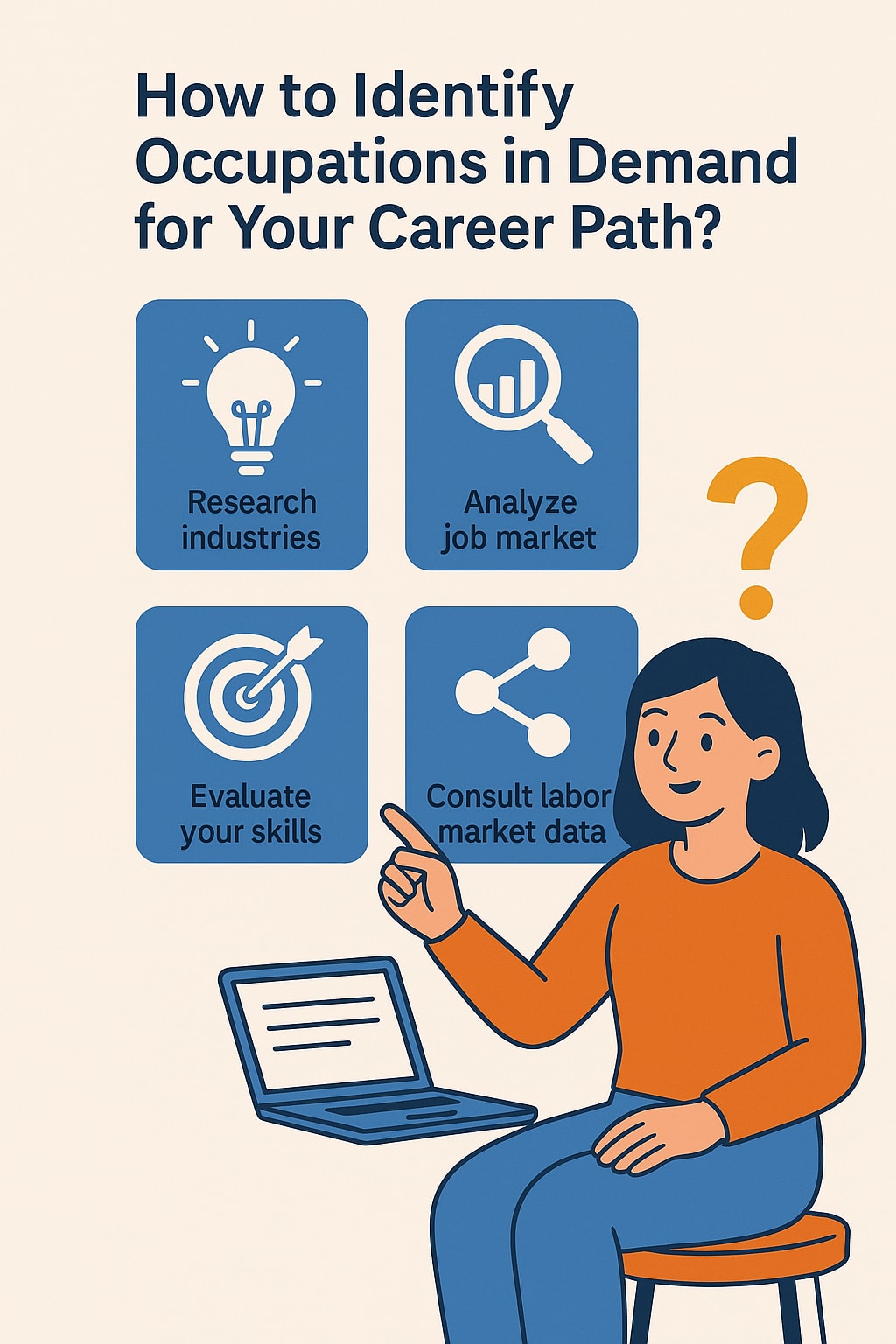
In today’s dynamic job market, identifying occupations in demand is crucial for long-term career success. Whether you're entering the workforce for the first time, switching careers, or planning for future growth, understanding labor market trends can help you make informed decisions. This guide will walk you through the essential steps to identify high-demand occupations that align with your skills and aspirations.
The Importance of Skills in High-Demand Occupations
1. Research Industry Trends
The first step in identifying occupations in demand is to stay updated on industry trends. Various industries experience fluctuations due to economic conditions, technological advancements, and consumer preferences. To stay informed:
• Follow reputable labor market reports from sources such as the Bureau of Labor Statistics (BLS), LinkedIn Economic Graph, and industry-specific publications.
• Observe emerging sectors such as renewable energy, artificial intelligence, cybersecurity, and healthcare, which consistently show strong growth.
• Join professional forums and networking groups to engage with industry professionals and gain firsthand insights.
2. Analyze Job Market Data
Government and private organizations provide valuable data on employment trends. Use the following resources to analyze job demand:
• Bureau of Labor Statistics (BLS): Offers reports on employment projections, job growth rates, and wage statistics.
• Job Market Reports from Online Job Portals: Websites like Indeed, Glassdoor, and LinkedIn regularly publish hiring trends and skill demand analysis.
• Local Economic Development Agencies: Provide insights into regional job growth and industry-specific opportunities.
3. Assess Skill Demand
With automation and digital transformation changing the job landscape, certain skills are more valuable than others. Consider:
• Technical Skills: Proficiency in data analytics, software development, cybersecurity, and artificial intelligence is increasingly sought after.
• Soft Skills: Employers value communication, adaptability, problem-solving, and leadership skills, as they are essential across industries.
• Certifications and Training: Some in-demand occupations require certifications (e.g., Project Management Professional, AWS Certified Solutions Architect, or Certified Nursing Assistant) to improve employability.
4. Explore Workforce Shortages
Identifying industries and occupations facing workforce shortages can provide lucrative career opportunities. Some fields that frequently experience labor shortages include:
• Healthcare (nurses, physicians, medical technicians)
• Information Technology (cybersecurity analysts, cloud computing specialists, software developers)
• Skilled Trades (electricians, plumbers, HVAC technicians)
• Education (teachers, special education instructors, school counselors)
5. Consider Regional and Global Demand
The demand for specific occupations can vary by region and country. Before making a career decision, evaluate:
• Local Job Listings: Analyze job postings in your area to determine which occupations are frequently advertised.
• Global Job Trends: Some careers offer remote work opportunities, allowing you to tap into international job markets.
• Migration and Work Visa Opportunities: If you're open to relocation, research which countries have skills shortages and offer work visa programs for in-demand professions.
6. Utilize Career Assessment Tools
Online career assessment tools can help match your interests, skills, and values with high-demand occupations. Some useful tools include:
• MyNextMove (by O*NET)
• CareerOneStop Interest Assessment
• LinkedIn Career Explorer
• 16Personalities Career Test
7. Connect with Industry Professionals
Networking with professionals in your field can provide insider information on job demand and career prospects. Strategies include:
• Attending industry conferences, job fairs, and workshops
• Engaging with professionals on LinkedIn and participating in discussions
• Seeking mentorship opportunities from experienced professionals in your desired field
8. Stay Adaptable and Continue Learning
The job market is constantly evolving, and continuous learning is key to staying competitive. To ensure long-term career success:
• Take advantage of online courses from platforms like Coursera, Udemy, and edX.
• Stay updated with industry news and innovations.
• Regularly assess your career goals and adjust your path based on emerging opportunities.
Conclusion:
Identifying occupations in demand requires a combination of research, skill assessment, networking, and adaptability. By leveraging labor market data, industry insights, and career assessment tools, you can make informed decisions that align with your long-term career aspirations.
Whether you're just starting out or looking to pivot into a new field, staying proactive in your career planning will ensure that you remain competitive in the ever-changing job market.
About the Creator
Ankit Sharma
Ankit Sharma is a passionate blogger who loves exploring tech, travel, and lifestyle trends. Follow him for engaging articles and expert tips!
Keep reading
More stories from Ankit Sharma and writers in Lifehack and other communities.
Why Choose the Skilled Work Regional Visa 491?
Australia has long been a preferred destination for skilled workers from around the world. With its strong economy, high quality of life, and numerous career opportunities, it offers an attractive proposition for skilled professionals seeking long-term settlement.
By Ankit Sharma10 months ago in Lifehack
Crucial Health and Safety Practices Every Employer Must Enforce
Creating a safe workplace isn't just about meeting legal obligations—it’s about building a sustainable, ethical, and high-performing business. When companies prioritize employee well-being, they reduce the risk of injuries, legal consequences, and operational disruptions. OSHA and other regulatory bodies have laid down clear guidelines to help employers maintain secure environments. These rules are designed to prevent accidents and illnesses, but their real value lies in protecting the people who keep businesses running.
By Dr. Todd Young6 days ago in Lifehack
The Truth in My Lab Report: How I Slashed My Triglycerides and Changed My Cholesterol for Good
My Lipid Wake-Up Call: How Untangling Triglycerides vs. Cholesterol Changed My Health (And Probably Saved Me) Let’s be real. For years, the words from my doctor’s office just washed over me. A mumbled monologue about “lipid panels,” “numbers,” and “cardiovascular risk.” I’d nod, see a few flagged results on my printout—usually something about triglycerides and LDL—feel a pinch of worry, and then… life would happen. I’d grab a quick sandwich, skip the gym because I was tired, and tell myself I’d deal with it later. The confusion itself was a comfort zone. If I didn’t truly understand it, I couldn’t be fully responsible for fixing it, right?
By John Arthor6 days ago in Lifehack
Miss Persephone's Manual to a Seemingly Ordinary Life
Miss Persephone was found at the dining table, her blue eyes swollen, her tears arriving and retreating like the tides of the ocean. Earlier that day, her family had visited her in the retirement home where she had lived for eight years. It was her eightieth birthday.
By Imola Tóth2 days ago in Fiction




Comments (1)
Great post! The tips on using labor market data and industry trends were super helpful for planning my next career move.