
How To Handle And Store Bulk Cleaning Chemicals Safely
Essential Safety Tips for Storing and Handling Cleaning Chemicals in Bulk
Ever get that sinking sensation when you open a storeroom, and there's something… off? Not a little pongy, but that pungent chemical smell that makes your eyes water? Yeah, me too. And let me warn you, it's not a bad day for your nose. Abusing cleaning chemicals in bulk can turn your office into a danger zone faster than you can utter a "safety audit."
It's an all-too-familiar phenomenon, especially during the frantic pre-Easter spring clean season, when businesses are getting ready for the crowds of consumers. As the autumn cold sets in and everyone wants a germ-free environment, cleaning chemicals in bulk are in high demand. That demand is accompanied by extra responsibility, so let's dive into what you need to know to keep everyone safe.
What are the risks of bulk chemical storage?
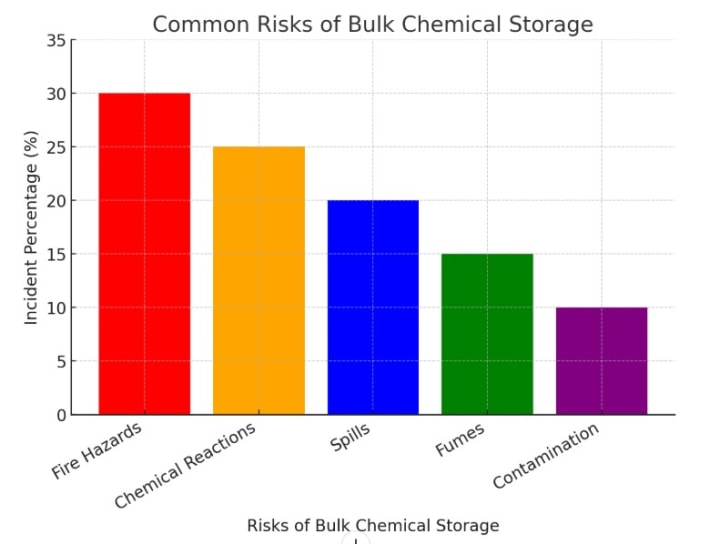
Let's be honest. Storing many cleaning chemicals isn't like having a couple of bottles of window cleaner under the sink. These chemicals demand respect, and one mistake can lead to disaster. Here's what can go wrong:
- Fire hazards: The majority of cleaning supplies are highly flammable. A ruptured container near the source of a flame can become an instant fire hazard.
- Chemical reactions: Certain chemicals will release toxic gases or even explode when mixed. Mix bleach and ammonia, and you have deadly chlorine gas.
- Spills and leaks: Heavy bulk containers can be challenging to handle. A spill is more than a nuisance—it can contaminate large areas, hurt the environment, and put workers at risk.
- Fumes and vapours: Even if well-protected, exposure to chemical fumes via the air can create breathing difficulties, headaches, nausea, and health issues in the long term.
- Contamination: Store appropriately, or contamination of other products or even the food supply will happen.
Identifying these risks is the first step in creating a safe storage and handling procedure for your facility.
How do I label bulk chemicals properly?
Labelling is not just a regulatory requirement; it's your greatest safeguard. Open, visible labels prevent misidentification and make everyone aware of what they're handling. Every bulk chemical container needs to have:
The product name and manufacturer information.
Clear-to-read and clear-to-understand hazard signs and warning stickers.
A list of ingredients so you know exactly what you're getting.
The date received and expiration are to ensure proper stock rotation and avoid using expired chemicals.
Safety Data Sheet (SDS) information is readily available—because knowing how to react in an emergency is just as important as preventing one.
Ignoring proper labelling isn't worth the risk. One tiny error can lead to nasty outcomes, so always follow best practices.
Where do bulk chemicals store?
You wouldn't place your coffee next to rat poison, would you? The same applies to bulk cleaning chemicals—storage conditions matter. Here's what to keep in mind:
- Cool and dry: Heat may degrade or cause some chemicals to react. Store them out of direct sunlight and extreme temperatures.
- Well-ventilated: Chemical vapours can accumulate rapidly and pose a dangerous atmosphere. Proper ventilation is necessary.
- Secure: Unauthorised individuals should be excluded. A locked storage space or cabinets will do just fine. Only trained staff members should have access.
- Segregated: Certain chemicals must never be stored together. Bases and acids, oxidisers and flammables—their combination can spell disaster.
- Bunding: In the event of a leak, you don't want chemicals seeping across the floor. Bunding (a containment system) prevents the spread of spills and contamination.
Compliance with these rules makes your storage area safe and tidy.
What PPE is required for bulk chemical handling?
Working with bulk chemicals without personal protective equipment (PPE) is like attempting to grab a snake with your bare hands—it's not intelligent. The proper equipment can be the difference between a safe working condition and an accident waiting to happen. Some of the necessary PPE includes:
- Gloves: Choose chemical-resistant gloves, not standard rubber gloves. Chemicals need glove materials, so refer to the SDS for advice.
- Eye protection: Face shields or goggles protect eyes from splashing, which can result in a severe eye wound.
- Respirators: A respirator with the corresponding filter is obligatory while working with chemicals that release severe fumes.
- Aprons or overalls: They save your clothes and skin from uncontrolled spills.
- Safety shoes: Chemical-resistant and non-slip shoes prevent slipping and protect feet from spills or falling containers.
Proper PPE is not enough—training in its usage and maintenance is equally important.

How to prevent bulk chemical spills?
Prevention is better than cleanup, especially with hazardous chemicals. Spills may cause injuries, property destruction, and environmental pollution. Reduce the risk by:
- Using proper handling equipment: Trolleys, drum dollies, and spill-proof containers make handling safer.
- Training staff: Everyone handling chemicals needs training in protocols and dealing with emergencies—no winging it.
- Regular checks on containers: Inspect for leaks, corrosion, or damage before and after use.
- Keeping spill kits ready: Absorbents, neutralising products, and safety gear should be readily available, with clear instructions on acting.
By implementing these best practices, businesses can safely store cleaning chemicals in bulk and protect employees, consumers, and the environment.
What is the best temperature for chemical storage?
Chemical stability may be affected by changing temperatures. Generally, a calm and stable location would be best. However, always check the SDS to see if there are special conditions. You don't want to use extremes, especially as we head into those unpredictable fall days.
Case study
In one of the latest case studies, I investigated how a prominent Australian distributor of wholesale cleaning products ensures the safe handling and storage of cleaning chemicals in bulk. The firm services diverse industries like hotels, hospitals, and restaurants with an extensive range of commercial and industrial cleaning products.
Their strategy for chemical safety involves adherence to rigorous Australian safety standards, optimal storage options, and intensive personnel training. To avoid danger, chemicals are kept in specially designated, ventilated spaces with explicit labelling and spillage containment. Furthermore, employees with these products undergo regular training in safe handling, protective gear requirements, and emergency response.
With these best practices, the company protects its workers and adheres to industry standards. This case study emphasises the significance of having correct chemical storage and handling procedures in place for companies that depend on bulk cleaning chemicals to maintain hygiene and safety in the workplace.
Conclusion
It's not all about tick boxes when storing and handling bulk cleaning chemicals safely. It's about creating a clean and healthy working environment for everyone. Understanding the hazards, following the proper procedures, and staying alert can help avoid accidents and ensure compliance.
Just remember—if unsure, refer to the SDS or consult a professional. Don't be a "sticky beak"—ask for help. It's better to be safe than sorry when handling potentially hazardous chemicals. And as we reach the height of the autumn season, a little extra precaution is always welcome.
About the Creator
Keep reading
More stories from Nancy Aaron and writers in Lifehack and other communities.
Upgrade Your Home Today: Expert Carpet Installation
Do you need carpet installation? Does a place instantly make you feel warm? A warm, cosy, beautiful room can be on the floor. The same room may become exceptional because of comforting textures and color-invitingness. If you want to upgrade the floor of your house, this is for you because a professional carpet installer might solve the problem at its best.
By Nancy Aaronabout a year ago in Lifehack
The Surprising Way Positive Thinking Can Change Your Life
Let me tell you the story of how I almost didn't win a car. Yup. You've heard it right. A car. But we almost didn't enter the raffles, thinking "Well, out of the thousands that applied, it's impossible to win".
By Anie Libanabout 8 hours ago in Lifehack
Rachel Reviews: The Spiral Archive by Pieter Hendrik
It's difficult for me to know where to start with a review of this book as it was, for me, an entirely unique experience and one that I'll probably never have again. I don't want that to be interpreted as unenjoyable but it has left me scratching my head a little and ruminating on its content, its themes and its characters.
By Rachel Deeming4 days ago in BookClub


Comments (1)
Great safety tips! Good work!