
How to Grow a Medicinal Garden: From Seeds to Natural Remedies
Cultivating Wellness: A Step-by-Step Guide to Growing Your Own Healing Herbs
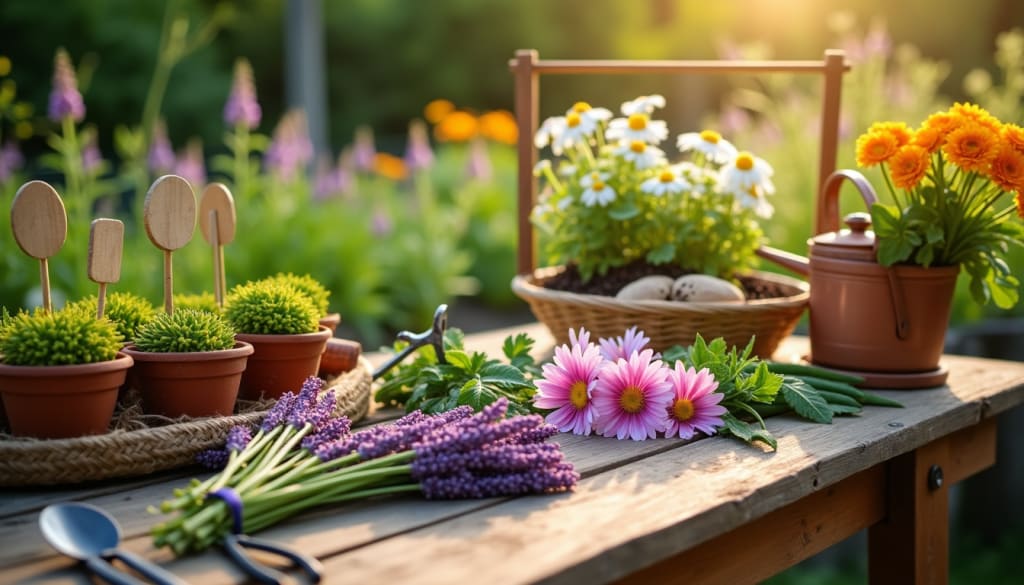
Growing a medicinal garden helps create your own natural pharmacy at home. Traditional medicinal plants like lavender and echinacea have supported immune health and reduced stress for centuries. Your own healing garden provides practical benefits and connects you deeply with nature.
Medicinal plants are available to grow, even if you’re just starting out. Modern starter kits make the process simple. These kits include everything you need to succeed — detailed growing guides and carefully selected seeds from plants like chamomile, calendula, and California poppy.
Let me walk you through everything in creating your own medicinal garden. You’ll learn to choose the right location and tools to become skilled at proper care techniques. This knowledge will help you grow, harvest, and process natural remedies right in your backyard.
Planning Your Medicinal Garden
“A garden requires patient labor and attention. Plants do not grow merely to satisfy ambitions or to fulfill good intentions. They thrive because someone expended effort on them.” — Liberty Hyde Bailey, American horticulturist and botanist
Your medicinal garden’s success starts with good planning and preparation. Let’s look at what you need to create your own healing sanctuary.
Choosing the right location
The right spot is vital to your medicinal garden’s success. Most healing herbs need at least six hours of direct sunlight each day. The soil should drain well and be rich in organic matter. People with small spaces or less sunlight can use containers to move plants where they get more sun.
Essential tools and supplies
You’ll need specific tools to grow medicinal plants properly. Here’s what your garden needs:
- Hori-Hori Knife: Great to plant, weed, and harvest
- Protective Work Gloves: Guards your hands from thorns and prickly plants
- Ambidextrous Garden Scissors: Perfect to harvest delicate herbs
- Herb Stripper: Made just to separate leaves from stems
Selecting plants based on your needs
Look at your family’s common health issues before picking your plants. Research shows each plant needs different growing conditions, so group similar ones together. Plants need varying amounts of water and sunlight, so their placement matters in your garden.
New gardeners should start with tough plants that serve multiple purposes. You might want to add plants that both heal and bring helpful insects to your garden. Choose organic seeds to get the most healing power from your plants.
Note that many useful medicinal herbs like Mugwort, Passionflower, and Dandelion grow commonly in many areas. These plants make great additions to your garden because they have strong healing properties and are easy to maintain.
Starting Seeds Successfully
Starting a medicinal garden from seeds brings satisfaction and helps save money. You’ll need to choose between indoor and outdoor seeding methods since each has its own benefits.
Indoor vs outdoor seeding
Seeds started indoors give you a jumpstart on the growing season. Starting seeds indoors lets you control temperature and moisture levels better and creates an ideal environment for delicate medicinal herbs. The best time to start indoor seeds is six to eight weeks before the last frost date.
Outdoor seeding works great for herbs that don’t transplant easily. Plants like California poppy, cilantro, parsley, and red clover thrive with direct seeding. The garden soil temperature should be between 60–70°F when you plant tender annuals.
Proper soil preparation
Your seed starting success depends on good soil preparation. A fine-textured soil mix is a vital part of growing medicinal herbs because smaller particles keep tiny seeds from getting lost in large soil gaps.
Mix these ingredients to create the perfect seed starting mix:
- 6 parts compost
- 3 parts soil
- 1 part sand
- 1 part manure
- 1 part peat moss
The potting soil should be pre-wet before filling seed containers to prevent depth loss from compaction. Garden soil beds need light raking and removal of rocks larger than a gum ball.
Good moisture management leads to seed success. Seeds need gentle watering to stay in place, and proper drainage prevents damping off. Humidity covers can help indoor setups by mimicking natural rain cycles and spreading moisture evenly.
Basic Care Guidelines
“A garden is a grand teacher. It teaches patience and careful watchfulness; it teaches industry and thrift; above all it teaches entire trust.” — Gertrude Jekyll, British horticulturist and garden designer
Good care techniques are the foundations of a thriving medicinal garden. Let’s look at everything in maintenance that will keep your healing plants healthy and productive.
Watering techniques
The right timing is a vital part of watering medicinal herbs. We watered our garden in the early morning hours between 6–6:30 AM. This helps roots absorb water better. Most herbs need steady moisture but don’t do well in waterlogged soil. The top inch of soil tells you when to water — if it’s dry, your plants need a drink.
Each herb needs different amounts of water. Mediterranean herbs like rosemary and sage do better when their soil dries between waterings. Herbs like basil and mint need more water to stay happy. Plants in containers might need daily watering during hot weather.
Natural pest control
Plants resist pests better in healthy soil. Adding companion plants helps reduce pest problems by a lot. Herbs with strong scents like mint, sage, and basil keep many insects away naturally.
These natural deterrents improve protection:
- Marigolds keep aphids and plant lice away
- Garlic stops fungus gnats and spider mites
- Lemongrass makes mosquitoes stay away
- Lavender keeps moths and flies at bay
Pruning and maintenance
Regular pruning helps plants grow bushier and lets air flow better. Young leafy herbs like cilantro and basil need their new growth pinched at the top often. Woody herbs like sage and thyme need one pruning each year, best done in spring when new growth starts.
Sharp, clean tools work best. Never cut more than a third of the plant at once. The right pruning keeps plants shaped well and stops them from flowering, which makes their medicinal properties weaker.
Harvesting and Processing Herbs
The right timing and technique can make a huge difference when you harvest medicinal herbs. A good understanding of these elements will give a maximum potency in your healing garden.
When to harvest
You need careful timing to gather herbs at their peak potency. We harvested herbs early in the morning after the dew dries but before the heat kicks in. The highest concentration of essential oils comes from aromatic herbs gathered mid-morning just before noon.
Each part of the plant needs specific timing. So pick flowers right as they open, not when they’re in full bloom. Herbs grown for their leaves should be gathered before they flower to keep their best flavor and medicinal properties. The best time to harvest roots comes in fall after the leaves fade.
Drying methods
Drying herbs is a great way to preserve their healing properties. The success of drying depends on warmth, good airflow, and dryness.
Here are some proven drying techniques to get the best results:
- Air drying: Hang small bundles upside down in a warm, dark space with good air circulation
- Screen drying: Spread herbs on window screens suspended over sawhorses
- Dehydrator method: Use temperatures between 90–100°F for 1–3 hours
Plant parts have different storage lives. In fact, dried leaves and flowers stay potent for 1–2 years, while roots can last 2–3 years with proper storage. Keep dried herbs in airtight glass containers away from sunlight and moisture to maintain their medicinal properties.
Conclusion
A medicinal garden may seem daunting initially, but careful planning and patience will lead to great results. The right location choice, smart seed starting, and consistent care will help you build your natural pharmacy at home.
Each plant brings distinct benefits that make your garden an individual-specific healing space. Most medicinal plants need simple care to thrive — good sunlight, proper watering, and regular maintenance.
The time you invest in these healing plants yields practical benefits and strengthens your connection to traditional remedies. Your growing garden will teach you to harvest and preserve herbs naturally. This knowledge helps you maintain your natural medicine cabinet throughout the year.
Begin with a few plants and learn as each season passes. Your medicinal garden will grow into a vibrant sanctuary of healing plants. Every expert gardener planted their first seed once, and now you can start this enriching experience.
Ready to start your own medicinal garden? Click here to get your exclusive garden kit now and begin growing natural remedies from the comfort of your home!
About the Creator
Live Smart, Travel Smart
Helping you live your best life, at home and on the road, from budget travel tips and packing hacks to productivity hacks and mindfulness practices. Travel smarter, live better, and make the most of every moment. https://bit.ly/3Eyet2Z
Keep reading
More stories from Live Smart, Travel Smart and writers in Lifehack and other communities.
The Best Travel Insurance Options for Digital Nomads
As a digital nomad, it’s vital to have the right travel insurance. It protects you and your business while you work abroad. What sets nomad insurance apart from regular travel insurance? How do you pick the best remote worker insurance for you? To learn more, click here.
By Live Smart, Travel Smart12 months ago in Lifehack
How to Choose the Right Moving Company in Boise, Idaho
Moving in Boise, Idaho, has become increasingly common as the city continues to grow and attract new residents. While Boise offers a balanced lifestyle and accessible neighborhoods, relocating within or into the area still requires thoughtful planning. Choosing the right moving company and understanding local conditions can make a significant difference between a smooth transition and a stressful experience.
By House Doctor2 days ago in Lifehack
Moving and Storage in Baltimore: Practical Tips for a Smoother Transition
Moving in Baltimore presents a unique set of challenges shaped by the city’s layout, historic neighborhoods, and active urban rhythm. From narrow streets and rowhouses to strict parking rules and seasonal traffic, relocating within or into Baltimore requires preparation and local awareness. Understanding how moving and storage work together can help residents manage transitions more efficiently and avoid common setbacks.
By House Doctor2 days ago in Lifehack
One Unchecked Box
"Republished" because it was the only way to add the embed for the newly recorded audio version of this story due to the Top Story badge. Plus it serves as a nice, informal announcement of the podcast's revival for another season (go subscribe!):
By Stephen A. Roddewig4 days ago in Fiction


Comments
There are no comments for this story
Be the first to respond and start the conversation.