
How to Fix Patchy Grass and Get a Full, Even Lawn
Tips for Getting a Full, Even Lawn
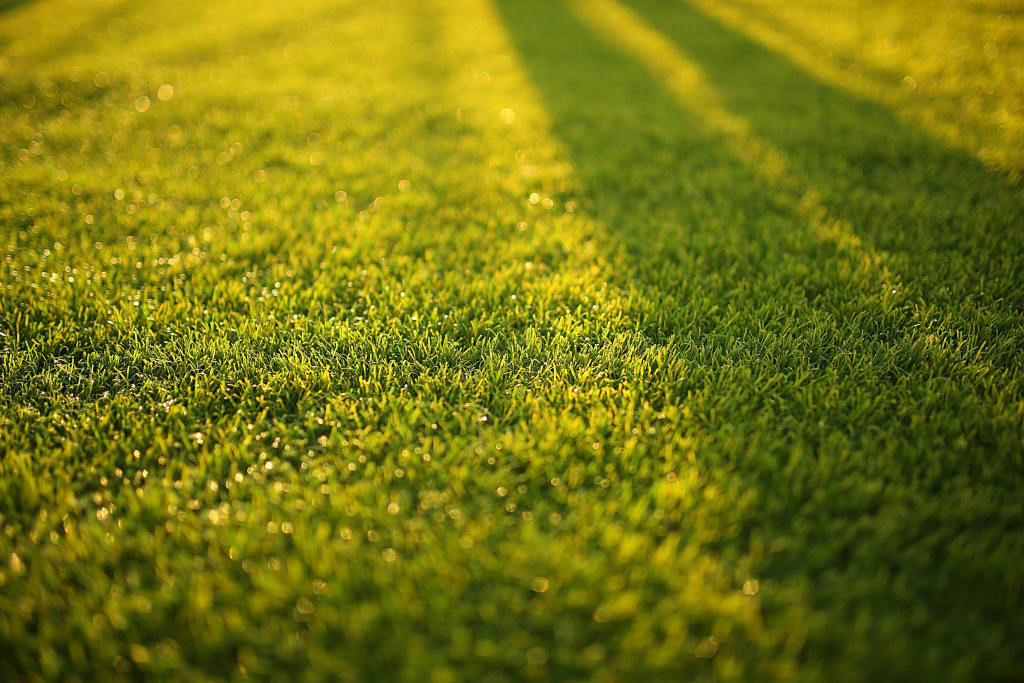
Homeowners care a lot about the appearance of their lawns. And if the grass on that lawn is barely there or patchy, it can be really frustrating. It detracts from your property's overall appearance and can be difficult to repair without the right approach.
Fortunately, restoring your lawn isn't difficult; it can become fuller, more even, and easier to maintain with the right steps. If you employ the right steps and practice a little patience, you too can get a healthy and uniform lawn that also lasts through the seasons.
Here are some practical tips for fixing a patchy lawn and instead having a full and even lawn.
Improve Your Soil Conditions
Poor soil is one of the common reasons for a thinning lawn. So, before you do anything else, inspect your soil to see if it is compacted or lacks nutrients. Compacted soil can stop water, air, and other nutrients from reaching the roots and make them weak. To resolve this issue, start with aeration. You can use a core aerator to pull small plugs of soil from the ground. This will allow the root zone to breathe and absorb water. If there is a spongy buildup of dead grass, known as thatch, dethatching will help your lawn breathe better.
The next step is to test the PH level of the soil, which can be done with simple testing kits. Most grasses do well in soil with a PH level between 6 and 7. If your PH is outside that range, apply lime to increase it or sulfur to lower it. This will make for a more favorable environment for the grass to grow even and thick. Once your soil is aerated and has a balanced PH, apply topsoil to low or bare areas to provide nutrition. This will even out the surface and prepare the lawn for new grass or sod.
Reseed Your Lawn Strategically
Seeding is important for filling in thin or patchy areas. However, it is also important to pick the right kind of seed and apply it correctly. Look for high-quality seeds that match the grass type that is already growing in your yard. If you are unsure about the grass type, just take a sample to your local garden center and get it identified.
You will need to loosen the soil with a rake before seeding. This will create contact between the soil and the seed, which is important for germination. Spread your seed evenly and focus on bare spots. But, it is usually helpful to overseed the entire lawn for uniform growth. After seeding, apply a thin layer of compost or topsoil so that the seeds are covered lightly.
Watering is one aspect where it is easy to get it all wrong. New seeds need consistent moisture to sprout, so light watering once or twice daily will help during the initial weeks. Once the seedlings have grown a few inches, you can reduce watering to a deeper soak, twice or thrice a week. Also, do not mow until the new grass is at least 3.5 inches tall. If you cut it too soon or too low, this will damage the tender roots and set back the entire process.
Adopt Proper Lawn Care Habits
Once you have lovely new grass, maintain it properly to ensure it stays healthy and full. One of the best ways to prevent patchiness in the future is to mow it at the right height as well as frequency. Keep your grass 3 or 4 inches tall so that there is deep root growth. This also reduces weed growth.
When mowing, use a sharp blade to make clean cuts. If your mower blade is dull, it will tear the grass, which will cause brown tips and make it vulnerable to disease, too. Avoid mowing more than one-third of the grass height in one go, especially when the weather is hot. Fertilization is important, too. Feed your lawn every six to eight weeks during the growing season and use a slow-release balanced fertilizer for the purpose. Weed control is just as important. Weed steals soil nutrients and overtakes a thin lawn. Use a selective herbicide, but only after your new grass has been mowed at least three times. This will ensure your grass is strong enough to handle treatment without stress.
Install Artificial Grass for a Consistently Fresh Appearance
In some cases, despite giving it your all, the results may not be desirable. Despite your best efforts, your lawn may continue to have patchy areas and look inconsistent. In this case, you may want to consider an alternative such as artificial grass. This solution has become increasingly popular in regions where maintaining a lush, green lawn can be both time-consuming and costly. For homeowners looking for a low-maintenance option, artificial grass in Cleveland, and in other areas, is a practical and visually appealing alternative that stays green year-round, regardless of weather conditions or soil quality. It's also a great choice for those dealing with heavy foot traffic, pets, or shaded areas where natural grass struggles to thrive.
Conclusion
A patchy lawn does not always have to stay that way. With a little attention and time, you will soon have a healthy lawn that uplifts your outdoor space and also holds up throughout the year.
About the Creator
Keep reading
More stories from Amy Sloane and writers in Lifehack and other communities.
Why Engagement Matters More Than Reach
Reach looks impressive on a dashboard. A post appears on thousands of screens and the number feels like progress. Many creators celebrate that spike, especially when they are building Instagram side income. Yet income rarely follows reach alone. What actually drives earnings on small niche accounts is engagement.
By Nina Rafferty7 days ago in Lifehack
REEEEEEEEE!
I'm on a low road right now. There are a literal million things to do and not one of them worth my time. I would rather sit in place and burn but the orbit takes me on its inevitable route 'round the center; and I a center in my own right, around which others orbit, and so on and so forth, ad infinitum, ad nauseum.
By C. Rommial Butlera day ago in Poets



Comments