
How to Choose the Right Study Table for Students
Whether your child is entering school or preparing for exams, having a dedicated workspace can make all the difference in their academic performance. A study table for students is not just another piece of furniture - it’s a productivity tool, a space for focus, and a place that fosters routine.
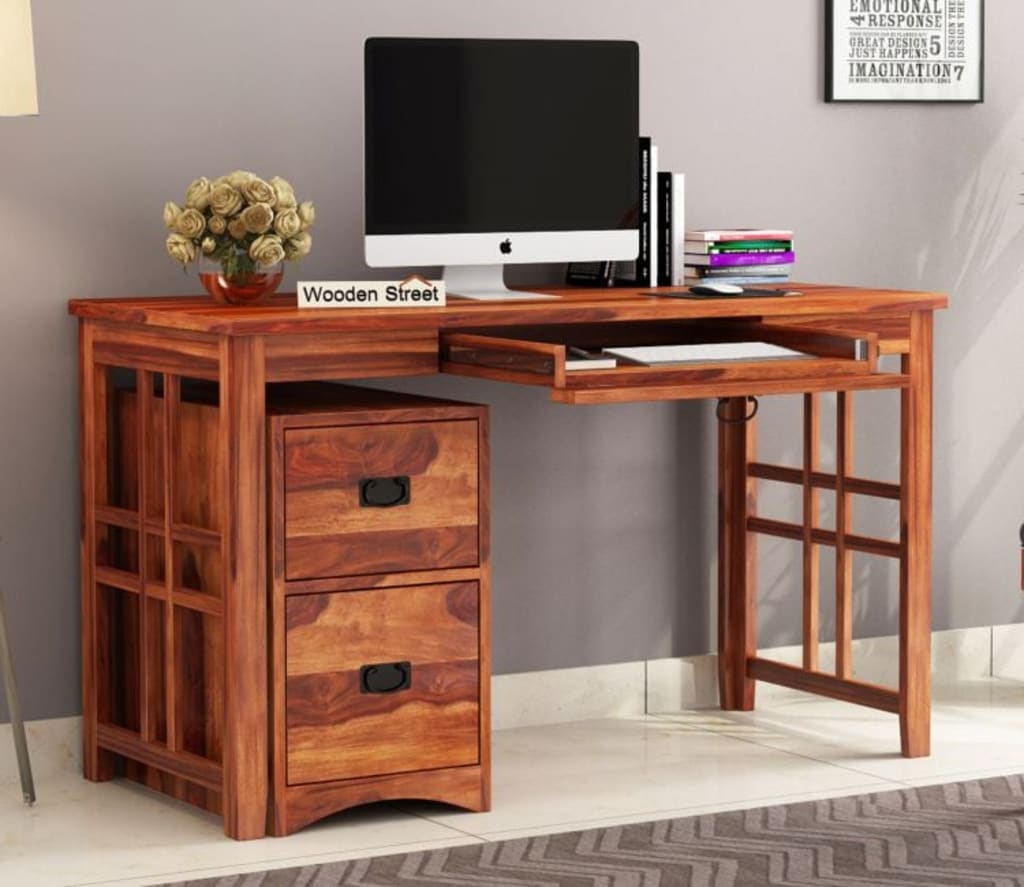
With the growing emphasis on online learning, assignments, and digital resources, selecting the right study table has become more important than ever.
But with so many choices in the market, how do you choose the perfect one?
In this blog, we’ll walk you through everything you need to consider when selecting a study table for students, including size, ergonomics, storage, materials, and features that match your space and your child’s learning needs.
1. Assess the Available Space
Before diving into designs and styles, consider where the study table will be placed. Whether it’s in a separate study room, bedroom corner, or shared living space, the table should comfortably fit without making the area feel cramped.
Tips:
- Measure the floor space before you shop.
- Leave room for a chair and easy movement.
- Consider wall-mounted or foldable study tables for compact rooms.
2. Pick the Right Size
The size of the table should correspond with the age and height of the student. A study table that is too low or too high can cause discomfort, bad posture, or even long-term health issues.
Ideal dimensions:
- For younger children (ages 6–10): around 20–24 inches in height.
- For teens and college students: around 28–30 inches in height.
Ensure there's enough surface area for books, a laptop, a desk lamp, and writing materials. A cramped tabletop can discourage proper study habits.
3. Focus on Ergonomics
An ergonomic study setup plays a vital role in long study sessions. A poorly designed table can lead to backaches, eye strain, or poor concentration.
Key ergonomic features:
- Comfortable legroom and knee space.
- Proper desk-to-chair alignment.
- A flat, matte surface that reduces glare.
- Optional keyboard trays if your child uses a computer.
Pairing the study table with an ergonomic chair will further enhance comfort and productivity.
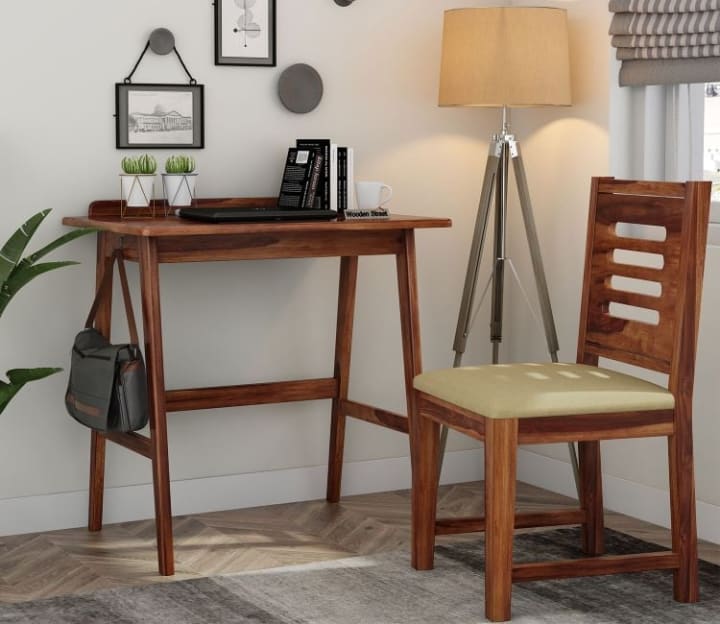
4. Choose Between Open and Closed Storage
Storage is a crucial feature for keeping the workspace organized. Depending on your student’s age and subject load, you may need a table that comes with drawers, cabinets, or open shelves.
Study table with storage options include:
- Drawers for stationery, notebooks, and gadgets.
- Open shelves for quick-access items like books or water bottles.
- Cabinets for larger items like art supplies, files, or school bags.
An organized table helps reduce distractions and keeps study essentials within reach, making it easier to focus.
5. Select Durable Materials
Study tables are often subjected to rough use—scribbling, stacking, spills, and more. It’s important to choose a material that is sturdy, durable, and easy to clean.
Common material options:
- Solid wood: Long-lasting, strong, and aesthetically pleasing.
- Engineered wood: Affordable and versatile, with various finishes.
- Metal frames: Strong and modern, often used in minimalist designs.
- Plastic: Lightweight and colorful, ideal for younger kids.
Ensure the surface finish is smooth and doesn’t cause splinters, and avoid overly glossy finishes that may reflect light and strain the eyes.
6. Opt for a Study Table With Drawers (If Needed)
For students who need to store multiple supplies—such as geometry tools, pens, chargers, and study notes—a study table with drawers is a practical solution. It helps declutter the surface and provides a dedicated space for smaller items that might otherwise get lost.
Advantages of drawers:
- Keeps the tabletop neat.
- Helps categorize items.
- Offers personal space for belongings.
- Ideal for both school and college students.
If safety is a concern for younger kids, opt for soft-close drawers or tables with no sharp corners.
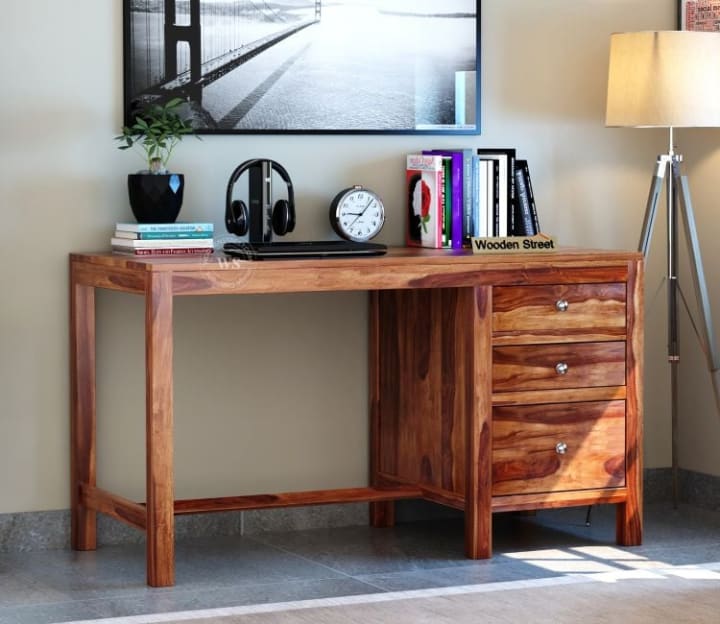
7. Consider the Design and Aesthetics
While function is a priority, design also plays a role. A visually appealing table that matches the room decor can make the study space more inviting. For younger students, colorful and themed tables might make study time more enjoyable. For older students, modern or minimalist designs are typically preferred.
Popular styles:
- Minimalist white or pastel study tables.
- Rustic wooden designs for a warm touch.
- Space-saving L-shaped or corner study desks.
- Convertible tables that double as bookshelves.
A clean, stylish design contributes to a focused atmosphere and reflects the student’s personality.
8. Account for Lighting Needs
A well-lit study area is essential to prevent eye strain. While this may not seem directly related to the table itself, your choice can affect lighting.
Look for:
- Tables that fit near a natural light source like a window.
- Sufficient space for a desk lamp.
- Matte finishes that reduce glare.
Some study tables even come with built-in lighting or pop-up charging ports that add to convenience.
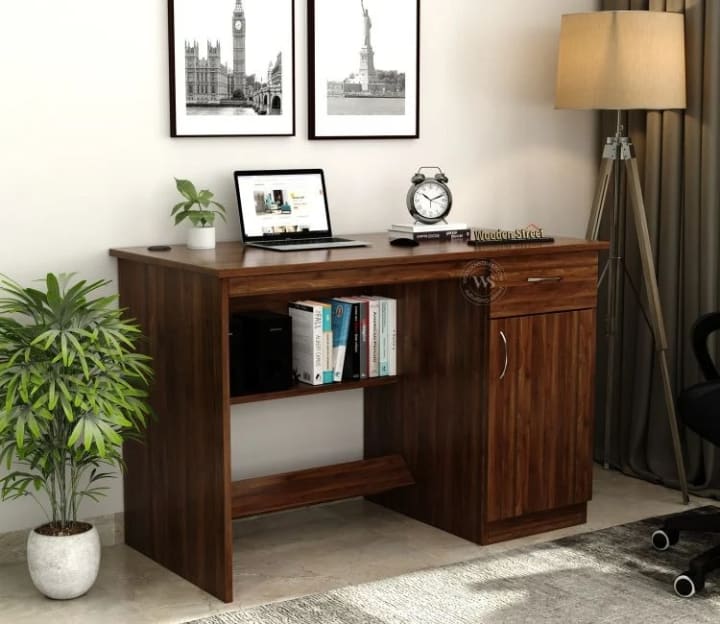
9. Check for Mobility and Flexibility
Depending on your home layout, a movable or foldable study table can offer flexibility. If the table needs to be shifted frequently or tucked away when not in use, look for options with wheels, foldable legs, or compact builds.
Best for:
- Multi-purpose rooms.
- Hostel or rented accommodation.
- Small apartments.
Mobility shouldn’t come at the cost of stability—so make sure the structure is strong and locks securely in place when stationary.
10. Budget Wisely
Study tables are available in a wide range of prices, from budget-friendly to premium. While it’s tempting to go for the cheapest option, remember that a study table is a long-term investment.
Tips for smart buying:
Set a budget range before you start browsing.
Balance cost with durability and features.
Read reviews or check customer feedback.
Compare materials and after-sales options.
Even if you’re working within a modest budget, you can find study tables that offer good quality and essential features.
Final Thoughts
Choosing the right study table for students involves more than just picking a table that looks good. It’s about understanding your child’s needs, the space available, and the features that will enhance their study experience. A thoughtfully chosen study table can improve posture, encourage better habits, reduce distractions, and ultimately boost academic performance.
By taking time to evaluate the right factors—size, ergonomics, storage, material, and design—you’ll create a space where studying is no longer a chore, but a habit cultivated in comfort and focus.
About the Creator
Keep reading
More stories from Mehul sharma and writers in Lifehack and other communities.
5 Reasons Getting a Jhoola Can Improve Your Home Interiors
We all often spend a lot of money trying to buy the best furniture and décor items available online to give our home a good look. The furniture in our home matters a great deal when it comes to setting up our home’s ambience, and the right furniture can turn your home into a comfort haven. A jhoola might not be as common as other furniture item, but a jhula for adults as well as children can be very beneficial for every family. You can add a lot of style and edge to your home, no matter what type of décor you have when you get the right jhoola for your place.
By Mehul sharma3 years ago in Lifehack
Phoenix, Arizona: The City That Learned to Grow With the Desert
When people first arrive in Phoenix, Arizona, the landscape can feel almost surreal. The vast Sonoran Desert stretches outward with towering saguaro cacti, rugged mountains, and wide skies that shift colors dramatically at sunset. At first glance, it seems like an unlikely place for a major metropolitan area.
By House Doctor4 days ago in Lifehack




Comments
There are no comments for this story
Be the first to respond and start the conversation.