
How to Choose the Right Metal for My Engagement Ring?
Learn how to choose the right metal for your engagement ring, from platinum to yellow gold and more.

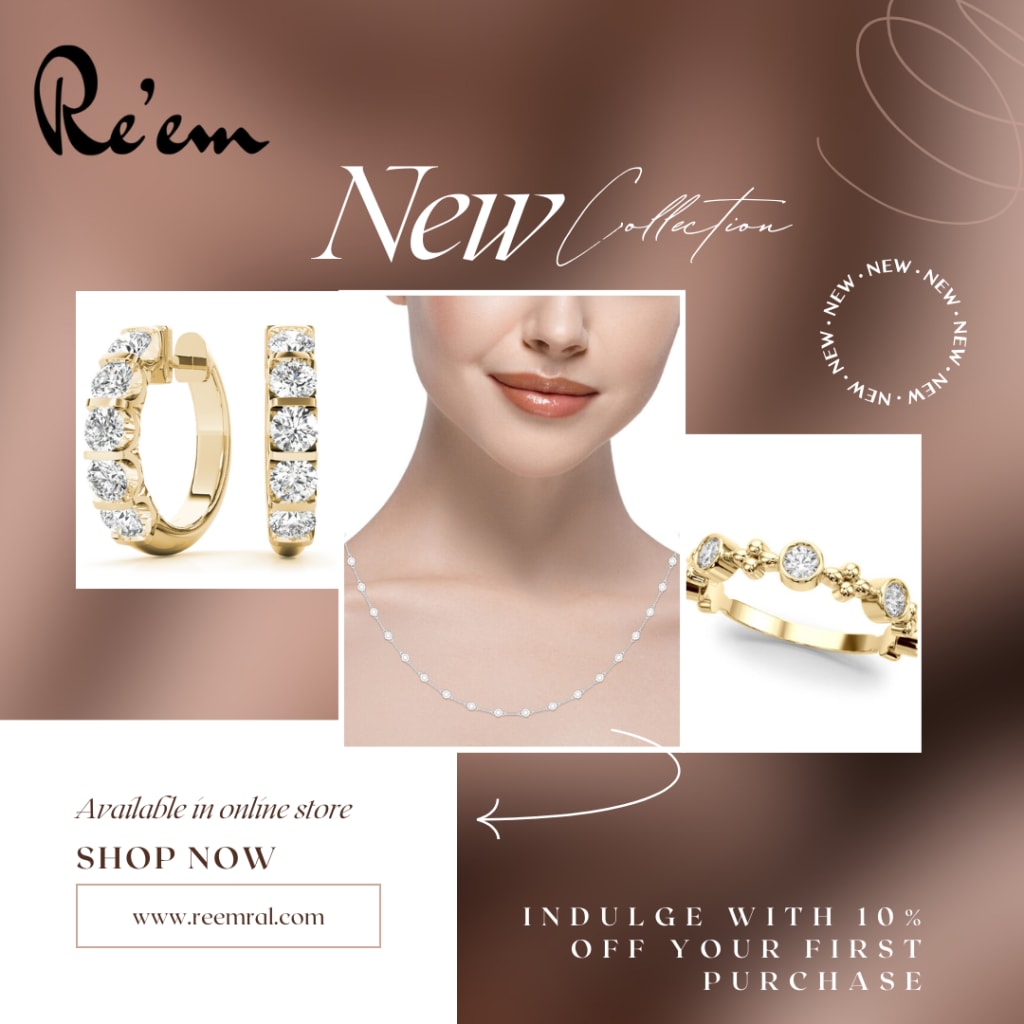
Choosing the perfect engagement ring is one of the most exciting yet challenging decisions you’ll ever make. While many aspects contribute to this choice—such as the diamond or gemstone, engagement ring style, and overall design—the metal you choose plays a critical role in the ring’s appearance, durability, and longevity. Whether you're opting for a timeless diamond engagement ring or a more unique style like halo engagement rings, the metal you select will not only complement the stone but also reflect your partner's personality and lifestyle.
In this article, we’ll guide you through the different metals commonly used in engagement rings, discuss their pros and cons, and help you make an informed decision. From the classic yellow gold to the modern sophistication of platinum, understanding the qualities of each metal will ensure you choose the best option for the perfect engagement ring.
The Role of Metal in Engagement Rings
The metal in an engagement ring serves both functional and aesthetic purposes. It provides strength and durability, ensuring the ring can withstand daily wear, and it enhances the beauty of the diamond or gemstone. Different metals also pair better with specific engagement ring styles and engagement ring shapes, so the choice of metal will help you achieve the desired overall look.
Let’s take a look at the most popular metals used for engagement rings and explore their features.
1. Yellow Gold
Yellow gold is one of the most traditional and popular metals for engagement rings. It’s a timeless choice known for its warmth, elegance, and classic appeal. Yellow gold has a rich, golden hue that complements both diamond engagement rings and colored gemstones, making it a versatile option for any engagement ring style.
Pros:
- Classic and timeless look.
- Compliments diamonds and colored gemstones, especially those with a warmer tone.
- Ideal for vintage or traditional ring styles, including halo engagement rings and solitaire settings.
- Durable, especially when alloyed with other metals such as copper or silver.
Cons:
- Can wear down more quickly if it’s not alloyed with harder metals.
- Requires regular maintenance and polishing to maintain its shine.
Yellow gold works particularly well with vintage or vintage-inspired designs, including halo engagement rings, where the warm tone of the metal enhances the surrounding small diamonds. It's also a great match for engagement ring channel settings, where the metal grooves hold diamonds securely in place.
If you’re drawn to classic or vintage engagement rings for women, yellow gold might be the perfect metal to choose.
2. White Gold
White gold has a sleek, modern appearance and is often seen as a more contemporary alternative to yellow gold. It has a silvery-white hue that complements diamond engagement rings beautifully, enhancing their brilliance and sparkle. White gold is created by alloying yellow gold with metals like palladium or silver and then coating it with rhodium to give it its shiny, white finish.
Pros:
- Sleek, modern, and versatile.
- Offers a bright, cool tone that complements diamonds and other gemstones.
- More affordable than platinum while offering similar aesthetics.
- Durable and resistant to tarnish when properly maintained.
Cons:
- The rhodium coating can wear off over time, requiring periodic replating to maintain its appearance.
- White gold may not be ideal for those with metal sensitivities, as it may contain nickel.
White gold is ideal for those seeking a clean, minimalist look. It pairs particularly well with modern engagement ring styles, such as channel set engagement rings and other sleek, geometric designs. If your partner loves contemporary engagement rings for women, white gold will provide a chic and elegant touch.
3. Platinum
Platinum is the most durable and hypoallergenic metal used in engagement rings. It has a naturally white color and does not require rhodium plating like white gold. Because platinum is a denser and rarer metal, engagement rings made from platinum are often heavier and more expensive than those made from other metals. However, its unmatched strength and pure appearance make it a preferred choice for many.
Pros:
- Extremely durable and scratch-resistant.
- Hypoallergenic, making it ideal for those with sensitive skin.
- Naturally white, so it never needs replating.
- Holds diamonds securely due to its strength, making it perfect for diamond engagement rings.
Cons:
- More expensive than gold or white gold.
- Heavier, which may not be ideal for someone who prefers a lighter feel.
- It can develop a matte finish over time due to its softness, requiring periodic polishing.
Platinum works beautifully for elegant and classic engagement ring designs. If you’re looking for a metal that will last a lifetime, platinum is an excellent choice. It’s especially well-suited for intricate halo engagement rings or solitaire settings where the diamond is the focal point.
4. Rose Gold
Rose gold has surged in popularity due to its romantic, blush-toned hue. It’s made by combining yellow gold with copper, giving it its signature pinkish tint. Rose gold is perfect for those who want a metal that is both distinctive and feminine, with a soft, vintage-inspired feel.
Pros:
- Warm, romantic, and unique color.
- Works well with a variety of gemstones, including diamonds, rubies, and sapphires.
- Strong and durable due to the copper alloy.
Cons:
- May not appeal to those who prefer cooler-toned metals.
- The copper alloy may cause some skin irritation for people with sensitive skin.
Rose gold is a great option for those looking for a vintage-inspired ring or a unique engagement ring style. It complements warm-toned diamond engagement rings and gemstone rings, giving a distinctive touch to rings with non-traditional stones.
5. Other Metal Options
Beyond the more common metals, there are other options worth considering for engagement rings:
- Titanium: A lightweight, highly durable metal that is perfect for those with an active lifestyle.
- Palladium: A white metal that is similar to platinum but more affordable. It’s hypoallergenic and resistant to tarnish.
- Silver: A more affordable option, though it’s less durable than other metals and may require more maintenance.
How to Choose the Right Metal for Your Engagement Ring
When selecting the right metal for your engagement ring, consider the following factors:
- Personal Style: Choose a metal that aligns with your partner’s preferences, whether they lean towards classic elegance, modern designs, or something unique.
- Durability: Consider the lifestyle of the wearer. If your partner leads an active life, durable metals like platinum or titanium might be the best choice.
- Budget: While platinum and white gold offer beautiful aesthetics, yellow gold and rose gold may be more budget-friendly options.
- Skin Sensitivity: If your partner has sensitive skin, hypoallergenic metals like platinum, palladium, or white gold without nickel may be ideal.
Conclusion
Choosing the right metal for your engagement ring is a crucial decision that affects the overall look, feel, and longevity of the ring. Whether you choose yellow gold, white gold, platinum, or rose gold, the metal you select will enhance the beauty of the diamond or gemstone and serve as a lasting symbol of your love. To ensure you make the best decision, explore a variety of engagement ring styles and engagement ring shapes, and be sure to shop engagement rings that reflect your partner's personal style.
Explore stunning channel set engagement rings in 14K yellow gold. Shop elegant channel diamond engagement rings designed for timeless beauty and brilliance. Order now from Reemral.com!
The right metal will make your engagement ring truly special and a beautiful representation of your love story.
About the Creator
Mother’s Day Gift Ideas for Garden Lovers
Mother’s Day is just around the corner, and there’s no better way to celebrate one of the most important women in your life than by giving her the perfect present. Have you decided what to give her this year? If your mom loves gardening and finds peace among her plants, there are plenty of meaningful gift ideas that can perfectly match her passion.
By Andrew Lemieux4 days ago in Lifehack
I Quit LinkedIn — Here’s Why Smart Entrepreneurs Are Leaving
It was a Tuesday morning, right around 8:30 AM, when I finally snapped. I was sitting at my kitchen table, nursing my first cup of coffee, mindlessly scrolling on my phone. I stopped on a post from a guy I used to know a few years back.
By John Arthor6 days ago in Lifehack


Comments
There are no comments for this story
Be the first to respond and start the conversation.