
How to choose the best tv stand for your living room
These tips to buy the best TV stand for your living room will act as a helpful resource. It will give an idea about the place to keep the TV stand for better viewing.

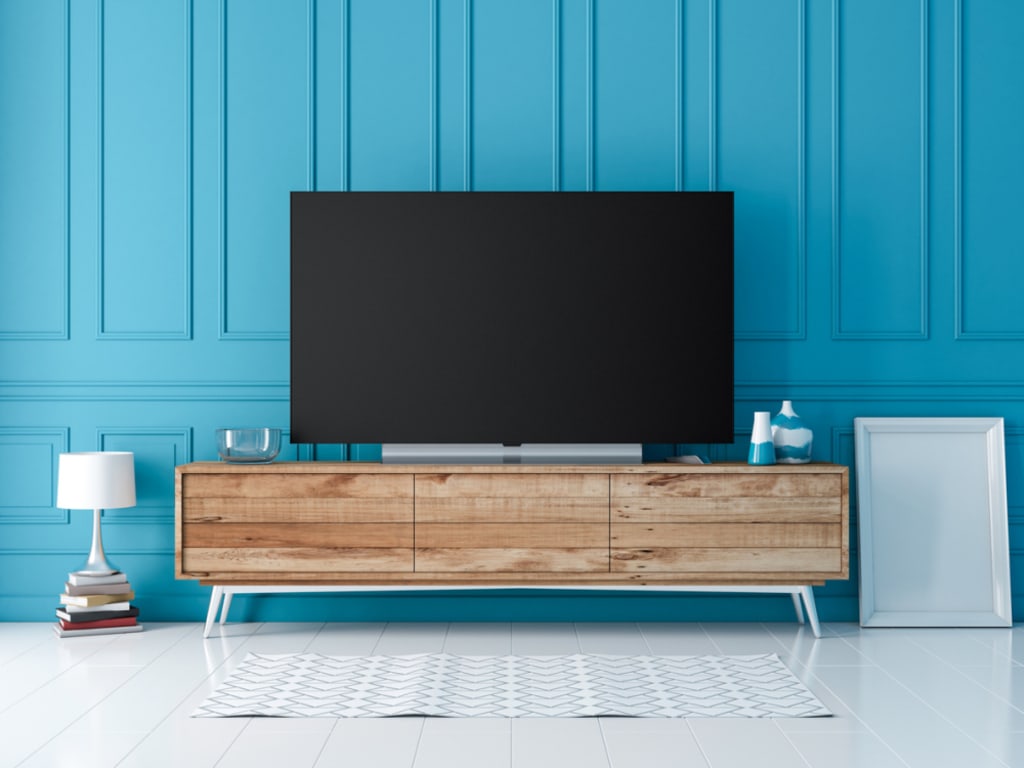
The television is an integral part and essential feature of modern living rooms. With the advancements in electronics and information technology, the design of the TV has shrunk from a bulky box to a sleek and slim wall-mounted unit. Hence, the TV stand or unit designs also witnessed a dramatic transformation. While designing or selecting the best TV stand for the living room, it is essential to consider the functionality and aesthetics.
The type of material, colour, size and storage features of the TV stand will also help to determine the design that is best suited for the rooms. In modern homes, the seating arrangement and the living room’s decor revolve around the TV unit to provide comfortable viewing for the family and guests. By looking at all these factors, you can select the best tv stand for the living room that saves money and suits the decor theme for furniture.
A flat-screen TV begs to showcase because it is the critical focal point and gathering spot in your home. That is why having a good TV stand is so important. If you love movie nights, TV show marathons, or keeping up with your favourite sports team, then a TV stand will be a welcome addition to your living room.
How to choose the best TV stand?
1. Choose a comfortable viewing height for the TV stand.
Craning your neck at awkward angles for hours creates discomfort, so your TV stand should position the screen at eye level. The recommended TV height is about forty-two inches, but the best viewing position depends on the height of your sofa or chairs.
For a customized setup, measure your eye level when seated by making sure the central region of the TV is not far above your sightline. Consider buying or purchasing a TV stand with the mount to adjust the display level when required.
2. You must match The TV size and width.
If you are determined to take home a forty or fifty-inch TV for theatre-quality viewing, think about how much wall or floor space you need to set aside for an extra-wide model. When space allows, you must look for TV consoles that are wider than your display to prevent unnecessary overhang, especially if your TV is positioned in the middle of a room.
A flat-screen TV has a base for weight distribution. If the TV stand is too small, you can risk bumping or toppling your display.
3. You can complement the living room layout.
Working with a small or regularly shaped room does not mean you have to sacrifice the TV of your dreams. Choose a swivel TV stand to find your optimal viewing angle when the available space for your TV does not comfortably line up with your seating.
While a wall-mount TV stand frees up room in front of your seating for easier movement or entertaining. When you mount the TV independently without a stand, a wall console helps add storage capacity to the room.
4. You can choose a style for the TV stand.
TV stands are available in various decorative elements, ranging from staggering shelves to round bases to asymmetrical shapes. Simple geometric lines and open shelving give the minimalist feel of a contemporary space. Mixing styles leads to confused decor, so you can stick with TV consoles that blend well with your current aesthetic.
Select pale neutrals, light grey, or white to make the room appear more bright and spacious. Dark solids and clean lines are at home among the transitional decor. At the same time, richly stained woods, thicker frames, and ornamental details complement the elegance of many traditional rooms.
5. You must pick a suitable material.
You must prepare to find TV stands made from these five common materials, glass, wood, metal, particleboard, and medium-density fibreboard. Wood, metal, and veneered plywood are long-lasting materials. Many glass TV stands are durable and feature metal supports for reinforcement, but if you want to keep them clean and free of cracks.
Medium-density fibreboard and particleboard are low-cost alternatives to wood, so they offer less longevity but are durable enough to stand up to daily use.
6. You have a plan for storage and organization.
To showcase your flat-screen TV than try to keep your TV stand free of clutter and cables. You can shop for the best TV stand with storage space to organize media or magazines. You can also look for units with broad table top space to put accent decor on display.
Large entertainment centres are perfect for arranging multiple electronics in a compact, centralized location. Most TV stands include cut-outs for cord management by helping you conceal cables and keep your family safe from electrical hazards. So, you can choose between drawers, open shelving, and closed cabinets, depending on your style.
Conclusion
You will get all the essential tips to choose the best TV stand for your living room in this short guide. It will help those searching for helpful advice before buying the new TV stand for the living room. For more information and suggestions, place your comments in the comments section below.
About the Creator
H.G. BAVA
We provide complete furniture and hardware solutions for your home. You can also place an order online for the furniture from our online eCommerce store.
The Guardian Geofence: Creating Dynamic Safe Zones for School, Sports, and Travel
The Guardian Geofence: Creating Dynamic Safe Zones Geofencing—creating virtual boundaries that trigger alerts—is one of the most powerful yet underutilized features of modern family safety. Moving beyond a single home alert, you can create a dynamic system of "safe zones" that automatically keeps you informed during daily routines and special trips.
By Olivia Martinez7 days ago in Lifehack
How to Personalize Socks for a Woman's Memorable Birthday Gift
Socks may sound like a simple present. Yet when you personalize them, they can feel warm and thoughtful. They are also easy to ship and easy to size. A pair of socks can match her style and remind her of you each time she wears them.
By Alice Carry7 days ago in Lifehack


Comments
There are no comments for this story
Be the first to respond and start the conversation.