
How to Build a Cheap Homemade Compost Bin
Let's face it; if you're considering making your own compost bin, you obviously want one that will stand out above the crowd.

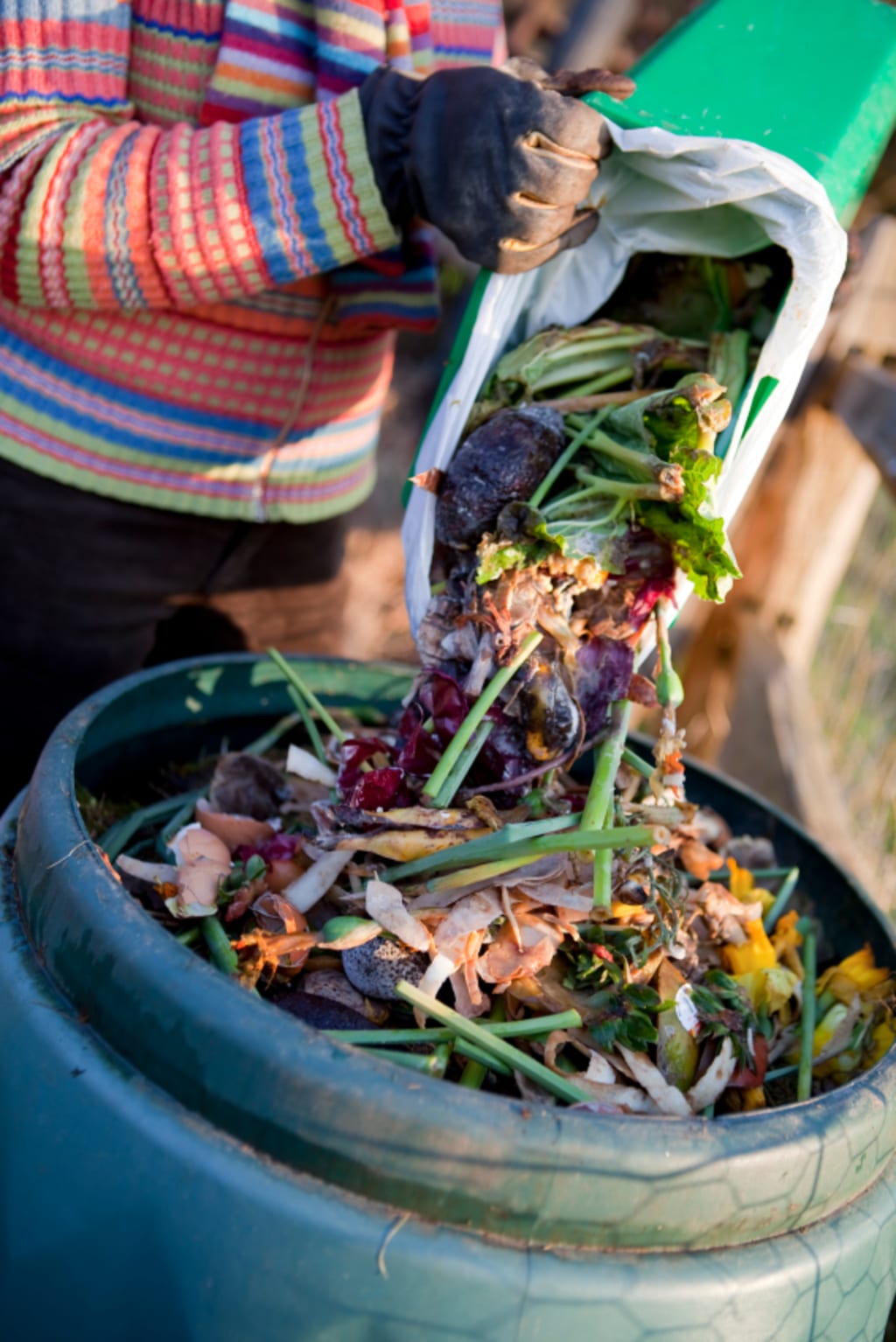
After all, why would you even want to find out how to build a compost bin unless you wanted one which works better than those you can buy, while costing you less money?
Of course, one cannot help but wonder what makes a compost bin superior. Is it the materials you use, is it the size of the bin, is it the location, or does it all depend on what you put into it?
One thing is sure however, you need to keep animals out, while providing the ideal environment for organic material to decompose?
Much depends on how much space you have, and also on what area you live in. Additionally, it depends on what you'll be trying to compost in the first place. To try and make things a little easier, here are some factors which you'll need to consider to build a compost bin.
Intended Usage
The first thing you'll need to consider is whether you intend to compost large or small quantities at a time.
Bear in mind that you'll require far more space if you intend to compost all your garden waste, in addition to leftover vegetable scraps and other organic waste.
If you live in the country, you may already be keeping some chickens, and as such, you may want to compost their bedding and etc. On the other hand, maybe you simply want a way to dispose of organic kitchen waste and the odd bits of paper here and there.
Ideal Size
According to those in the know, the ideal size for a compost bin in terms of efficiency is three feet by three feet.
Available Space
Even though it may seem like common sense, you need to consider the space available.
After all, you don't want a compost bin to dominate your garden, because no matter how well you build a compost bin, they are not the most attractive structures around in terms of landscaping.
Weather and Climate
Weather is something else you need to consider when you decide to build a compost bin.
Materials
As far as materials are concerned, you're literally spoiled for choice, but of course you need to remember that the quality of the material you use will ultimately determine how strong and durable your bin will be.
For example, you can make a compost bin by using snow fencing.
Lastly, but not least, you need to consider your own handiwork capabilities, if you're passionate about building your own compost bin.
Obviously, if you're not good with your hands, then you should ideally opt for building one which is of a simple, straightforward design. On the other hand, if you have the skills, nothing stops you from making an elaborate compost bin capable of lasting many years.
About the Creator
Whitney 'Mattress Mike' Segura
Mattress Mike is the man to see if you want to save money on mattresses all over South Louisiana, sleep like a baby
MattressDoctorLafayette,com. He enjoys writing for his garden blog. AcadianaBusinessListings.com is the latest project.
Keep reading
More stories from Whitney 'Mattress Mike' Segura and writers in Lifehack and other communities.
Best Way How to Make an Indoor Greenhouse Structure
Why Build Small Tiny Portable Greenhouses? However, some do not have the yard space for a greenhouse – even the tiniest of greenhouses. This is where it comes in. You can finally grow all the plants you want.
By Whitney 'Mattress Mike' Segura4 years ago in Earth
Forgotten Packing Items That Make Port A Rentals Guest-Friendly
Stepping into a vacation rental should feel like a home away from home, with a clean space, cozy beds, and, perhaps, a great view to unwind. But sometimes, even the best-planned trips can be disrupted by an unexpected challenge when guests forget to pack a few essentials.
By The Mayan Princessa day ago in Lifehack
Cooking Up Connection: Romantic Recipes to Enjoy as a Couple
Turning your kitchen into a romantic space doesn’t require extravagant effort. Start with lighting—switch off the overhead lights and let candles or warm lamps create a cozy atmosphere. Add soft music that you both enjoy and clear the counters to give yourselves space to move freely. These thoughtful touches can transform even a modest kitchen into a place of intimacy and fun.
By Micah Love-Alloteya day ago in Lifehack



Comments
There are no comments for this story
Be the first to respond and start the conversation.