
How social Media is Rewiring our Brains- and what you can Do About
How social Media is Rewiring our Brains- and what you can Do About

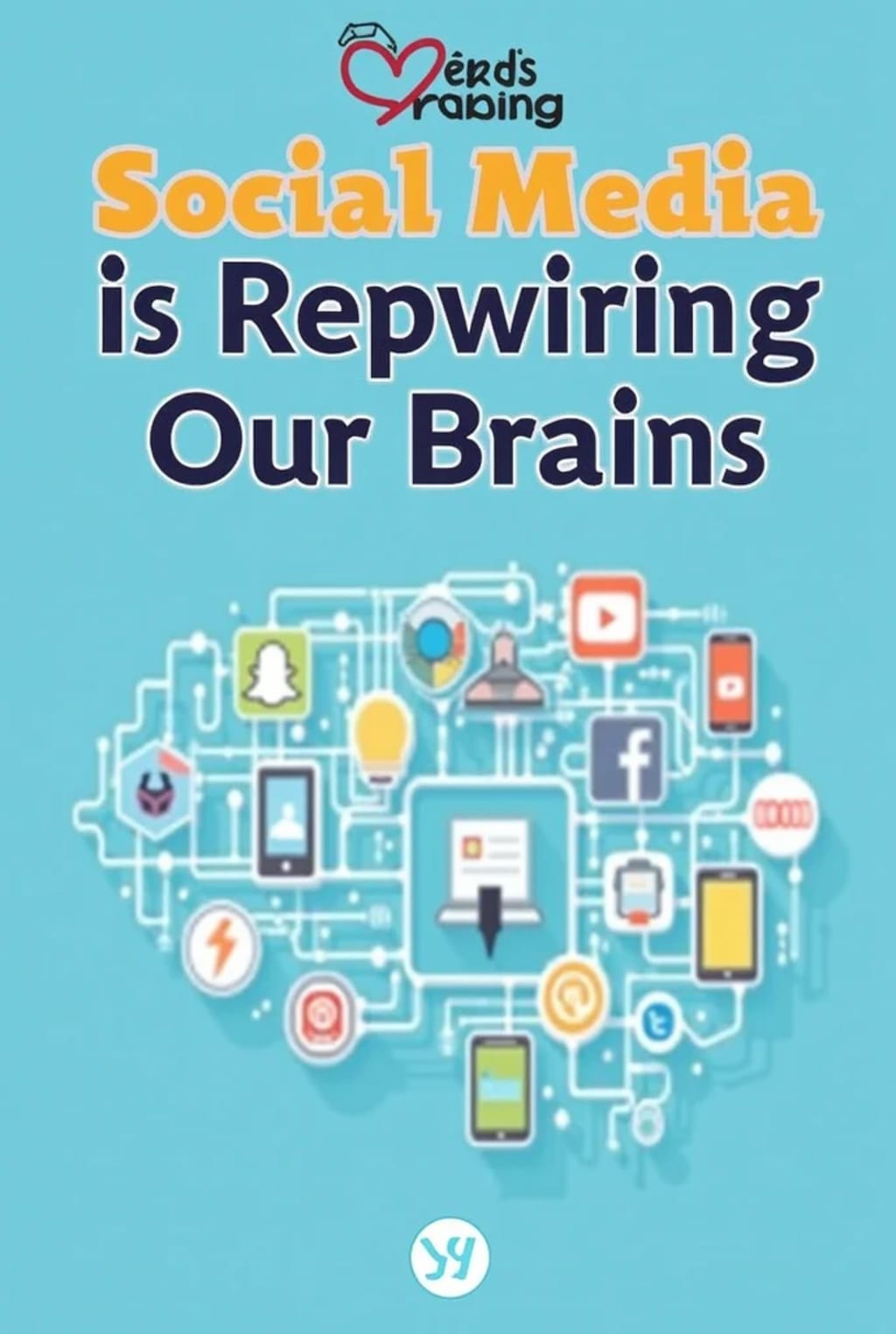
### How Social Media is Rewiring Our Brains – and What You Can Do About It
In a world where scrolling is second nature and notifications never stop, social media has become a central part of our daily lives. But while it connects us to friends, news, and entertainment, it’s also changing the way our brains work — often in ways we don’t realize.
#### The Dopamine Loop: Why We Keep Coming Back
Social media platforms are designed to trigger the brain’s reward system. Every like, comment, or share releases **dopamine**, a chemical associated with pleasure. This creates a **“dopamine loop”**, where our brains crave more engagement to feel good.
Over time, we become addicted to the small bursts of satisfaction that social media offers. Instead of finding joy in real-world interactions or achievements, our brains start to seek validation online. This is especially powerful in teens and young adults, whose brains are still developing and more susceptible to addictive behaviors.
#### Shrinking Attention Spans
One major consequence of heavy social media use is a **decrease in attention span**. Platforms like TikTok, Instagram Reels, and YouTube Shorts train us to expect fast, entertaining content — often in under 60 seconds.
This constant flood of quick, engaging content reduces our brain's ability to **focus deeply** or maintain concentration for extended periods. Reading a long article or watching a full-length documentary feels like a chore compared to the rapid stimulation of scrolling.
#### Comparison and Mental Health
Social media can also **amplify feelings of inadequacy**. When people post highlights of their lives — vacations, achievements, perfect selfies — it can lead others to compare themselves and feel like they’re not doing enough or not good enough.
Studies link high social media use with increased rates of **anxiety, depression, and low self-esteem**, especially among young people. The pressure to present a perfect life online can be emotionally exhausting and damaging over time.
#### Social Skills and Empathy at Risk
Face-to-face conversations involve eye contact, body language, and real-time emotional responses. But digital communication often lacks these cues. As we rely more on text, emojis, and likes to communicate, our ability to **read emotions and show empathy** can suffer.
Research shows that frequent social media users may have **weakened interpersonal skills**, making real-life interactions more challenging and less fulfilling.
---
### What You Can Do About It
The good news? You’re not powerless. Here are some practical steps to protect your mental well-being and brain health:
#### 1. **Set Screen Time Limits**
Use apps or built-in phone features to limit your social media time. Even reducing use by 30 minutes a day can have a positive effect on mood and focus.
#### 2. **Curate Your Feed**
Unfollow accounts that make you feel anxious, jealous, or inadequate. Instead, follow pages that inspire, educate, or bring joy.
#### 3. **Schedule “No Social Media” Time**
Create daily tech-free zones — like during meals, before bed, or the first hour after waking up. Use that time to read, walk, meditate, or engage with others in person.
#### 4. **Practice Mindful Scrolling**
Ask yourself: *Why am I opening this app? What am I looking for?* Being conscious of your habits can help break automatic scrolling.
#### 5. **Reconnect with Real Life**
Spend more time on **offline experiences**: hobbies, outdoor activities, conversations with friends and family. Real-life connections are key to emotional health and brain development.
---
### Final Thoughts
Social media is here to stay, but how we use it matters. Understanding how it affects your brain is the first step in taking back control. With intention and balance, you can enjoy the benefits of social media without letting it rewire your brain in harmful ways.
About the Creator
The Sweet Tradition of Pitha Utshob: Celebrating Bangladesh’s Winter Heritage
As the gentle mist of winter descends upon the landscape of Bangladesh in 2026, a delicious and centuries-old tradition comes to life—the Pitha Utshob. This festival is not just about eating; it is a celebration of the harvest, family bonding, and the rich culinary heritage of the Bengali people. From the bustling streets of Dhaka to the quietest corners of the villages, the aroma of steamed rice and jaggery fills the air, marking the arrival of the most beloved food festival of the country.
By MD. Rahmat Ullah6 days ago in Lifehack
The Consequence of Greed
Snowfall had turned the lush green trees of the forest completely white. It was the heart of winter, and as soon as the snow began to fall, a deep silence spread through the jungle. The animals who had wisely stored food before the cold arrived were now resting comfortably in their homes, eating and drinking without worry. But those who had made no preparations were shivering in the freezing weather, wandering around in search of food.
By Sudais Zakwanabout 8 hours ago in Lifehack
Center Stage with Paul Stewart
*** I'm keen to republish the interviews I did for my series with Vocal creators. It's been a few years and I thought it might be nice to revisit these wonderful conversations. I'll be releasing them one at a time for a few weeks/months.
By Heather Hubler3 days ago in Interview




Comments
There are no comments for this story
Be the first to respond and start the conversation.