
How Organic Farming Enrich The Soil
How Organic Farming Enrich The Soil

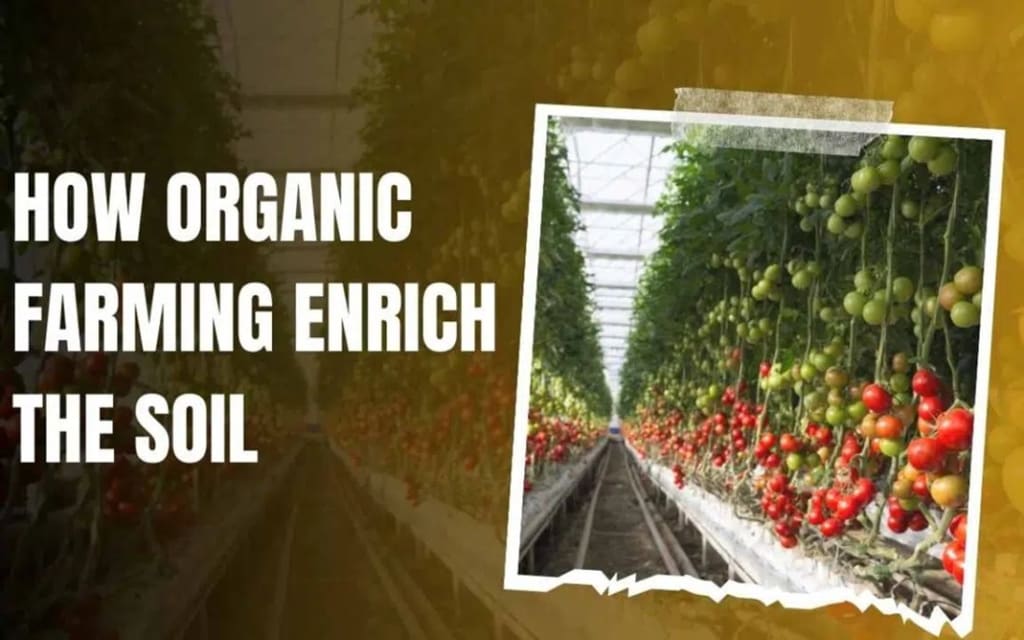
Title: Enhancing Soil Health Through Organic Farming Practices
Introduction:
Organic farming stands as a beacon of sustainable agriculture, prioritizing soil health and ecological balance over chemical-intensive practices. Central to this approach is the recognition that healthy soil is the foundation of successful farming. By eschewing synthetic fertilizers, pesticides, and herbicides, organic farming methods focus on enhancing soil fertility, structure, and biodiversity. In this article, we delve into how organic farming enriches the soil, fostering a symbiotic relationship between agriculture and the environment.
1. Building Soil Structure:
Organic farming employs practices such as crop rotation, cover cropping, and minimal tillage to enhance soil structure. These techniques promote the formation of stable aggregates, which improve soil porosity, water infiltration, and root penetration. By reducing soil compaction and erosion, organic farmers mitigate the loss of valuable topsoil and preserve soil fertility for future generations.
2. Nutrient Cycling:
Organic farming emphasizes the recycling of nutrients within the farming system. Through composting, green manure, and crop residues, organic farmers return organic matter to the soil, enriching it with essential nutrients such as nitrogen, phosphorus, and potassium. This closed-loop approach minimizes the need for external inputs, reducing reliance on synthetic fertilizers and mitigating nutrient runoff into waterways, which can lead to harmful algal blooms and aquatic ecosystem degradation.
3. Microbial Diversity:
Soil is teeming with microbial life crucial for nutrient cycling, disease suppression, and plant health. Organic farming practices nurture this microbial diversity by providing habitat and organic matter for beneficial microorganisms. By avoiding synthetic pesticides and herbicides, organic farmers safeguard the delicate balance of soil microbiota, fostering a resilient soil ecosystem capable of supporting healthy plant growth and suppressing pathogens naturally.
4. Carbon Sequestration:
Organic farming has the potential to act as a powerful tool in the fight against climate change by sequestering carbon in the soil. Through practices such as agroforestry, perennial cropping systems, and conservation tillage, organic farmers enhance carbon storage in the form of soil organic matter. This not only mitigates greenhouse gas emissions but also improves soil structure, water retention, and nutrient availability, contributing to the long-term resilience of agricultural systems in the face of climate variability.
5. Biodiversity Conservation:
Organic farming practices prioritize biodiversity both above and below ground. By promoting diverse crop rotations, intercropping, and hedgerows, organic farmers create habitat for a wide array of plant and animal species. This ecological diversity enhances pollination, pest control, and soil fertility, reducing the need for external inputs and fostering a more resilient and self-regulating agroecosystem.
6. Reduced Environmental Impact:
Unlike conventional farming, which relies heavily on synthetic inputs and often leads to environmental degradation, organic farming minimizes its ecological footprint. By avoiding synthetic pesticides and fertilizers, organic farmers protect water quality, preserve biodiversity, and mitigate soil erosion. Furthermore, organic farming promotes energy efficiency, conservation of natural resources, and resilience to climate change, making it a sustainable choice for the future of agriculture.
Conclusion:
Organic farming offers a holistic approach to soil management, prioritizing soil health, biodiversity, and ecological sustainability. By adopting practices that enhance soil structure, nutrient cycling, microbial diversity, and carbon sequestration, organic farmers nurture resilient agroecosystems capable of sustaining food production while mitigating environmental impacts. As the challenges of climate change, soil degradation, and biodiversity loss loom large, organic farming stands as a beacon of hope, demonstrating that a regenerative approach to agriculture is not only possible but essential for the well-being of people and the planet.
5. Biodiversity Conservation:
Organic farming practices prioritize biodiversity both above and below ground. By promoting diverse crop rotations, intercropping, and hedgerows, organic farmers create habitat for a wide array of plant and animal species. This ecological diversity enhances pollination, pest control, and soil fertility, reducing the need for external inputs and fostering a more resilient and self-regulating agroecosystem.
6. Reduced Environmental Impact:
Unlike conventional farming, which relies heavily on synthetic inputs and often leads to environmental degradation, organic farming minimizes its ecological footprint. By avoiding synthetic pesticides and fertilizers, organic farmers protect water quality, preserve biodiversity, and mitigate soil erosion. Furthermore, organic farming promotes energy efficiency, conservation of natural resources, and resilience to climate change, making it a sustainable choice for the future of agriculture.
Conclusion:
Organic farming offers a holistic approach to soil management, prioritizing soil health, biodiversity, and ecological sustainability. By adopting practices that enhance soil structure, nutrient cycling, microbial diversity, and carbon sequestration, organic farmers nurture resilient agroecosystems capable of sustaining food production while mitigating environmental impacts. As the challenges of climate change, soil degradation, and biodiversity loss loom large, organic farming stands as a beacon of hope, demonstrating that a regenerative approach to agriculture is not only possible but essential for the well-being of people and the planet.
About the Creator
Kavya Organic Garden
Passionate about home gardening, plant care, growth, and maintenance. Join me on this exciting journey of organic practices and sustainable gardening! 🌱
Keep reading
More stories from Kavya Organic Garden and writers in Lifehack and other communities.
14 Gorgeous Perennial Bushes That Bloom All Summer
Title: 14 Stunning Perennial Bushes That Blossom Throughout Summer Introduction: When it comes to creating a vibrant and lively garden, perennial bushes that bloom throughout the summer are indispensable. These plants not only add a splash of color but also offer continuous beauty without the need for frequent replanting. Whether you're a seasoned gardener or a novice enthusiast, incorporating these 14 stunning perennial bushes into your landscape can elevate your outdoor space to new heights of beauty and charm.
By Kavya Organic Garden2 years ago in Lifehack
Lessons Learned in a Wheel Chair, Singing in the Sunshine 🥀
It starts with love. . . and life . . . Motivational Mantra: Living with Disabilities “To think in terms of either pessimism or optimism oversimplifies the truth. The problem is to see reality as it is.” — Thich Nhat Hạnh
By WILD WAYNE : The Dragon King2 days ago in Lifehack



Comments