
How Often Should You Schedule Sewer Repair Service To Keep Your System in Good Shape?
How Often to Fix Your Sewer?

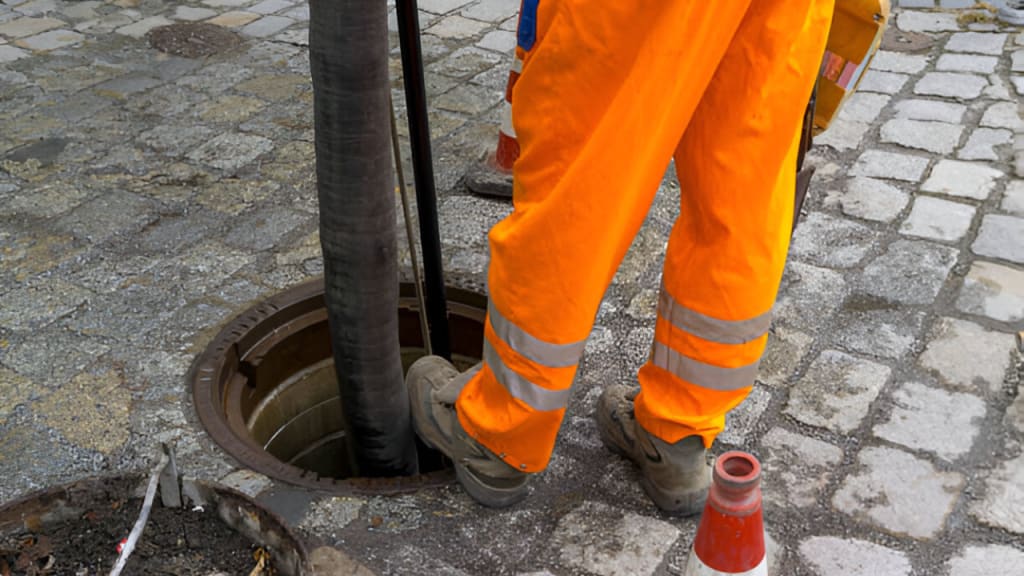
Maintaining a well-functioning sewer system is key to ensuring smooth plumbing in your home. But how often should you schedule sewer repair services to keep everything running smoothly? This article will explore the importance of regular sewer maintenance, how often you should arrange for repairs, and what steps you can take to prevent major issues. By the end, you’ll have a clear idea of how to keep your sewer system in excellent condition.
The Importance of Regular Sewer Maintenance
Why Regular Sewer Checks Are Essential
Your sewer system plays a critical role in handling wastewater from your home. Over time, issues can develop that may lead to significant problems if not addressed. Regular sewer maintenance helps catch and fix minor problems before they turn into major headaches.
Advantages of Routine Sewer Inspections
Routine inspections allow professionals to identify problems early on. This can include issues such as blockages, leaks, or pipe damage. Tackling these problems early can prevent costly repairs and avoid health risks associated with sewer backups.
Consequences of Neglecting Sewer Maintenance
Skipping sewer maintenance can lead to several issues. Blocked or damaged pipes can result in slow drainage, unpleasant smells, and even sewage backups. These problems not only disrupt your daily routine but can also damage your property and pose health risks.
How Often Should You Schedule Sewer Repair Services?
General Guidelines for Sewer Repairs
It's generally recommended to schedule a professional sewer inspection at least once every two years. This frequency helps catch and address minor issues before they become major problems. However, your specific needs may vary based on several factors.
Factors Affecting Repair Frequency
Several factors can influence how often you should schedule sewer repairs:
- Age of Your Sewer System: Older systems might need more frequent inspections.
- Type of Pipes: Different materials, such as clay versus PVC, have varying lifespans.
- Usage Levels: High usage or heavy traffic through your sewer lines can increase the likelihood of issues.
- Tree Roots: Trees near sewer lines can cause blockages, necessitating more frequent inspections.
Signs That You Might Need More Frequent Repairs
- Look out for these signs that your sewer system may need more frequent attention:
- Frequent Clogs: Regular clogs or slow drainage could indicate underlying problems.
- Unpleasant Odors: Persistent sewer smells might signal issues with your pipes.
- Sewage Backup: Backups are a serious issue that requires immediate professional intervention.
What to Expect During a Sewer Inspection
The Inspection Process
During a sewer inspection, a plumber will use specialized equipment to examine your sewer lines. This usually involves inserting a camera into the pipes to get a clear view of their condition. The plumber will check for blockages, cracks, or other issues.
Benefits of Professional Inspections
Professional inspections offer a thorough assessment of your sewer system. They can uncover issues that aren’t visible to the naked eye and provide solutions to address them. This proactive approach helps maintain your system and prevent expensive repairs down the line.
What Happens After the Inspection
After the inspection, the plumber will provide a detailed report of their findings. They will recommend any necessary repairs or maintenance. Following these recommendations can help you address issues before they escalate.
Tips for Preventing Sewer Problems
Routine Maintenance Tips
In addition to regular inspections, there are several steps you can take to prevent sewer issues:
- Avoid Flushing Non-Flushable Items: Items like wipes, grease, and large food scraps can cause blockages.
- Use a Drain Strainer: A strainer can catch debris before it enters your sewer lines.
- Manage Tree Roots: Regularly trim trees and shrubs near sewer lines to prevent root intrusion.
Benefits of Professional Maintenance Services
Regular professional maintenance can keep your sewer system in good shape. Services like cleaning, hydro-jetting, and root removal can tackle common problems and extend the lifespan of your sewer system.
When to Call a Professional
If you notice signs of sewer problems or if it has been a while since your last inspection, it’s time to reach out to a professional plumber. Early intervention can help prevent minor issues from becoming major problems.
Choosing the Right Sewer Repair Service
What to Look For
When choosing a sewer repair service, consider these qualities:
- Experience and Expertise: Find a plumber with extensive experience in sewer repairs.
- Licensing and Certification: Ensure the plumber is properly licensed and certified for sewer work.
- Customer Reviews: Look at reviews and testimonials to gauge the satisfaction of previous clients.
Questions to Ask Your Plumber
Before hiring a sewer repair service, ask the following questions:
- What is the estimated cost of the repair?
- How long will the repair take?
- Do you offer a warranty on your work?
- Can you provide references from past clients?
Conclusion
Regular sewer maintenance is crucial for keeping your plumbing system in good condition. Scheduling inspections every two years and addressing issues promptly can help you avoid costly repairs and maintain a healthy sewer system. Be attentive to signs of sewer problems and choose a reliable repair service to ensure your system remains in excellent shape.
By following these guidelines, you can keep your sewer system running smoothly and avoid unexpected issues. If you have concerns about your sewer system, don’t hesitate to contact a professional plumber for help.
About the Creator
OP Plumbing Hub
OP Plumbing Hub in Overland Park cleans drains, maintains sewers, and offers emergency plumbing services. We use the latest tools, provide free estimates, and ensure homeowners receive reliable, quality service they can trust.
Keep reading
More stories from OP Plumbing Hub and writers in Lifehack and other communities.
How To Pick The Best Sewer Cleaning Service For What You Need?
When dealing with sewer issues, finding the right service can make all the difference. Whether you're facing a minor clog or a major sewer backup, selecting a reliable sewer cleaning service is crucial. Here’s a guide to help you choose the best sewer cleaning service for your needs, brought to you by OP Plumbing Hub.
By OP Plumbing Hub2 years ago in Lifehack
The Surprising Way Positive Thinking Can Change Your Life
Let me tell you the story of how I almost didn't win a car. Yup. You've heard it right. A car. But we almost didn't enter the raffles, thinking "Well, out of the thousands that applied, it's impossible to win".
By Anie the Candid Writer Abroad7 days ago in Lifehack
One Unchecked Box
"Republished" because it was the only way to add the embed for the newly recorded audio version of this story due to the Top Story badge. Plus it serves as a nice, informal announcement of the podcast's revival for another season (go subscribe!):
By Stephen A. Roddewiga day ago in Fiction


Comments
There are no comments for this story
Be the first to respond and start the conversation.