
How My Love for the Wilderness Taught Me to Protect It
How My Love for the Wilderness Taught Me to Protect It

Introduction: A Night Under the Stars
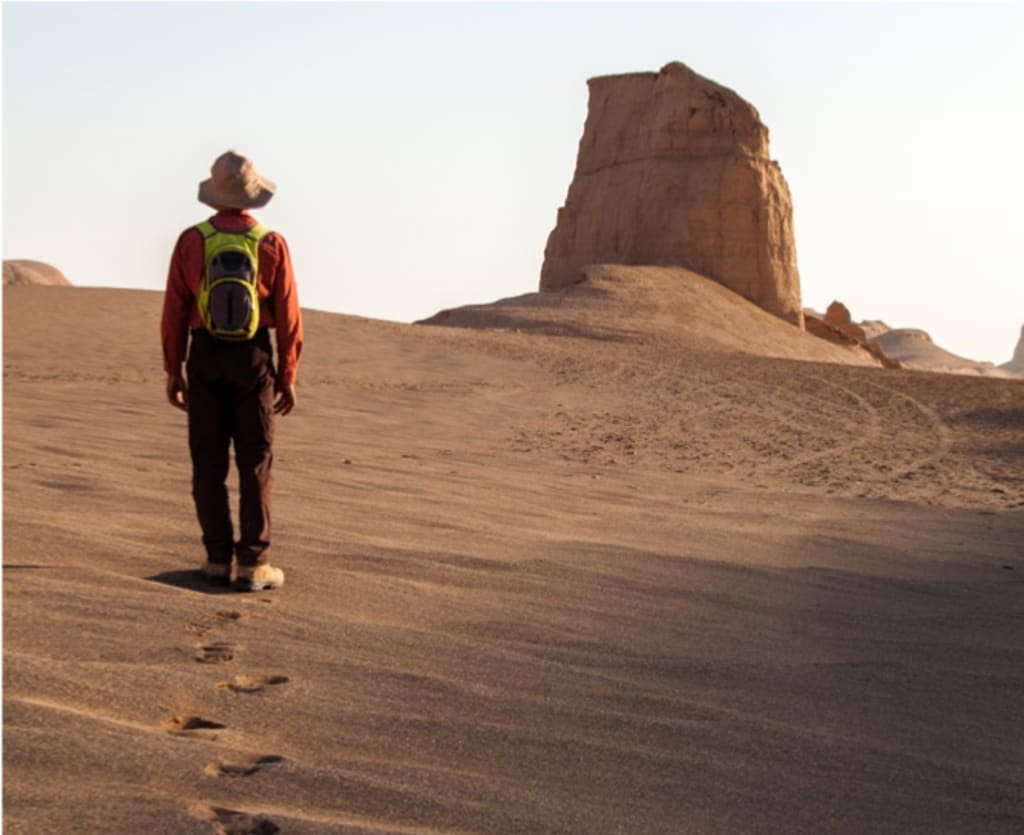
The first time I camped in a remote mountain valley, I was struck by the silence. Not the absence of sound, but the kind of quiet that hums with life—the rustle of pine needles, the distant call of an owl, the crackle of a campfire. It felt sacred. But as I packed up my gear the next morning, I noticed something jarring: a candy wrapper lodged between rocks, a forgotten plastic bottle cap glinting in the sun. It wasn’t mine, but it haunted me. How could we claim to love the wild while leaving traces of harm?
That moment sparked a years-long journey to camp, hike, and explore without costing the Earth. Along the way, I learned that sustainable camping tips aren’t about perfection—they’re about mindful choices that honor the places we cherish.
The Paradox of Loving Nature to Death
Outdoor recreation is booming. Social media feeds brim with alpine sunrises and backcountry escapades, inspiring millions to seek adventure. But this surge has a dark side: trails eroded by overcrowding, microplastics in mountain streams, and trash piles in once-pristine campsites.
We’re at a crossroads. The very act of pursuing awe in nature risks destroying it. But what if our adventures could heal instead? What if we rewrote the narrative from “consuming” the outdoors to becoming its stewards?
Lessons From a Zero-Waste Backpacking Experiment
A few summers ago, I challenged myself to a zero-waste camping guide experiment. Spoiler: I failed. But the failures taught me more than any success.
The Good:
- Reusables Reign: A silicone food pouch replaced dozens of single-use wrappers. A collapsible coffee cup eliminated disposable pods.
- Meal Planning Magic: Pre-portioned oats, dehydrated veggies, and homemade trail mix cut food waste to near zero.
- Trash as a Teacher: Forced to carry every scrap out, I became hyper-aware of what I packed in.
The Messy:
- Biodegradable ≠ “Throw It in the Woods”: My “eco-friendly” soap? Turns out, even biodegradable products harm streams if used improperly.
- The Cheese Incident: A wax-wrapped cheese block melted into my sleeping bag. Lesson: Nature doesn’t care about your Instagram-worthy charcuterie board.
Sustainability Beyond the Trail
What surprised me most was how camping reshaped my daily habits. Avoiding waste in the wild made me question my choices at home:
- The Grocery Store: Why buy plastic-clad veggies when reusable produce bags work?
- The Coffee Shop: That “convenient” to-go cup? It outlives your caffeine buzz by 500 years.
- The Bigger Picture: Individual actions matter, but systemic change is vital. Supporting brands that prioritize sustainability (like Patagonia or REI’s recycled gear lines) amplifies impact.
5 Unconventional Tips for Eco-Conscious Adventurers
- Embrace the “Ugly” Campsite
Skip the Instagram hotspots. Overlooked trails reduce crowding and let fragile ecosystems recover.
2. Turn Trash into Art
Stash a small bag for litter you find on the trail. Later, use it to create a “trash collage” or journal entry—a visceral reminder of your impact.
3.Campfire Stories, Not Campfire Waste
Burn only local, untreated wood. Better yet, opt for a portable stove to avoid invasive species and air pollution.
4.Wear Your Values
Choose eco-friendly outdoor gear made from recycled materials. My favorite find? A rain jacket spun from reclaimed ocean plastic.
5.Leave It Better Than You Found It
Pack out trash, yes—but also consider a “leave a legacy” act: plant native seeds, dismantle illegal fire rings, or volunteer with trail restoration groups.
The Ripple Effect: Why Your Choices Matter
In the Arctic, glaciers melt faster than ever. In rainforests, chainsaws roar. It’s easy to feel powerless. But every time we choose reusables over disposables, or repair gear instead of replacing it, we cast a vote for the future.
I once met a climber in Yosemite who carried a tiny glass jar for spent matches. “It’s not much,” she said, “but it’s my promise to this place.” That jar symbolizes a truth: stewardship isn’t grand gestures—it’s a thousand small acts of respect.
Conclusion: Adventure as a Love Language
The wilderness doesn’t need us. We need it—for solace, for joy, for the quiet reminder that we’re part of something vast and ancient. Protecting it isn’t a burden; it’s a privilege.
About the Creator
Building Influence in a Remote Team
In traditional office environments, influence often developed naturally through proximity. People who spoke confidently in meetings, participated in hallway discussions, or regularly interacted with leadership often gained recognition and influence simply because they were visible.
By Bahati Mulishi2 days ago in Lifehack
How to Hire a Quality Painting Team in Sydney Without the Job Dragging On
A repaint is meant to be a tidy upgrade: cleaner lines, brighter rooms, a place that feels looked-after again. Yet plenty of paint projects in Sydney turn into a slow-motion inconvenience—rooms half usable, dates sliding, and that lingering sense the finish isn’t quite right.
By Evelyn Heard5 days ago in Lifehack
Becca
"Everything is so... flat." Denille said stupidly as she looked around her new neighborhood. She looked around at the muted desert where even the smallest sign of life seemed to have given up. The plant life was shrubs that were half cooked by the heat and where there should have been a lawn, a mess of white rocks laid glistening in the sun. Even the sky looked stretched thin, like the sun had ironed it smooth. She’d moved from Riverside, where at least there were hills, but here in Barstow, everything felt baked and brittle.
By Sara Wilson8 days ago in Fiction




Comments (1)
I love wilderness and protection! Great work! Good job!