
How Indian Turmeric Meets International Standards for Health and Purity
Turmeric Finger & Powder

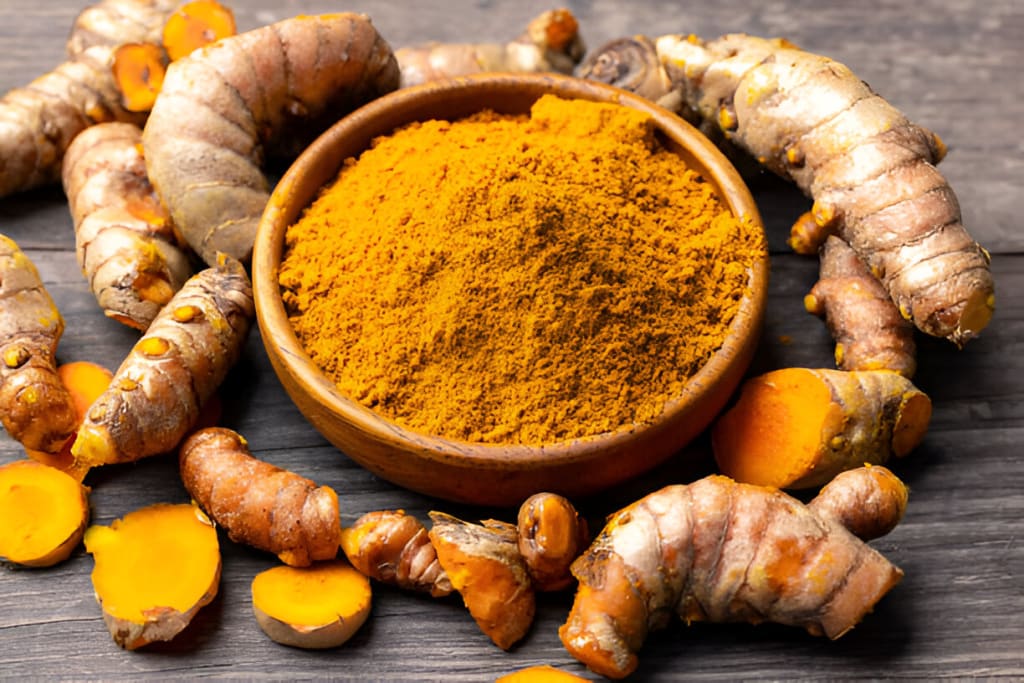
Turmeric, known as the golden spice of India, is more than just a kitchen staple. It’s a global health ingredient. Over the years, the world has embraced turmeric for its anti-inflammatory, antioxidant, and healing properties. But when turmeric crosses borders, it has to do more than just be healthy — it has to meet strict international standards for purity, safety, and quality.
So how does Indian turmeric — grown on traditional farms across states like Andhra Pradesh, Tamil Nadu, Maharashtra, and Odisha — meet the expectations of international buyers?
Let’s break it down.
1. Rigorous Testing for Purity
One of the key concerns in the global spice trade is contamination. Turmeric, like other spices, can be exposed to pesticides, heavy metals, or adulterants during cultivation or processing. For international markets, especially in the U.S., Europe, and Japan, that’s a deal-breaker.
To address this, Indian turmeric goes through several layers of testing before it’s cleared for export:
- Pesticide Residue Analysis: Labs test for traces of chemicals to ensure levels are below international safety limits.
- Heavy Metal Testing: Turmeric is checked for lead, arsenic, cadmium, and mercury — common culprits in soil contamination.
- Microbiological Tests: These include checks for bacteria like Salmonella and E. coli, which are unacceptable in food products overseas.
- Adulteration Checks: This ensures turmeric is not mixed with colorants like lead chromate or starch fillers.
These tests are done both by private labs and government-accredited agencies like Spices Board of India, FSSAI, and APEDA.
2. Adoption of Good Agricultural Practices (GAP)
To meet global demand, Indian farmers are shifting to Good Agricultural Practices. This includes:
- Using certified seeds.
- Avoiding harmful pesticides.
- Maintaining proper hygiene during harvesting and drying.
- Using clean, food-grade materials for storage and packaging.
Farmers are being trained and supported through various government programs to grow turmeric that’s not just high in curcumin (the main active compound), but also clean and export-ready.
This kind of effort is key for turmeric exporters in India who want to guarantee consistent quality and secure repeat buyers abroad.
3. Steam Sterilization and Clean Processing
Once turmeric is harvested and dried, it needs to be cleaned and processed. For global markets, this involves steam sterilization — a chemical-free way to kill microbes and extend shelf life.
Turmeric powder and fingers are also cleaned using advanced machinery to remove dust, debris, or damaged parts. This ensures that only the purest turmeric makes it into the final packaging.
Many turmeric exporters in India invest in HACCP- and ISO-certified facilities to meet food safety requirements abroad. This gives importers confidence that the spice was handled hygienically from start to finish.
4. Standardized Curcumin Levels
Curcumin is the star ingredient in turmeric. It’s what gives turmeric its rich yellow color and many of its health benefits.
Different countries and buyers often require turmeric to have a certain minimum curcumin content. For example:
- Common turmeric powder may have 2–3% curcumin.
- Premium turmeric for supplements may require 5–7% or more.
Indian exporters meet these demands by grading turmeric based on curcumin levels. In fact, varieties like “Lakadong” from Meghalaya are prized for their naturally high curcumin content, often above 7%.
By offering clearly labeled and standardized products, Indian exporters help global customers know exactly what they’re getting.
5. Certifications for Trust
International buyers look for certification. Indian turmeric exporters understand this and often provide documentation that proves:
- Organic Certification – for customers who want chemical-free farming.
- USDA, EU, and JAS Organic Compliance – depending on export destination.
- Non-GMO, Gluten-Free, or Vegan Claims – to meet niche consumer needs.
- Fair Trade Certification – for ethical sourcing.
These labels aren’t just stamps — they’re proof that Indian turmeric can compete globally, not just on price, but on quality and ethics too.
6. Support from Government Bodies
India’s spice export ecosystem is well-supported. Bodies like the Spices Board of India offer testing, R&D, and training to help farmers and exporters stay on track with changing international rules.
Additionally, APEDA (Agricultural and Processed Food Products Export Development Authority) provides guidance on packaging, labeling, and traceability.
This helps ensure that turmeric from India not only meets but often exceeds the expectations of foreign markets.
Final Thoughts
Turmeric may be rooted in Indian soil, but its reach is global. Thanks to improvements in farming, processing, and testing, Indian turmeric is earning a reputation for health, purity, and reliability. Whether it’s used in a latte, supplement, or skincare product, global consumers can trust the quality behind that vibrant yellow powder.
Behind this success is a growing network of skilled farmers and forward-thinking turmeric exporters in India who understand what global buyers want — and know how to deliver it.
So the next time you see “Product of India” on a turmeric label, know that a lot of effort went into making sure that product is clean, pure, and good for you — just the way the world wants it.
About the Creator
White Feather Export
We are a leading exporter of agricultural products from India, offering a wide range of high-quality spices, vegetables, fruits, and herbs for global markets.
Keep reading
More stories from White Feather Export and writers in Lifehack and other communities.
How to Identify Premium Quality Spices Before You Import from India
India is one of the world’s largest producers and exporters of spices. From turmeric and cardamom to black pepper and cumin, Indian spices are known for their bold flavor, rich aroma, and deep color. But if you’re planning to import spices from India, how can you be sure you’re getting premium quality and not second-grade stock? Whether you're a wholesaler, food manufacturer, or a specialty retailer, here’s what you need to know to avoid costly mistakes and ensure you're working with the right spices exporter from India.
By White Feather Export10 months ago in Lifehack
I Lost Them While They Were Still Alive
They didn't die on my hands. I lost them to silence. There was no funeral, no final farewell, and no significant occurrence to signal to me that this was the end. Days turned into weeks, weeks turned into months, and conversations became memories that I thought I could revisit at any time. I was swamped. Busy chasing stability. occupied with trying to get "better." Busy convincing myself that there would always be time later.
By Noor Ul wahab4 days ago in Lifehack
“I Forgot How to Be Bored (And It Was Ruining My Focus)”
Let’s be real—my phone was low-key ruining my life. I’m gonna be 100% honest: it got pretty embarrassing. I reached a point where I couldn’t even wait for the coffee to brew without my hand "magically" grabbing my phone. It wasn’t even a choice anymore; it was just this mindless, zombie-like reflex. I’d spend an hour scrolling through absolute junk and then realize I didn't remember a single thing I saw. My focus? Completely trashed.
By Demiana Louis Boshra7 days ago in Lifehack


Comments
There are no comments for this story
Be the first to respond and start the conversation.