
How Fast Does Mold Really Grow? Myths That Let It Thrive in Your Home
or What Drives Mold Growth?

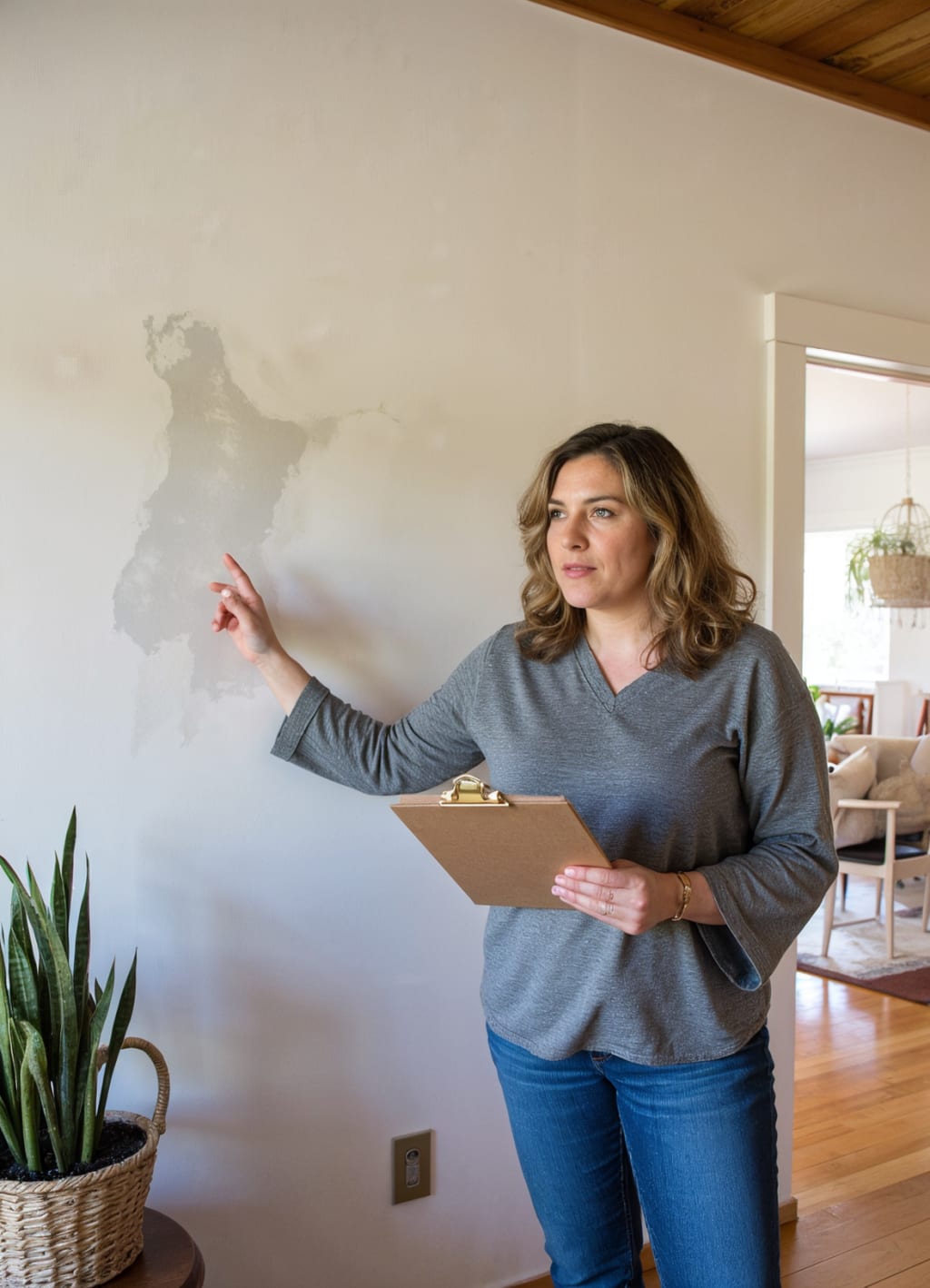
I’ve seen how people underestimate how fast mold can spread. By the time they notice the musty smell or dark spots on the ceiling, the problem has already taken hold. The worst part is that mold myths keep making things worse.
These misconceptions don’t just delay action - they allow mold to spread by making people overlook the conditions that cause it.
For example, many believe mold only grows in damp, visible areas, leading them to ignore hidden hotspots like behind walls, under carpets, or in attic spaces. By the time the damage is obvious, mold has already expanded.
These myths create a false sense of security, giving mold time to turn a small issue into a widespread infestation before anyone realizes what’s happening.
Why Mold Myths Exist - And Why Acting Fast Matters
There’s a lot of misinformation about mold. Some believe it’s only a problem if it’s visible or that bleach can completely remove it. Others think only older or dirty homes are affected.
The truth is that mold doesn’t care how new or clean a home is. It can start growing in as little as 24 to 48 hours after moisture exposure. Once it gets into porous materials like drywall or wood, surface cleaning won’t eliminate it. Mold spreads through the air, affecting both home structure and health.
Acting early is always easier and less expensive than waiting for mold to take over. Dispelling these myths isn’t just about knowledge—it’s about protecting your home, air quality, and health.
Myths vs. Facts About Mold Growth
Misinformation makes it easy for mold to spread. Here are some of the biggest myths and the facts that set them straight.
Myth: Mold is only a problem in older homes
Fact: New homes aren’t immune to mold. Modern construction often seals homes tightly, trapping moisture and creating ideal mold conditions, especially if ventilation is poor.
Myth: Outdoor mold doesn’t affect indoor air quality
Fact: Mold spores enter through windows, doors, vents, and even clothing. Once inside, they can settle and grow in hidden areas.
Myth: Mold in one room won’t spread to other areas
Fact: Mold spores travel through the air, meaning mold in one area puts the entire home at risk.
Myth: Carpet mold is easy to spot and clean
Fact: Carpet mold is often hidden underneath, making it difficult to detect. Surface cleaning may not be enough, and professional assessment may be necessary.
Myth: Air conditioners prevent mold by reducing humidity
Fact: While AC units help with humidity control, a neglected system can become a breeding ground for mold and circulate spores throughout a home. Regular maintenance is essential.
Myth: Mold can’t grow on concrete and tiles
Fact: Mold can grow on any surface where moisture lingers, including concrete and tile. No material is mold-proof if the conditions are right.
Myth: Garages are too open to have mold problems
Fact: Garages can develop mold due to poor ventilation, damp stored items, and fluctuating humidity levels.
Myth: Mold only grows in basements and bathrooms
Fact: While these areas are common mold hotspots, mold can thrive anywhere with enough moisture, including kitchens, attics, and living spaces.
Myth: You can ignore mold in unused spaces like basements
Fact: Mold spores spread through air circulation, affecting indoor air quality. Ignoring mold in an unused space allows it to spread and makes removal more difficult.
Myth: Attic mold isn’t a serious issue
Fact: Mold in attics can damage roof structures and impact indoor air quality just like mold in any other part of the home. Left untreated, it can spread downward into living spaces.
Conclusion: Stop the Myths, Stop the Mold
The biggest mistake is waiting until mold becomes obvious. By the time musty odors, mold stains, or health issues appear, the problem has already grown. Once mold embeds itself in porous materials, DIY cleaning isn’t enough.
Mold grows fast, but it can be stopped with early action. The sooner it’s addressed, the easier and less expensive it is to control. Acting quickly protects both home and health.
If there’s any sign of mold, professional mold removal is the best way to prevent further damage and maintain good indoor air quality. Stopping mold early is always the safest choice.
About the Creator
Lawrence G. Mitchell
Lawrence G. Mitchell is skilled mold remediation technician dedicated to ensuring safe, mold-free homes with expert solutions and top-quality service.
Keep reading
More stories from Lawrence G. Mitchell and writers in Lifehack and other communities.


Comments
There are no comments for this story
Be the first to respond and start the conversation.