
How Do You Keep Windows Clear and Smudge-Free Year Round?
Learn reliable methods, tools, habits, and seasonal strategies that help keep residential windows spotless throughout the year, including expert tips to prevent smudges and streaks.

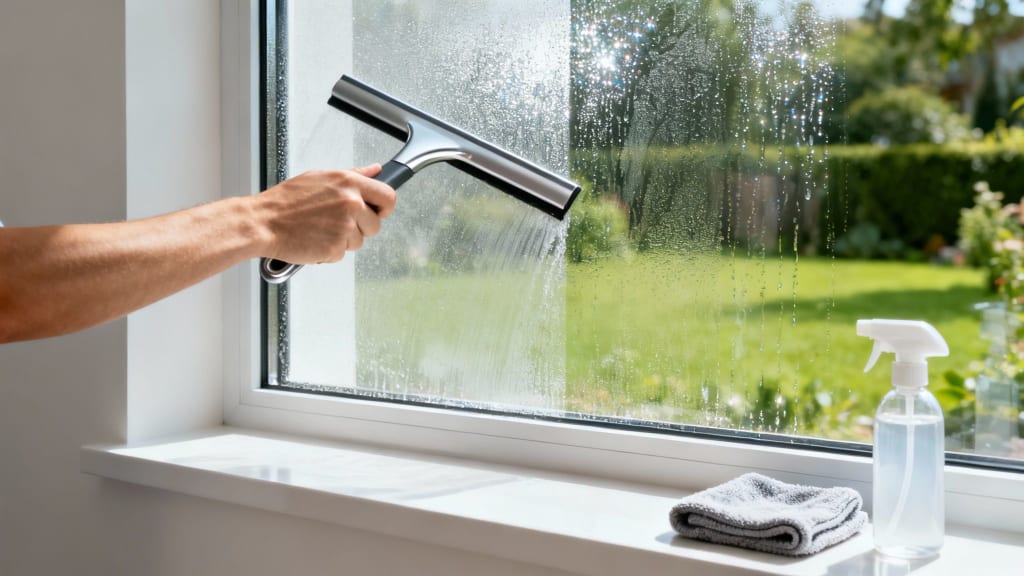
Clean, streak-free windows contribute to a brighter home and a polished appearance, and achieving this level of clarity requires thoughtful care and consistent maintenance. Many homeowners choose professional window cleaning services, while others rely on simple practices that help preserve spotless glass day after day. This opening section sets the foundation for exploring methods that maintain long-lasting clarity and reduce the chances of smudges throughout the year.
Understanding What Causes Smudges and Streaks
Many marks on windows originate from common household activity, outside environmental factors, and incorrect cleaning techniques. Dust settles on glass and quickly mixes with moisture from hands or cleaning solutions, leaving visible streaks. Fingerprints appear from frequent contact with sliding doors or decorative windows. Rainwater often contains contaminants and minerals that dry on the glass, creating cloudy patches. Airborne particles such as pollen, smoke, and construction residue contribute to hazy buildup, especially during dry seasons. Using harsh chemicals, dirty cloths, or wiping in inconsistent motions leads to additional smudging. Recognizing where these marks come from helps homeowners understand why maintenance must be consistent and methodical.
Tools That Support Smudge-Free Windows All Year
The right tools create the foundation for streak-free results and long-term clarity.
Bullet Points:
- Microfiber cloths for lint-free wiping
- Professional-grade squeegees with sharp blades
- Distilled water for mineral-free cleaning
- Soft scrub pads for gentle spot removal
- Extension poles for high or hard-to-reach windows
Daily and Weekly Habits That Maintain Window Clarity
Small routines play a major role in keeping windows spotless between deeper cleanings. A light dusting of window frames and sills prevents debris from blowing onto the glass. Quick fingertip smudges can be removed with a small microfiber cloth kept within reach. Children and pets often touch lower panes, so giving those areas more frequent attention helps prevent buildup. Curtains and blinds collect dust that transfers onto glass whenever they shift, so cleaning these accessories supports a clearer appearance. A short weekly inspection helps spot minor streaks before they turn into more visible marks.
Seasonal Cleaning Strategies for Better Results
Each season affects window clarity in different ways, and adapting the cleaning approach ensures more consistent results. Spring introduces pollen, insects, and airborne seeds that cling to exterior glass, requiring more frequent rinsing and wiping. Summer heat speeds up drying time, causing cleaning solutions to evaporate quickly, so working in shaded areas prevents streaks. Autumn brings falling leaves, dust, and windblown debris that settle against exterior windows. Winter produces interior condensation, especially in tightly sealed homes, leading to moisture streaks and mineral trails. Taking seasonal elements into account helps maintain clarity throughout the year without increasing the overall effort.
Cleaning Solutions That Reduce Streaking Risks
Reliable cleaning solutions determine how easily smudges can be removed and how clear the windows remain after drying. Mild soap mixtures are gentle on most glass types and effectively lift dirt without leaving residue. Vinegar blends work well against mineral deposits while offering a natural option for routine maintenance. Ammonia-free products protect tinted or coated windows by avoiding harsh chemical reactions. Commercial streak-free formulas provide consistent results for homeowners who prefer a ready-to-use option. Choosing the right solution depends on the type of glass, environmental conditions, and the frequency of cleaning.
Common Mistakes That Lead to Smudges
These common errors often interfere with the goal of achieving spotless glass.
Bullet Points:
- Using dirty or worn-out clothes
- Cleaning glass during strong sunlight
- Rushing the drying process
- Skipping the edges of the window
- Using tap water with mineral content
How Professional Cleaners Maintain Window Quality Year-Round
Experienced cleaning professionals follow proven techniques that produce clear and consistent results. Pure water systems remove minerals and impurities that cause streaks, allowing windows to dry cleanly without residue. A structured cleaning schedule throughout the year ensures no buildup accumulates over time. Professional-grade squeegees glide smoothly, removing solution evenly across the entire surface. Specialists pay close attention to edges, corners, and framing areas, preventing streaks that commonly appear when the edges are overlooked. Their methods combine the right tools, experience, and precision to deliver long-lasting clarity for residential and commercial properties.
Tips for Protecting Windows Between Deep Cleanings
Keeping nearby surfaces dust-free prevents particles from transferring onto the glass. Reducing contact with windows keeps fingerprints to a minimum, especially around sliding doors or decorative features. Exterior overhangs and screens shield windows from rain, leaves, and windblown debris, reducing the need for constant cleaning. Managing indoor humidity helps prevent condensation, especially during cold seasons. Soft drapes or blinds positioned properly minimize accidental touches, and careful use of household sprays near windows prevents residue buildup.
Why Consistency Matters for Long-Term Window Clarity
Ongoing care ensures that dirt, moisture, and fingerprints never gain the chance to accumulate. Regular wiping keeps the surface smooth and easier to clean during deeper sessions. Consistent maintenance reduces the need for harsh chemicals or excessive scrubbing, which helps protect the longevity of the glass. Clear windows add brightness to interior spaces and support curb appeal, so maintaining them steadily throughout the year brings both visual and practical benefits. Consistency stands as the essential element that ties together all tools, habits, and strategies for smudge-free windows year-round.
Conclusion
Clear windows depend on thoughtful cleaning methods, reliable tools, appropriate solutions, and consistent upkeep. Understanding the causes of smudges, avoiding common mistakes, and applying seasonal strategies contribute to year-round clarity. Professional insights help guide homeowners toward techniques that maintain spotless glass with minimal effort. A steady routine ensures windows remain bright, clean, and free of streaks throughout the year.
FAQs
How often should residential windows be cleaned for the best clarity?
Most homes benefit from a light cleaning every one to two weeks and a deeper cleaning every few months. Seasonal factors may require more frequent attention, especially during pollen-heavy or rainy periods.
What is the best type of cloth for preventing smudges on glass?
Microfiber cloths work best because they trap dust, remove fingerprints, and leave no lint behind. They can be washed and reused many times without losing effectiveness.
Do commercial glass cleaners work better than homemade solutions?
Both can deliver excellent results. Commercial cleaners offer convenience and consistent performance, while homemade vinegar or mild soap solutions provide a cost-effective option that reduces residue.
Why do windows streak even after careful cleaning?
Streaks usually appear from dirty cloths, strong sunlight drying solution too quickly, mineral-heavy tap water, or incomplete wiping. Using distilled water and high-quality tools greatly reduces streaking.
About the Creator
smithjohn
Hey, I’m Smit John, a blogger who loves sharing ideas on different topics. Writing is my thing, and I aim to keep my content informative, engaging, and worth your time. Stay tuned for more!
Why Cold Exposure Is Gaining Popularity
From elite athletes to busy professionals, more people are stepping into tubs filled with icy water—and loving it. Ice baths, also known as cold plunges, have surged in popularity over the past decade. What was once a recovery tool reserved for professional sports teams is now a mainstream wellness practice.
By AnthonyBTV5 days ago in Lifehack
Moving a Piano in Chattanooga: What I Learned About Trust, Craft, and Care
The first time I watched a piano being moved, I expected noise, effort, and heavy lifting. What I didn’t expect was silence — careful, focused silence. Every movement was deliberate. Every step felt measured. It quickly became clear that moving a piano is not simply about strength. It is about responsibility.
By House Doctor5 days ago in Lifehack
Belle of the Bayou
Bad move, cher. Not just the slip of her kitten heel on the rainy February cobblestones in the Fourth Ward. She got caught snooping. Detective Deleon clucked and strutted like a rooster in his rush to clear her from the scene, waving cigar smoke to and fro as he gesticulated amid the thick air of the speak easy. An experienced crime reporter, Marie knew better than to let the coppers catch her on the wrong side of the line, but curiosity had gotten the better of her.
By Maia Gadwall the metAlchemist6 days ago in Fiction



Comments
There are no comments for this story
Be the first to respond and start the conversation.