
How Do Smart Contracts Enhance Real Estate Tokenization?
Discover how smart contracts enhance real estate tokenization by automating transactions, ensuring transparency, and enabling secure investments.

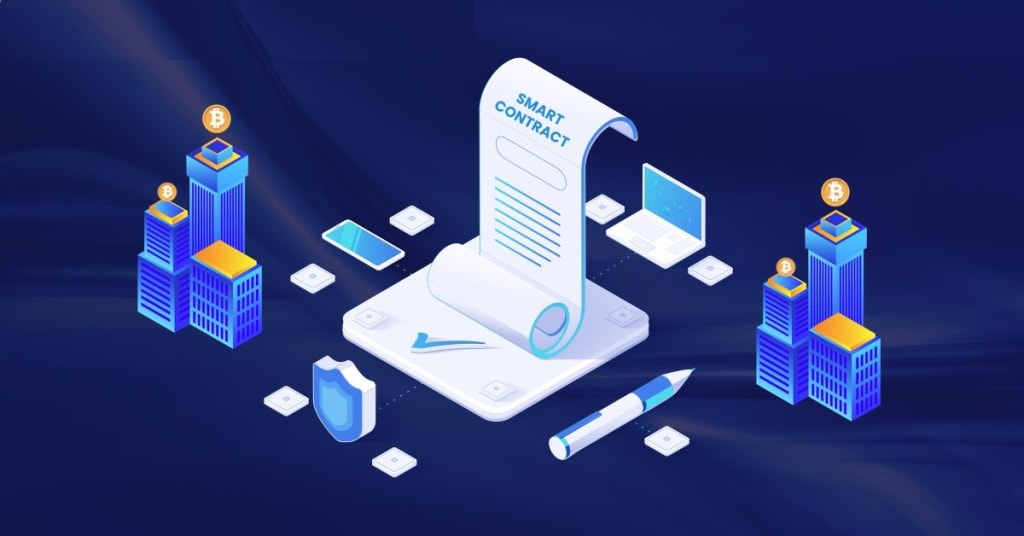
The world of real estate investment is evolving, and one of the most exciting innovations is real estate tokenization. By using blockchain technology, real estate assets are transformed into digital tokens, making them easier to trade and own. But what role do smart contracts play in this process? Let's dive into how these self-executing contracts enhance real estate tokenization and streamline the entire process.
What Are Smart Contracts?
Smart contracts are self-executing agreements with the terms of the contract directly written into code. Once specific conditions are met, the contract automatically enforces the agreement without the need for intermediaries. This technology has found significant applications in various industries, including real estate, where it adds efficiency, security, and transparency.
Streamlining Transactions with Smart Contracts
When you tokenize real estate commodities, the process of buying, selling, or renting becomes simpler and faster. Smart contracts automate key parts of the transaction, ensuring that all terms are met before any action is taken. For example, if someone purchases a tokenized property share, the smart contract will automatically transfer the tokens once payment is made, eliminating the need for a middleman like a bank or lawyer. This reduces both time and costs, making the process more efficient for everyone involved.
Ensuring Transparency and Security
One of the main concerns with traditional real estate transactions is the lack of transparency and the risk of fraud. Smart contracts, built on blockchain technology, provide a secure and transparent way to track every transaction. The contract’s details are visible to all parties involved, ensuring that no terms are hidden or altered. Additionally, the decentralized nature of blockchain makes it difficult for anyone to manipulate or tamper with the data.
Reducing Legal Complexities
In traditional real estate deals, contracts often require extensive paperwork and legal expertise to ensure everything is in order. With smart contracts in real estate, much of the legal complexity is simplified. Since the terms are coded into the contract, the entire process can be automated, reducing the need for costly legal interventions. This also minimizes human error, making the process smoother for both buyers and sellers.
Tokenizing Real Estate Commodities
Smart contracts enable tokenized real estate commodities to be easily traded, bought, or sold on a blockchain network. This allows fractional ownership of real estate, making it possible for smaller investors to participate in high-value properties that were previously out of reach. As smart contracts ensure that every transaction is processed automatically, this also opens up new opportunities for global investors to get involved in the market without worrying about cross-border issues or currency conversions.
Conclusion
Smart contracts play a pivotal role in enhancing real estate tokenization by automating transactions, ensuring transparency, reducing legal complexities, and enabling fractional ownership. As the industry continues to grow, the integration of smart contracts will make it easier and more secure for everyone to invest in tokenized real estate. If you're looking to explore this innovative space, partnering with a trusted real estate tokenization company is the first step toward securing your digital property assets.
FAQs
Q1. What is real estate tokenization?
Real estate tokenization is the process of converting property ownership into digital tokens stored on a blockchain, enabling easy and secure trading.
Q2. How do smart contracts work in real estate tokenization?
Smart contracts automate transactions by enforcing agreements when pre-set conditions are met, reducing delays and eliminating intermediaries.
Q3. What are the benefits of using smart contracts in real estate?
Smart contracts ensure transparency, enhance security, streamline processes, reduce costs, and simplify complex legal procedures in real estate transactions.
Q4. Can smart contracts enable fractional ownership in real estate?
Yes, smart contracts facilitate fractional ownership by enabling investors to buy smaller shares of tokenized real estate commodities.
Q5. Why should I choose a real estate tokenization company?
A reliable real estate tokenization company ensures proper implementation of smart contracts and secure management of tokenized property assets.
About the Creator
Andrew Thomas
Hi, I'm Andrew Thomas, working at Debut Infotech, a leading blockchain development company. With a highly skilled team, we’ve built over 150+ platforms for startups and enterprises.
Keep reading
More stories from Andrew Thomas and writers in Lifehack and other communities.
Why Healthcare Providers Need Custom Software Solutions
Technology is transforming the healthcare industry, making it more efficient and patient-centered. However, off-the-shelf healthcare software often fails to meet the unique needs of different medical facilities. This is why custom software solutions are becoming essential for healthcare providers.
By Andrew Thomas11 months ago in Lifehack
The Quiet Advantage of Early Hustle Jobs and Why They Shape Long-Term Success
Early hustle jobs often look small on the surface. They may involve delivering food, selling items online, tutoring, washing cars, or helping in a local shop. Many people see them as temporary or unimportant. Yet the truth is different. These jobs build habits, skills, and mindsets that last a lifetime. The hidden power of early hustle jobs lies in how they prepare people for real challenges before adulthood fully begins. At a young age, time feels endless. Energy is high, and risk is low. This makes early work experiences very valuable. They teach lessons that schools often miss. They also shape how a person sees money, effort, and responsibility. These lessons quietly influence future success in careers, business, and personal growth.
By David Lipan4 days ago in Lifehack
Why Smartphones in 2026 Will Feel Very Different From the Ones You Use Today
The top phones from 2024 and 2025 don't appear that different when you put them next to each other. The displays are a little brighter. The cameras are a bit clearer. The CPUs are a little speedier. But in real life, things haven't altered much. You still swipe. You still tap. You still plug in your phone every night. You still care about battery life.
By abualyaanart4 days ago in Lifehack




Comments
There are no comments for this story
Be the first to respond and start the conversation.