
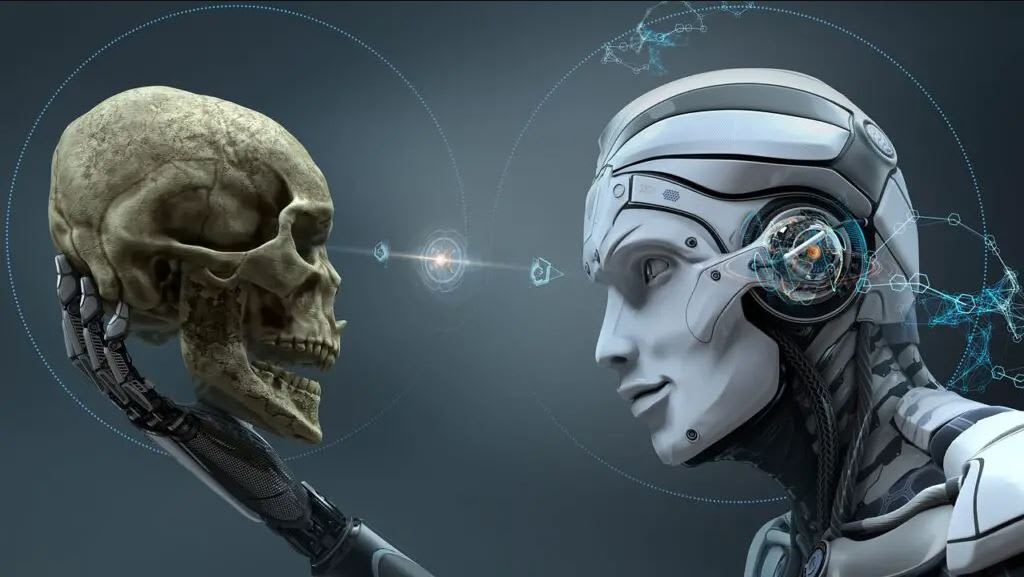
In recent years, the advancement of artificial intelligence (AI) has been a topic of interest and concern for many people. While AI has the potential to bring significant benefits and improvements to society, it also has the ability to replace manual jobs, which can have significant consequences for the workforce.
ADVANTAGES
Improved efficiency and accuracy: One of the main advantages of using AI to replace manual jobs is the improved efficiency and accuracy that it offers. AI-powered machines can work 24/7 without needing breaks or rest, and they can perform tasks faster and with greater precision than human workers.
Lower costs: While implementing AI technology may require an initial investment, it can ultimately lead to lower costs for businesses in the long run. AI-powered machines can work for extended periods without needing overtime pay or other benefits that human workers require.
Increased safety: Some manual jobs, such as those in hazardous environments or involving heavy machinery, can be dangerous for human workers. By using AI-powered machines to perform these tasks, businesses can reduce the risk of injury or even fatalities in the workplace.
New job opportunities: While AI may replace some manual jobs, it can also create new job opportunities in fields such as robotics, data analysis, and AI programming. These jobs require specialized skills that can be learned through education and training programs.
Ethical considerations: As AI technology continues to advance, it raises important ethical considerations around job displacement and income inequality. Governments and businesses must work together to ensure that workers are not left behind as AI becomes more prevalent in the workplace. This may involve implementing policies such as retraining programs, income support, or even a universal basic income
Here are some ways in which AI can replace manual jobs:
Automation of routine tasks
AI technology can automate routine tasks that were once performed by humans. For example, in the manufacturing industry, robots can assemble and package products more efficiently than humans, reducing the need for manual labor. Similarly, in the transportation industry, self-driving vehicles can potentially replace human drivers.
Digital customer service
Many companies are now using AI-powered chatbots to provide customer service. These chatbots can answer customer questions and provide support 24/7 without the need for human intervention. This technology can replace traditional customer service jobs, such as call center representatives.
Data analysis and decision-making
AI technology can analyze large amounts of data and provide insights and recommendations that were once made by humans. This can potentially replace jobs in data analysis, research, and decision-making, as AI algorithms can analyze data more quickly and accurately than humans.
Creative tasks
AI technology can also replace manual jobs in creative industries. For example, AI algorithms can now write articles, compose music, and even create art. While AI-generated content may not be as original or creative as that produced by humans, it can still provide a cheaper and more efficient alternative.
Personal assistants and administrative tasks
AI technology can also replace manual jobs in administrative and personal assistant roles. For example, virtual assistants like Siri and Alexa can schedule appointments, set reminders, and even make phone calls. This technology can replace human personal assistants and administrative assistants.
The potential consequences of AI replacing manual jobs are significant. Many people may lose their jobs, leading to increased unemployment rates and economic insecurity. However, AI also has the potential to create new job opportunities in fields such as software engineering, data analysis, and AI development.
To prepare for the potential impact of AI on the workforce, it's important for individuals and governments to invest in education and training programs to develop new skills and adapt to the changing job market. This can help workers transition to new jobs and careers as AI technology becomes more prevalent.
In conclusion, AI has the potential to replace manual jobs in various industries, leading to potential job loss and economic insecurity. However, it's important to recognize the potential benefits of AI and prepare for its impact on the workforce through education and training programs. By doing so, we can ensure that the benefits of AI are maximized while minimizing its negative impact on society.
About the Creator
Dinesh Kumar
Experienced Automation Test Engineer and Content Creator passionate about creating and executing automated tests for web applications, sharing knowledge through blogging, and staying up-to-date with the latest technologies.
Keep reading
More stories from Dinesh Kumar and writers in Lifehack and other communities.
How to Earn Money Online: Tips and Tricks
Are you looking for ways to make some extra money from the comfort of your own home? In this article, we'll explore the different ways to earn money online and provide you with tips and tricks to get started. From freelancing to starting your own online business, there are many ways to make money online.
By Dinesh Kumar3 years ago in Trader
Smartphones Are Better Than Ever
A few years ago, it was fun to get a new phone. You took it out of the box, looked at all the features, tried out the camera, and felt that calm joy that comes with possessing something truly new. Smartphones are objectively more powerful than ever today, with faster processors, smarter software, and better displays. But the enthusiasm is essentially gone.
By abualyaanart2 days ago in Lifehack
Smart phones, Humans and Aliens.
WARNING. I will be tapping into one of your favorite creative tensions: The absurdity of humans worshipping their glowing rectangles as if they were tiny oracles. There’s something deliciously poetic about that contradiction, and it lends itself beautifully to an instructive proviso.
By Novel Allen7 days ago in Poets




Comments
There are no comments for this story
Be the first to respond and start the conversation.