
How AI Assistants are changing Social Apps (And Why it Matters for Real Conversation)
Discover how AI assistants are improving online communication, cultural understanding, and meaningful connections on modern social platforms.

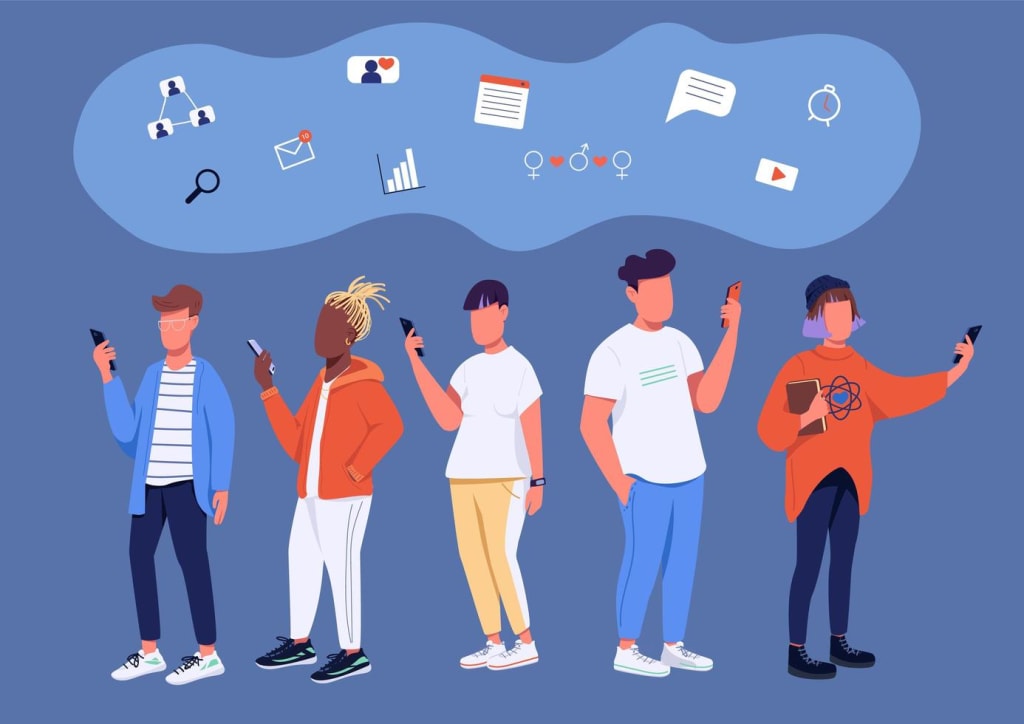
For years, social media has promised to bring people closer together. We’ve connected with friends, followed strangers, and shared our lives online. Yet, despite being more connected than ever, many people still feel misunderstood, ignored, or disconnected.
Scrolling through endless posts and sending short messages hasn’t always helped us build real relationships. In fact, it has often made communication feel rushed and shallow.
Recently, a new trend has started to change this: AI assistants inside social apps. These tools are quietly reshaping how people talk, connect, and understand each other online. And their impact is bigger than most people realize.
The Problem with Digital Conversations Today
Why Online Communication Feels Difficult
Most social platforms were built for speed, not depth. We send quick replies, react with emojis, and move on. While this makes communication fast, it also removes context and emotion.
As a result:
- Messages are often misunderstood
- Conversations feel awkward
- People struggle to express themselves
- Cultural differences create confusion
Many users want better conversations, but they don’t always know how to start or maintain them.
The Rise of Social Media Fatigue
Another issue is burnout. Many people feel tired of:
- Constant notifications
- Shallow engagement
- Pressure to perform online
- Repetitive small talk
This has created a demand for social platforms that focus on quality interactions, not just activity.
That’s where AI assistants come in.
What Are AI Assistants in Social Apps?
AI assistants in social apps are tools designed to support users while they communicate. They don’t replace human interaction. Instead, they help people interact better.
These assistants can:
- Suggest conversation starters
- Offer cultural context
- Recommend compatible connections
- Help organize thoughts
- Reduce awkward moments
Unlike traditional chatbots, modern AI assistants are built to work in the background. They support users quietly, without taking over conversations.
How AI Is Improving Real Conversations
Helping People Express Themselves
Not everyone finds it easy to communicate online. Some people overthink messages. Others worry about saying the wrong thing.
AI assistants help by:
- Offering message suggestions
- Helping users rephrase ideas
- Encouraging respectful tone
- Supporting clearer communication
This makes conversations feel more comfortable and natural.
Supporting Cross-Cultural Communication
One of the biggest challenges in online communication is cultural difference. People from different backgrounds may interpret words, jokes, or expressions differently.
AI assistants can help bridge this gap by:
- Highlighting cultural sensitivities
- Offering neutral language suggestions
- Encouraging respectful dialogue
- Promoting understanding
This reduces misunderstandings and builds trust between users.
Making Connections More Relevant
Many platforms still connect people randomly. This leads to conversations that don’t go anywhere.
AI-driven systems analyze interests, values, and communication styles to suggest more compatible connections. This means users are more likely to meet people they genuinely relate to.
A Real-World Example: AI in Action
Some modern social apps have already started using AI assistants to improve communication. One example is Cubble, which uses a built-in assistant called Cubbleton to help users navigate conversations and cultural topics.
Instead of simply matching users and leaving them alone, the assistant provides gentle guidance and suggestions. It helps users understand each other better and encourages more thoughtful interaction.
This kind of approach shows how AI can be used responsibly — not to replace people, but to support them.
Why This Matters for Mental and Emotional Health
Reducing Social Anxiety
Many people feel anxious when starting conversations, especially online. They worry about rejection or saying something wrong.
AI assistants reduce this pressure by offering structure and guidance. When users feel supported, they’re more confident in expressing themselves.
Encouraging Meaningful Interaction
When conversations improve, relationships improve too. Better communication leads to:
- Stronger friendships
- Healthier relationships
- More positive communities
- Less online conflict
AI tools that encourage thoughtful communication can have a real impact on emotional well-being.
Creating Safer Online Spaces
Some AI systems also help moderate harmful behavior by promoting respectful language and discouraging negative interactions. This makes social platforms safer and more welcoming.
The Future of AI in Social Platforms
Smarter Personalization
As AI evolves, assistants will become even better at understanding users. In the future, they may consider:
- Emotional tone
- Communication preferences
- Learning styles
- Personal boundaries
This will allow platforms to offer truly personalized experiences.
More Human-Centered Design
The next generation of AI assistants will focus less on automation and more on empathy. Developers are increasingly designing systems that respect human emotions and social dynamics.
The goal is not to make conversations robotic, but to make them more human.
Balancing Technology and Authenticity
One important challenge will be keeping interactions genuine. AI should support conversations, not control them.
The best platforms will be those that use technology to enhance human connection, not replace it.
Why This Shift Is Important
Social apps are at a turning point. Users no longer want endless feeds and empty interactions. They want:
- Understanding
- Respect
- Meaning
- Real connection
AI assistants offer a way forward. When used thoughtfully, they can help rebuild trust in digital communication.
They show that technology doesn’t have to distance us. It can bring us closer.
Conclusion: A New Era of Digital Conversation
AI assistants are changing social apps in quiet but powerful ways. They are helping people communicate more clearly, understand each other better, and build stronger relationships online.
By supporting users instead of replacing them, these tools are creating space for more authentic and meaningful conversations.
As social platforms continue to evolve, the ones that prioritize human connection — supported by intelligent technology — will shape the future of online interaction.
The next era of social media isn’t about being louder.
It’s about being understood.
About the Creator
Usman Ali
Usman Ali is a Digital Marketer with good experience in Search Engine Optimization, Social Media Optimization, and Conversion Optimization.
The Anatomy of a Hack: Modern Password Cracking Techniques and Defensive Strategies in 2026
The Evolving Battle for Digital Identity Passwords remain the primary gatekeepers to our personal, professional, and financial lives. However, the methods cybercriminals employ to bypass these protections have evolved dramatically. As we navigate 2026, hacking techniques have become more sophisticated, leveraging artificial intelligence, quantum computing concepts, and advanced social engineering. This article explores the current state of password hacking and provides actionable strategies to fortify your digital defenses.
By Alexander Hoffmann3 days ago in Lifehack
Planning a Smooth Move in Jupiter, Florida
Moving in Jupiter, Florida, often feels different from relocating in larger or more crowded cities. The town’s coastal environment, residential layout, and seasonal rhythm all influence how a move unfolds. While the relaxed atmosphere may give the impression that moving is simple, local factors can quickly complicate the process without proper planning.
By House Doctor5 days ago in Lifehack




Comments
There are no comments for this story
Be the first to respond and start the conversation.