
How African Coffee Exporters Are Shaping the Future of Specialty Coffee
Grows in Africa

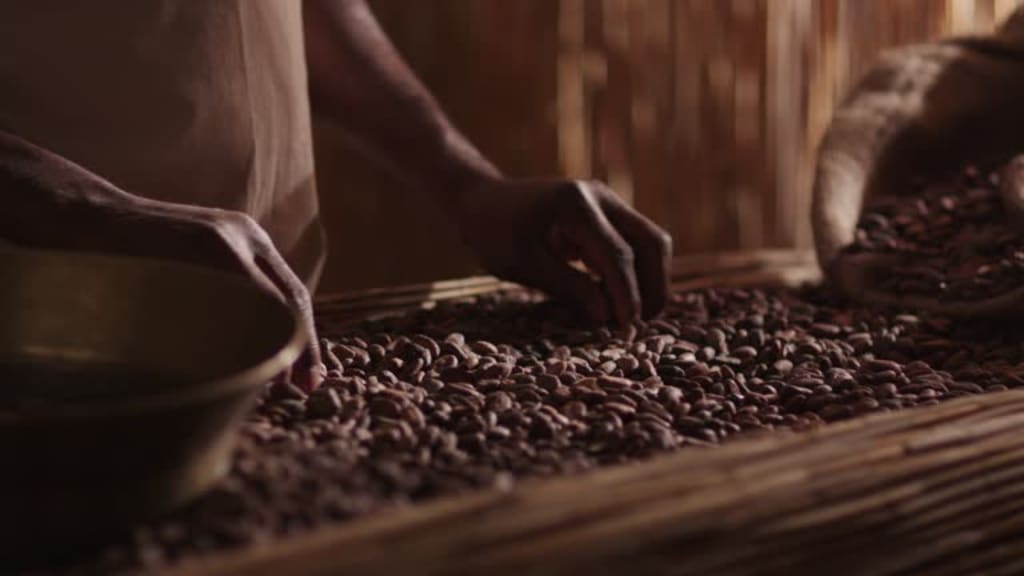
The global coffee industry is undergoing a transformation, and at the heart of this shift lies Africa, the birthplace of coffee. With its rich biodiversity, ideal growing conditions, and centuries-old coffee culture, Africa has always been a key player in the coffee trade. However, in recent years, African coffee exporters have increasingly become influential in shaping the future of specialty coffee. Through a combination of sustainable farming practices, innovation, and a renewed focus on quality, these exporters are redefining the standards of the global coffee market.
1. Africa: The Birthplace of Coffee
It's important to start with a bit of history. Coffee originated in Ethiopia, where legend has it that a goat herder named Kaldi discovered coffee beans after noticing his goats became energetic after eating the berries from a particular plant. Today, Africa is home to some of the world’s most prized coffee-growing regions, including Ethiopia, Kenya, Rwanda, Uganda, and Tanzania. These countries are famous for producing beans with distinct and varied flavor profiles, from fruity and floral notes to deep, earthy undertones.
For centuries, Africa has been exporting coffee, but in recent decades, African coffee exporters have made significant strides in influencing global coffee trends—especially in the burgeoning specialty coffee sector.
2. The Rise of Specialty Coffee and Africa’s Role
Specialty coffee, as defined by the Specialty Coffee Association (SCA), refers to coffee that has been graded 80 points or higher on a 100-point scale by a certified coffee grader. This standard ensures that only high-quality beans make it to the specialty market, focusing on flavor complexity, aroma, and overall excellence. African coffee exporters, with their access to some of the finest coffee-growing regions, are pivotal in supplying high-quality beans to meet the growing demand for specialty coffee worldwide.
African coffee’s role in the specialty market is undeniable. Countries like Ethiopia, with its heirloom coffee varieties, and Kenya, known for its bright acidity and vibrant flavors, have long been regarded as the gold standard in the specialty coffee industry. African exporters, leveraging these unique qualities, are helping to drive the global shift toward higher-quality, sustainably sourced coffee.
3. Sustainability at the Forefront
Sustainability has become a critical issue in the global coffee market, and African coffee exporters are increasingly leading the charge in ensuring that their coffee is produced ethically and with respect for the environment. Coffee farmers in Africa, particularly in countries like Ethiopia and Rwanda, are adopting sustainable farming techniques that reduce environmental impact and promote soil health.
Many exporters are working closely with farmers to implement organic farming practices, reduce the use of pesticides, and promote fair trade certification. This focus on sustainability appeals to an environmentally-conscious consumer base, driving more attention toward African coffee. In doing so, these exporters are not only helping to preserve the land for future generations but also ensuring that farmers receive fair compensation for their hard work, creating a more equitable coffee supply chain.
4. Traceability and Transparency
As consumers become more discerning about where their coffee comes from, transparency has become a key priority in the coffee supply chain. African coffee exporters are increasingly embracing traceability, allowing consumers to trace their coffee back to the specific farm or cooperative where it was grown. This level of transparency not only boosts the credibility of African coffee in the specialty market but also builds trust with consumers who are looking for ethically sourced products.
Technology plays a crucial role in enhancing traceability. Platforms and apps are now allowing exporters to connect with roasters and consumers, providing detailed information about the journey of the coffee from farm to cup. This gives African coffee exporters a competitive edge, as consumers are more inclined to purchase coffee from regions with robust traceability systems in place.
5. Innovation in Coffee Processing
African coffee exporters are also leading the way in innovation when it comes to coffee processing techniques. Traditionally, coffee beans are processed in one of three ways: washed, natural, or honey. However, African exporters have been experimenting with new methods such as anaerobic fermentation, carbonic maceration, and other creative processing techniques that enhance the flavor profiles of the beans.
Kenya, for instance, has gained international recognition for its wet-processing methods, which preserve the bright acidity and clean flavor characteristics of the beans. Meanwhile, Rwanda is making strides in honey processing, which produces coffee with rich body and complex flavors. These innovations are not only enhancing the quality of African coffee but also contributing to the global exploration of new coffee flavors and profiles.
6. Empowering Smallholder Farmers
A significant portion of African coffee is grown by smallholder farmers, who often face challenges such as lack of access to resources, market fluctuations, and poor infrastructure. African coffee exporters are working to empower these farmers by providing training, access to better farming tools, and better financial opportunities. By focusing on improving the livelihoods of these small-scale producers, exporters are ensuring that the quality of the coffee is maintained while also improving the overall economic stability of coffee-growing regions.
7. The Future of African Coffee Exports in Specialty Coffee
Looking ahead, African coffee exporters are poised to continue shaping the future of specialty coffee. With a focus on quality, sustainability, and innovation, these exporters are meeting the evolving demands of coffee drinkers around the world. As consumers become more educated about the origins of their coffee and the importance of ethical sourcing, African exporters will remain central to the global supply of high-quality, sustainable coffee.
About the Creator
Grows In Africa
We wholesale African products aiming to become the leading exporter of African raw materials. We supply to customers in Asia & Europe.
Keep reading
More stories from Grows In Africa and writers in Lifehack and other communities.
How African Raw Materials Suppliers are Shaping the Future of Manufacturing
The manufacturing industry is an ever-evolving sector, heavily reliant on raw materials to drive production and innovation. In recent years, African raw materials suppliers have emerged as key players in shaping the future of manufacturing, providing crucial inputs for industries across the globe. From precious metals and minerals to agricultural products and energy resources, Africa is endowed with an abundance of raw materials that are essential to the global economy.
By Grows In Africa about a year ago in Lifehack
What Your Grandmother Knew about Gold that Wall Street Forgot
My grandmother kept her gold bangles in a faded velvet pouch at the back of her wardrobe. Not in a safe, not in a bank vault, just tucked between old shawls and photographs. When I asked her once why she bothered keeping them, she looked at me like I'd asked why the sky was blue.
By Marcus Briggs6 days ago in Lifehack
Center Stage with Paul Stewart
*** I'm keen to republish the interviews I did for my series with Vocal creators. It's been a few years and I thought it might be nice to revisit these wonderful conversations. I'll be releasing them one at a time for a few weeks/months.
By Heather Hubler3 days ago in Interview



Comments
There are no comments for this story
Be the first to respond and start the conversation.