
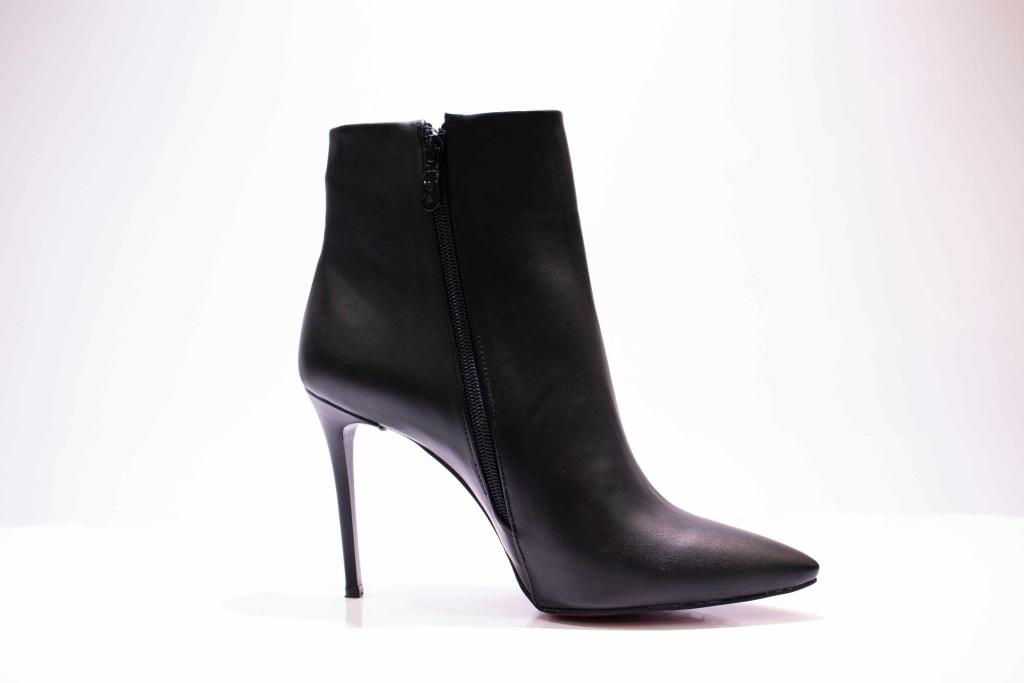
The history of high heels can be traced back to ancient times, with evidence of elevated shoes being worn in ancient Egypt and Greece. The origins of the modern high heel, however, can be traced back to the 16th century, when men and women in Europe began wearing shoes with raised heels.
During the 16th and 17th centuries, high heels were primarily worn by men, particularly in aristocratic circles. It was believed that the elevated heel helped to make a man appear taller and more powerful, and it also helped to give the illusion of a more masculine, square-shaped foot.
In the late 17th century, however, women began to adopt the high heel as a fashion statement. One of the first women to do so was Catherine de’ Medici, the Italian-born queen of France. She is said to have worn heels as high as 5 inches to increase her stature and give her a regal appearance.
By the 18th century, high heels had become a common fashion accessory for women across Europe. The styles and designs of high heels evolved over time, with different materials and embellishments being added to create new and exciting looks. High heels also became a status symbol, with the highest and most ornate heels being reserved for the wealthiest and most fashionable women.
During the 19th century, high heels continued to evolve, with new styles and designs emerging. In the early part of the century, women’s shoes were typically made from leather or fabric and featured a low heel of around 1-2 inches. However, by the mid-1800s, high heels had become more popular, and some shoes featured heels as high as 6 inches.
In the early 20th century, high heels became even more ubiquitous, with a variety of styles and designs available to women of all social classes. During the 1920s, for example, women’s shoes became more streamlined and sleek, with shorter heels and more pointed toes. The 1930s saw the rise of platform shoes, which featured thick, elevated soles and chunky heels.
During World War II, high heels became less fashionable as women were encouraged to wear practical, sturdy shoes that could withstand the demands of factory work and other wartime activities. However, by the 1950s, high heels had made a comeback, with stiletto heels and other slender designs becoming popular.
Since then, high heels have remained a popular fashion accessory for women around the world. Today, high heels come in a wide range of styles and designs, from practical and comfortable to ornate and extravagant. They are worn for a variety of occasions, from formal events and business meetings to nights out on the town.
Despite their enduring popularity, high heels have also been the subject of controversy and criticism. Some health experts warn that high heels can cause a variety of foot and back problems, including bunions, corns, and lower back pain. Others argue that high heels are a symbol of patriarchal oppression, and that they reinforce gender stereotypes and expectations.
Despite these concerns, high heels continue to be a beloved fashion accessory for many women around the world. Whether for practical or purely aesthetic reasons, high heels have played an important role in the history of fashion, and they are likely to remain a fixture of women’s wardrobes for years to come.
list of top high heels brands
Christian Louboutin
Jimmy Choo
Manolo Blahnik
Giuseppe Zanotti
Stuart Weitzman
Gucci
Valentino
Prada
Alexander McQueen
Salvatore Ferragamo
Brian Atwood
Charlotte Olympia
Saint Laurent
Roger Vivier
Dolce & Gabbana
About the Creator
Keep reading
More stories from logicmachi and writers in Lifehack and other communities.
THE MOST FAMOUSE UNKNOW HIDDEN TREASURE
The Oak Island Treasure The Oak Island Treasure is a legendary treasure that is said to be buried on Oak Island, a small island located off the coast of Nova Scotia, Canada. The treasure is said to be worth millions of dollars and has been the subject of numerous treasure hunts and excavations for over 200 years. The story of the Oak Island Treasure began in the late 1700s when a group of sailors discovered a mysterious pit on the island. The pit was filled with layers of oak logs and appeared to be the site of a buried treasure. Since then, many treasure hunters and archaeologists have attempted to uncover the treasure, but all have been unsuccessful. Theories about the nature of the treasure range from pirate treasure to religious artifacts to lost knowledge and hidden secrets. Despite numerous excavations and the sinking of several deep shafts, no one has yet been able to uncover the treasure, leading some to believe that it may be booby-trapped or cursed. To this day, the Oak Island Treasure remains one of the world’s greatest mysteries and continues to captivate the imagination of treasure hunters, archaeologists, and history enthusiasts.
By logicmachi3 years ago in FYI
Forgotten Packing Items That Make Port A Rentals Guest-Friendly
Stepping into a vacation rental should feel like a home away from home, with a clean space, cozy beds, and, perhaps, a great view to unwind. But sometimes, even the best-planned trips can be disrupted by an unexpected challenge when guests forget to pack a few essentials.
By The Mayan Princess4 days ago in Lifehack
Cooking Up Connection: Romantic Recipes to Enjoy as a Couple
Turning your kitchen into a romantic space doesn’t require extravagant effort. Start with lighting—switch off the overhead lights and let candles or warm lamps create a cozy atmosphere. Add soft music that you both enjoy and clear the counters to give yourselves space to move freely. These thoughtful touches can transform even a modest kitchen into a place of intimacy and fun.
By Micah Love-Allotey4 days ago in Lifehack




Comments
There are no comments for this story
Be the first to respond and start the conversation.