

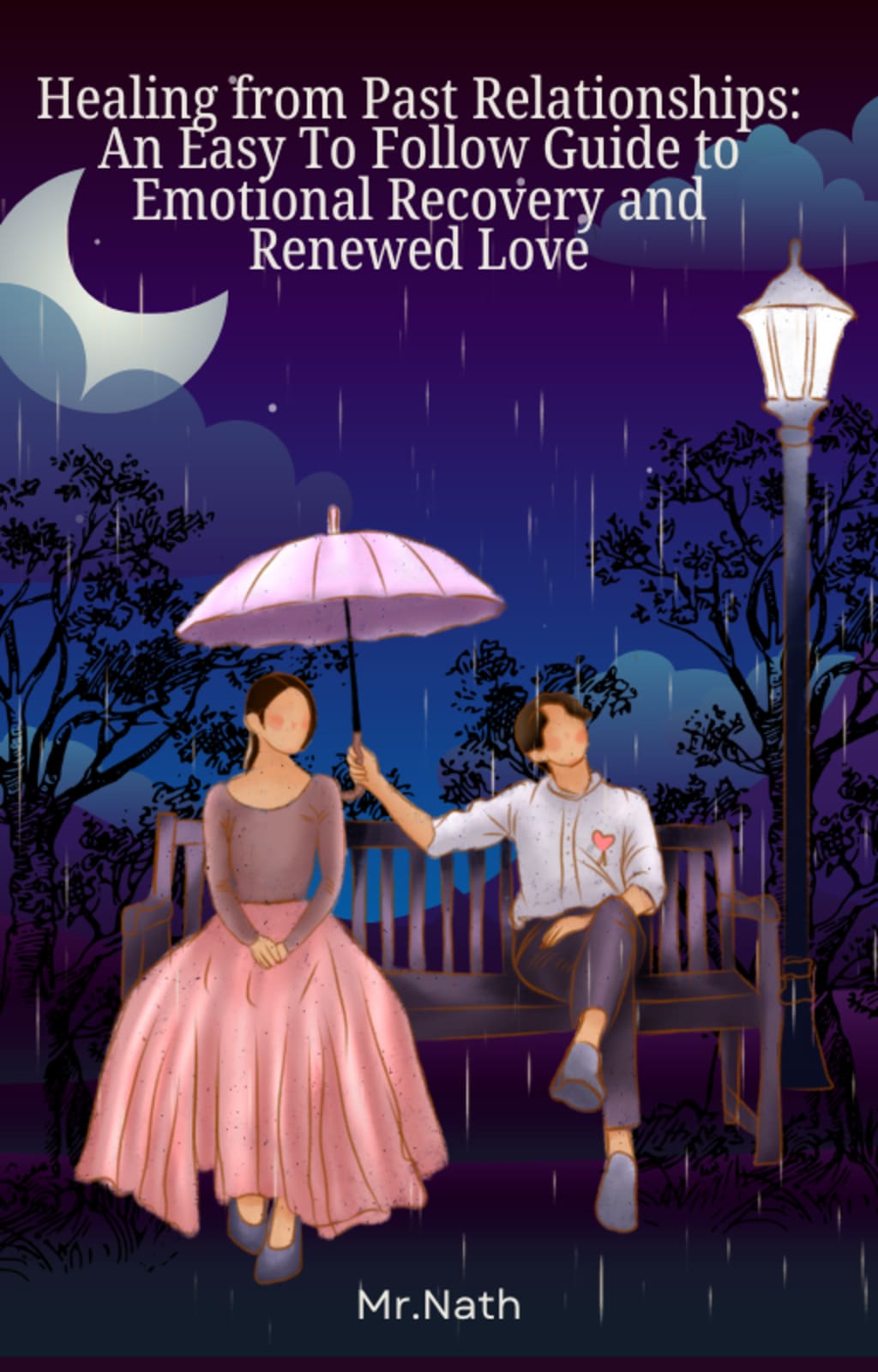
Introduction: The Pain of Loss and the Hope for Renewal
The end of a relationship can be one of the most challenging experiences a person can go through. Whether it was a mutual decision, a sudden breakup, or a slow unraveling of what once was, the pain of loss can feel overwhelming. The emotions that follow—the grief, anger, sadness, and confusion—can make it seem as though finding love again is an impossible task. However, healing is possible, and with time, patience, and self-compassion, it’s possible to open your heart to love once more.
This article explores the journey of healing after a breakup, the steps necessary to rebuild oneself, and how to approach the possibility of new love with a fresh perspective. Finding love again doesn’t mean forgetting the past; it means learning from it, growing, and allowing yourself to be open to new possibilities.
Chapter 1: The Wound of a Broken Heart
1.1 Understanding the Depth of Pain
When a relationship ends, it often feels as though the world has been turned upside down. The life you envisioned with your partner is suddenly out of reach, and the future feels uncertain. This pain is deeply personal and can manifest in various ways—sleepless nights, loss of appetite, withdrawal from social activities, and a pervasive sense of sadness. It’s essential to acknowledge these feelings rather than suppress them. The first step toward healing is understanding and accepting that your pain is valid.
1.2 The Stages of Grief in a Breakup
Much like the loss of a loved one, the end of a relationship can trigger the stages of grief: denial, anger, bargaining, depression, and acceptance. Each person’s journey through these stages is unique. You may move through them quickly, or you might linger in one stage for an extended period. It’s important to recognize that healing is not linear. You might feel like you’ve made progress, only to be hit with a wave of sadness or anger unexpectedly. Allow yourself the time and space to process these emotions without judgment.
1.3 The Importance of Self-Compassion
During the aftermath of a breakup, it’s common to engage in negative self-talk, blaming yourself for the relationship’s end or feeling unworthy of love. This is a natural but destructive response. Self-compassion is crucial during this time. Treat yourself with the kindness and understanding you would offer a close friend going through a similar situation. Remind yourself that you are deserving of love, not just from others but from yourself.
Chapter 2: The Path to Healing
2.1 Creating Space for Grief
Healing begins with allowing yourself to feel your emotions fully. It’s tempting to distract yourself with work, social activities, or even a new relationship, but these distractions often only delay the healing process. Instead, create space in your life to grieve. This might mean taking time off from work, limiting social engagements, or setting aside quiet moments each day to reflect on your feelings. Journaling, meditation, or speaking with a therapist can be valuable tools in processing your emotions.
2.2 Reconnecting with Yourself
In many relationships, especially long-term ones, people can lose touch with who they are outside of the partnership. The end of a relationship offers an opportunity to reconnect with yourself. What hobbies did you enjoy before the relationship? What dreams and goals did you set aside? Use this time to rediscover your passions and interests. Rebuilding your sense of self is a critical step in the healing process and will help you approach future relationships from a place of wholeness.
2.3 Seeking Support
You don’t have to navigate this journey alone. Seeking support from friends, family, or a therapist can provide you with the comfort and guidance you need. Talking about your feelings can help you process them and gain perspective. A therapist can offer professional insights and coping strategies, while friends and family can provide a listening ear and emotional support. Surrounding yourself with a strong support system can make the healing process more manageable.
2.4 Forgiveness: A Key to Moving Forward
Forgiveness is a crucial aspect of healing. This doesn’t necessarily mean forgiving the other person, although that can be part of the process. More importantly, it means forgiving yourself. It’s common to replay the relationship in your mind, focusing on mistakes or things you wish you had done differently. This self-blame can be a significant barrier to healing. Understand that relationships are complex, and both parties contribute to their success or failure. By forgiving yourself, you release the burden of guilt and open the door to healing.
Chapter 3: Rebuilding Your Life After a Breakup
3.1 Establishing New Routines
The end of a relationship often brings a significant change in your daily life. You may find yourself with more free time or new living arrangements. Establishing new routines can help bring a sense of stability and normalcy. Focus on self-care activities such as exercise, healthy eating, and adequate sleep. Engage in activities that bring you joy and fulfillment. These routines not only aid in healing but also help you build a life that feels complete on your own.
3.2 Reconnecting with Friends and Social Circles
During a relationship, it’s common for people to spend less time with friends and social circles as they invest more time in their partner. After a breakup, reconnecting with these social networks can provide much-needed emotional support and companionship. Spend time with people who uplift you and remind you of your worth. Engaging in social activities can also help you move forward and rebuild your confidence.
3.3 Exploring New Opportunities
The end of a relationship can also mark the beginning of new opportunities. Use this time to explore areas of your life that you may have neglected. This could involve pursuing a new career, traveling, taking up a new hobby, or even moving to a new city. These new experiences can help you grow as an individual and bring a sense of excitement and purpose back into your life.
3.4 Setting Boundaries with Your Ex
In some cases, maintaining contact with an ex-partner can be harmful to your healing process. It’s important to set clear boundaries to protect your emotional well-being. This might mean limiting or cutting off contact altogether, at least for a while. If you share responsibilities, such as co-parenting, establish guidelines for communication that are respectful but allow you the space you need to heal.
Chapter 4: Opening Your Heart to Love Again
4.1 Knowing When You’re Ready
One of the most challenging aspects of healing is knowing when you’re ready to open your heart to love again. There’s no set timeline for this, and it’s important to listen to your intuition. You may feel a desire to start dating again, but it’s crucial to ensure that you’re doing so for the right reasons. Are you seeking love to fill a void, or are you genuinely ready to share your life with someone new? Taking the time to reflect on these questions can help you make a decision that’s right for you.
4.2 Building Confidence in Love
After a breakup, it’s common to feel hesitant or fearful about entering a new relationship. The fear of getting hurt again can be overwhelming. Building confidence in love requires trust—trust in yourself and trust in the possibility of a healthy, fulfilling relationship. Start by acknowledging the lessons you’ve learned from your past relationship and how they’ve made you stronger and wiser. Recognize that you have grown, and with that growth comes the ability to create a new, healthier relationship.
4.3 Embracing Vulnerability
Opening yourself up to love again means embracing vulnerability. It’s natural to want to protect yourself from the pain you’ve experienced in the past, but true connection requires a willingness to be open and vulnerable. This doesn’t mean you have to rush into anything—take your time and move at your own pace. As you begin to trust again, allow yourself to be honest about your feelings, fears, and desires with your new partner. Vulnerability can lead to deeper intimacy and connection.
4.4 Being Mindful of Red Flags
One of the benefits of having experienced a past relationship is that you’ve likely become more aware of potential red flags in a partner. Use this awareness to your advantage, but also be careful not to overanalyze or project past experiences onto your new relationship. Trust your instincts, but also give your new partner the benefit of the doubt. Communication is key—if something concerns you, address it openly and honestly. Healthy relationships are built on mutual respect, understanding, and trust.
4.5 Finding Joy in the Present
As you navigate the journey of finding love again, it’s important to find joy in the present moment. Don’t rush into a new relationship out of fear of being alone. Instead, enjoy the process of getting to know yourself and your potential partner. Take time to appreciate the small moments of connection, laughter, and companionship. Building a new relationship is a journey, and finding joy in that journey will make it all the more rewarding.
Chapter 5: Building a Healthy and Lasting Relationship
5.1 Communication: The Foundation of Love
Effective communication is the cornerstone of any healthy relationship. After experiencing a breakup, you’ve likely learned the importance of clear, honest, and compassionate communication. In your new relationship, prioritize open dialogue about your feelings, needs, and expectations. Listen actively to your partner, and encourage them to do the same. Address issues as they arise rather than letting them fester. By building a foundation of trust and understanding through communication, you can create a relationship that stands the test of time.
5.2 Respecting Each Other’s Independence
A key to a successful relationship is respecting each other’s independence. While it’s natural to want to spend time with your partner, it’s important to maintain your individuality. Encourage each other to pursue personal interests, hobbies, and friendships. A healthy relationship allows both partners to grow as individuals while also growing together as a couple. By respecting each other’s independence, you create a sense of balance and harmony in your relationship.
5.3 Shared Values and Goals
While love is a powerful force, it’s not always enough to sustain a relationship on its own. Shared values and goals are essential for long-term compatibility. Take the time to discuss your values, beliefs, and future aspirations with your partner. Are you aligned in your views on family, career, finances, and lifestyle? While differences can be navigated, having a strong foundation of shared values can help you weather the challenges that may arise in your relationship.
5.4 Nurturing the Relationship
Just as a garden needs regular care to thrive, so does a relationship. Make time to nurture your connection with your partner through regular date nights, thoughtful gestures, and quality time together. Keep the romance alive by surprising each other with small acts of love and appreciation. Show gratitude for the positive qualities your partner brings to the relationship. By continually investing in your relationship, you strengthen the bond between you and create a lasting partnership.
5.5 Handling Conflict with Grace
Conflict is a natural part of any relationship, but it’s how you handle it that determines the health of your partnership. Approach disagreements with a spirit of collaboration rather than competition. Focus on finding solutions rather than assigning blame. Practice patience and empathy, and remember that you and your partner are on the same team. By handling conflict with grace and respect, you can navigate challenges together and emerge stronger as a couple.
Conclusion: The Journey of Healing and Love
Finding love again after a breakup is a journey of healing, self-discovery, and growth. It requires patience, self-compassion, and a willingness to embrace vulnerability. By taking the time to heal your heart, rebuild your sense of self, and approach new relationships with openness and intention, you can create a fulfilling and lasting partnership.
Remember that love is not just about finding the right person but also about becoming the right person—someone who is whole, confident, and ready to give and receive love. The journey may be challenging, but it is also filled with opportunities for growth, joy, and connection. As you move forward, trust in the process and know that your heart has the capacity to heal, grow, and find love again.
In the end, the greatest love you can find is the love you cultivate within yourself. From that place of self-love, you can build a relationship that is healthy, joyful, and enduring. So, take the first step on this journey with hope and confidence, knowing that healing hearts are capable of finding love again.
About the Creator
increase
Infusing expertise into every word to empower you with the best choices. Unveiling hidden gems and top-notch products for your refined taste and better lifestyle. #QualityContent #InformedDecisions
A Complete Guide on Who Can Benefit Most from Microsoft Office Professional Plus
When it comes to productivity software, Microsoft Office has long been the gold standard. But among its many versions, Microsoft Office Professional Plus stands out for its comprehensive tools, advanced features, and powerful integrations. Whether you're a business owner, student, or corporate professional, this edition offers a wide range of capabilities that go beyond the basics.
By Jane Smithh7 days ago in Lifehack
Company Setup in Dubai: Complete 2026 Guide for Entrepreneurs
Starting a business in Dubai has become one of the most attractive opportunities for global investors. With zero personal income tax, world-class infrastructure, and access to international markets, company setup in Dubai offers strong potential for growth.
By Adnan Sheikh4 days ago in Lifehack




Comments
There are no comments for this story
Be the first to respond and start the conversation.