
Happy 232nd Birthday, NYSE! Celebrating the Legacy of Wall Streets Icon
232 Years of Bulls, Bears & Market History

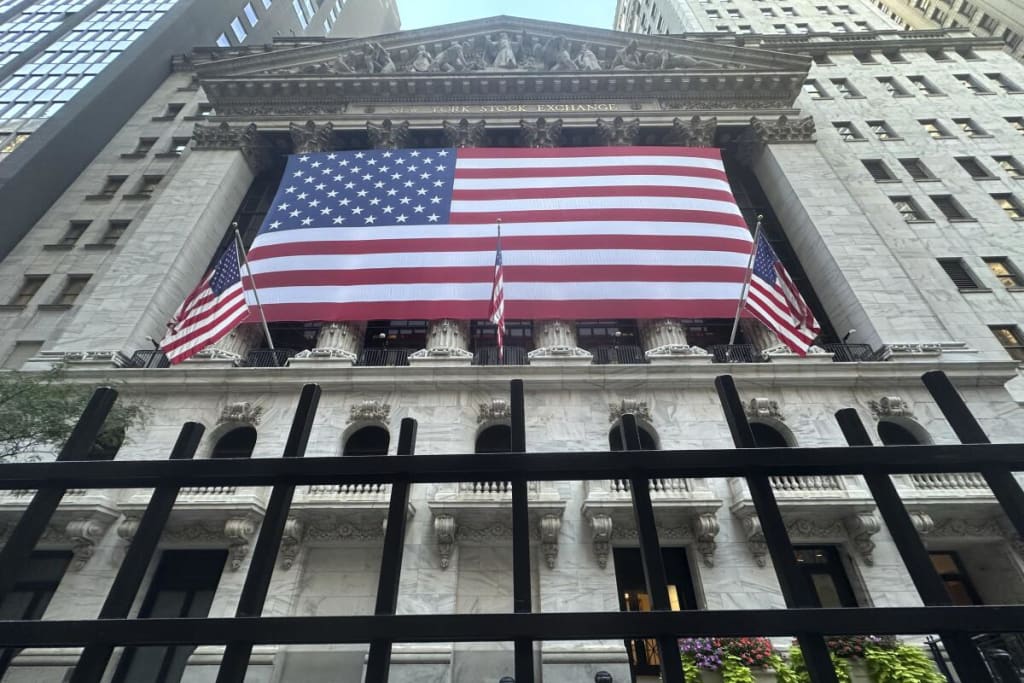
On May 17, 1792, 24 stockbrokers gathered under a buttonwood tree on Wall Street and signed the Buttonwood Agreement, laying the foundation for what would become the New York Stock Exchange (NYSE). Today, as the NYSE celebrates its 232nd birthday, we reflect on its incredible journey—from a modest trading post to the world’s largest stock exchange, shaping global finance through bull markets, bear markets, and historic milestones.
How & When Was the NYSE Founded?
The NYSE was born out of necessity. In the late 18th century, the U.S. had no formal stock market. Traders and merchants met under a buttonwood tree at 68 Wall Street to buy and sell securities.
The Buttonwood Agreement (1792)
On May 17, 1792, 24 brokers signed the Buttonwood Agreement, establishing rules for trading stocks and bonds. Key terms included:
Trading only between signatories
Fixed commission rates (0.25%)
Priority given to each other in transactions
This agreement marked the birth of organized securities trading in America.
Official Incorporation (1817)
By 1817, the exchange moved indoors to the Tontine Coffee House and formally became the "New York Stock & Exchange Board." It later adopted the name New York Stock Exchange (NYSE) in 1863.
Where Did the NYSE Begin? The Wall Street Legacy
The NYSE’s iconic location—11 Wall Street—has been its home since 1865. The building’s neoclassical facade and famous trading floor symbolize financial power.
Key Locations in NYSE History:
1792: Trading under the Buttonwood Tree (68 Wall Street)
1817: Tontine Coffee House (Wall & Water Streets)
1865: Current NYSE Building (11 Wall Street)
NYSE’s Evolution: 232 Years of Market History
From the Industrial Revolution to the Digital Age, the NYSE has witnessed (and driven) economic transformations.
Major Milestones:
1835: First major crash (The Great Fire of New York)
1867: Stock ticker invented, revolutionizing trading
1929: Black Tuesday—the worst market crash in history (pre-Great Depression)
1971: Goes nonprofit, becomes a publicly traded company (NYSE: ICE) in 2006
1987: Black Monday—biggest one-day percentage drop (22.6%)
2001: Temporarily closes after 9/11 attacks
2008: Financial Crisis—NYSE withstands market turmoil
2020: Fully electronic trading during COVID-19 pandemic
The Success Story: Why the NYSE Dominates Global Markets
The NYSE is the world’s largest stock exchange, with a market cap exceeding $25 trillion. Its success stems from:
1. Trust & Regulation
Strict listing requirements ensure only blue-chip companies trade here (e.g., Coca-Cola, Walmart, Apple).
The SEC (1934) and NYSE’s own regulations maintain market integrity.
2. Innovation & Adaptation
From open outcry trading to fully electronic systems, the NYSE embraces change.
NYSE Pillar (2018)—a next-gen trading platform boosting speed & efficiency.
3. Global Influence
Home to international giants (Alibaba, Toyota ADRs).
Sets the tone for global markets—when the NYSE sneezes, the world catches a cold.
"The stock market is a device for transferring money from the impatient to the patient." — Warren Buffett
"The NYSE isn’t just a market—it’s the heartbeat of capitalism."
— John D. Rockefeller
Conclusion: A Legacy of Strength & Innovation
For 232 years, the NYSE has been the epicenter of finance, surviving wars, crashes, and revolutions. Its ability to adapt, regulate, and lead ensures it remains the gold standard of stock exchanges.
As we celebrate its birthday, one thing is clear: The NYSE isn’t just a marketplace—it’s a symbol of economic resilience and opportunity.
Happy Birthday, NYSE! Here’s to another century of bulls, bears, and history-making trades. 🎉📈
"Wall Street is the only place that people ride to in a Rolls Royce to get advice from those who take the subway." — Warren Buffett
FAQs About the NYSE
1. When was the NYSE founded?
The NYSE was founded on May 17, 1792, with the Buttonwood Agreement.
2. Where is the NYSE located?
The NYSE’s iconic address is 11 Wall Street, New York City.
3. What is the oldest company listed on the NYSE?
Bank of New York Mellon (1784) is one of the oldest.
4. How does the NYSE differ from the Nasdaq?
NYSE: Auction-based, physical trading floor, older companies.
Nasdaq: Fully electronic, tech-heavy listings (e.g., Apple, Amazon).
5. Has the NYSE ever closed for an extended period?
Yes—after 9/11 (4 days) and during World War I (4 months).
6. What was the worst crash in NYSE history?
Black Tuesday (1929)—stocks lost 89% of their value over three years.
7. Who owns the NYSE today?
Intercontinental Exchange (ICE) since 2013.
8. How many companies are listed on the NYSE?
Over 2,400 (as of 2024).
About the Creator
Jacky Kapadia
Driven by a passion for digital innovation, I am a social media influencer & digital marketer with a talent for simplifying the complexities of the digital world. Let’s connect & explore the future together—follow me on LinkedIn And Medium
Keep reading
More stories from Jacky Kapadia and writers in Lifehack and other communities.
BlackRocks Bitcoin ETF Smashes Records: USD 356M Inflow Sparks Longest 2025 Streak!
The financial markets are witnessing a historic moment as BlackRocks Bitcoin ETF (IBIT) shatters expectations with a staggering $356 million single-day inflow, cementing the longest consecutive growth streak of 2025. This milestone not only underscores Bitcoin is growing institutional legitimacy but also signals a seismic shift in how traditional finance embraces cryptocurrency. In this deep dive, we explore the mechanics behind BlackRock’s success, the benefits for investors, expert insights, and what the future holds for Bitcoin ETFs.
By Jacky Kapadia8 months ago in Lifehack
Top 9 Wearable App Development Companies in the US
In today’s digital age, wearable technology has reshaped how users interact with digital experiences on the go. From fitness trackers and smartwatches to AR glasses and healthcare monitors, wearable devices depend on robust, intuitive apps to deliver real-time insights and seamless connectivity. Choosing the right development partner ensures your wearable application not only meets technical requirements but also excels in user experience, reliability, and future scalability. Below is a curated list of the top 10 wearable app development companies in the United States that are leading innovation in this niche space.
By Steve Waugh8 days ago in Lifehack
Center Stage with Paul Stewart
*** I'm keen to republish the interviews I did for my series with Vocal creators. It's been a few years and I thought it might be nice to revisit these wonderful conversations. I'll be releasing them one at a time for a few weeks/months.
By Heather Hubler4 days ago in Interview



Comments
There are no comments for this story
Be the first to respond and start the conversation.