
Habit Formation for Beginners: A Step-by-Step Guide
How to form a habit that lasts forever
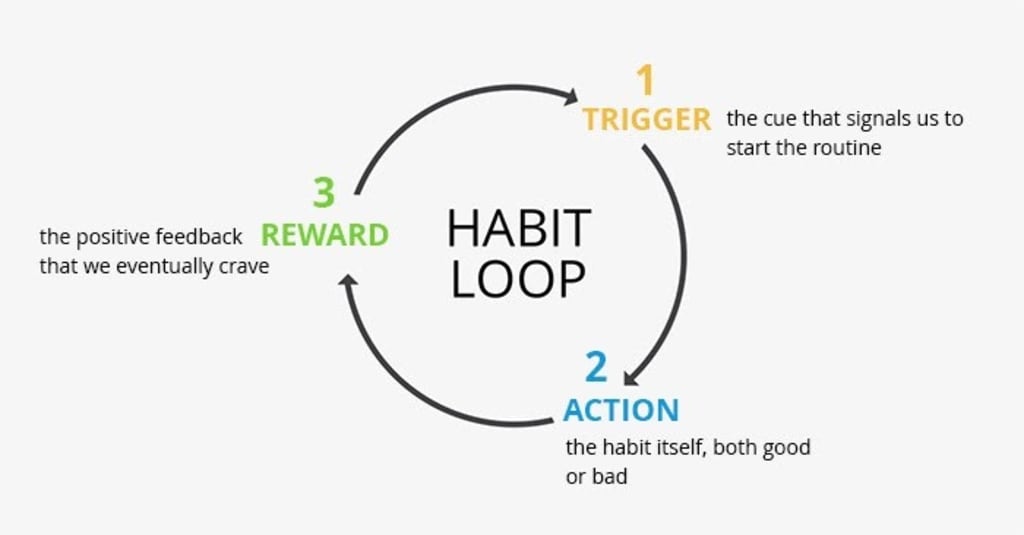
Habit formation is an important part of achieving our goals and leading a fulfilling life. Habits can help us to be more productive, efficient, and successful, and they can also improve our physical and mental health. However, creating new habits can be challenging, especially if you are new to the process. In this article, we will go over the steps to create a new habit, starting with setting a specific, measurable, achievable, relevant, and time-bound (SMART) goal.
Step 1: Choose a specific behavior that you want to turn into a habit
The first step in creating a habit is to identify a specific behavior that you want to turn into a routine. It's important to be specific and clear about what you want to do, as this will make it easier to focus on and remember. For example, instead of setting a goal to "exercise more," set a specific goal such as "I will go for a 30-minute walk every day after dinner."
Step 2: Create a trigger or cue that will remind you to perform the behavior
Habits are often formed as a response to a trigger or cue in our environment. These triggers can be physical, such as seeing a certain object, or they can be mental, such as setting a daily alarm on your phone. By creating a trigger or cue for your habit, you can help to establish a connection between the behavior and the trigger, making it easier to remember to perform the habit.
Step 3: Reward yourself for completing the behavior.
Rewarding yourself for completing the behavior can help to reinforce the habit and make it more enjoyable. The reward can be something small, such as treating yourself to your favorite snack or watching an episode of your favorite TV show. It's important to choose a reward that is meaningful and motivating to you, as this will help to increase your motivation to perform the habit.
It's important to remember that creating a habit takes time and effort, and it is normal to have setbacks along the way. Be patient with yourself and don't be discouraged if it takes longer than you expect to create the habit. It's also important to be consistent and to practice the behavior on a regular basis. The more you practice the behavior, the more automatic it will become.
Here are a few additional tips for creating a habit:
Start small: It's often easier to create a new habit if you start with small, achievable goals. For example, if you want to start exercising regularly, start by committing to just 10 minutes of exercise a day and gradually increase the duration over time.
Make it easy: Make it easy to perform the habit by setting yourself up for success. For example, if you want to start meditating every morning, put your meditation cushion or mat in a convenient location so you don't have to go searching for it.
Track your progress: Use a habit tracker or journal to track your progress and stay motivated. Seeing the progress you are making can be a great source of encouragement and can help you to stay on track.
Get support: Consider enlisting the support of a friend or accountability partner to help you stay motivated and on track with your habit. Having someone to share your progress with and hold you accountable can be a great source of motivation.
Make it enjoyable: Find ways to make the habit more enjoyable and fun. For example, if you are trying to start a daily meditation practice, try listening to your favorite music or using a guided meditation app.
Set up for success: Set yourself up for success by creating a supportive environment and making it easy to perform the habit. For example, if you want to start exercising regularly, purchase a workout mat, shoes and all equipments that you need for exercising regularly.
About the Creator
Bregadish Balamurugan
Hey there subscribers! This blog is where I learn and share my thoughts on Self-help, Productivity and Business Ideas.
Reader insights
Nice work
Very well written. Keep up the good work!
Top insight
Easy to read and follow
Well-structured & engaging content
Keep reading
More stories from Bregadish Balamurugan and writers in Lifehack and other communities.
How to create a digital detox plan to reduce smartphone distraction
A digital detox is a period of time during which you disconnect from technology and digital devices, such as smartphones, laptops, and tablets. The goal of a digital detox is to reduce distractions, increase focus and productivity, and improve overall well-being. If you find that your smartphone is a constant source of distraction, a digital detox can be a great way to reset your relationship with technology and create healthier habits. Here is a step-by-step guide on how to create a digital detox plan to reduce smartphone distraction.
By Bregadish Balamurugan3 years ago in Lifehack
You Won't Believe How Easy it is to Get 100,000 Miles Between Brake Jobs
Most drivers are destroying their brakes prematurely — and it has nothing to do with speed. As a Master Mechanic for 25 years, I’ve seen every driving style imaginable. And nothing reveals a driver’s habits faster than how often they need brake work.
By Jack Martin2 days ago in Lifehack



Comments
There are no comments for this story
Be the first to respond and start the conversation.