
H-2B Temporary Non-Agricultural Workers: A Comprehensive Overview
Everything You Need to Know About the H-2B Visa Process and Requirements


The H-2B visa program plays a crucial role in the U.S. economy by allowing employers to hire foreign workers for temporary non-agricultural jobs. This visa is particularly beneficial for industries like hospitality, landscaping, and construction, where seasonal demand requires an influx of workers. In this blog, we'll explore the essentials of the H-2B visa, its requirements, and how it differs from other visa categories.
What is the H-2B Visa?
The H-2B visa is a non-immigrant visa that permits U.S. employers to bring foreign nationals to the U.S. for temporary non-agricultural jobs. This program is designed to help employers fill positions when there are not enough U.S. workers who are able, willing, qualified, and available for the job.
Key Requirements for the H-2B Visa
To qualify for the H-2B visa, both the employer and the foreign worker must meet specific requirements:
- Temporary Need: The job must be temporary in nature, lasting no more than one year. The employer must demonstrate that the need for foreign workers is either a one-time occurrence, seasonal, peak-load, or intermittent.
- Recruitment Efforts: Employers must prove that they have made reasonable efforts to recruit U.S. workers for the position. This typically involves advertising the job in various mediums and working with state workforce agencies.
- Labor Certification: Before filing for an H-2B visa, the employer must obtain a temporary labor certification from the U.S. Department of Labor (DOL). This certification verifies that employing foreign workers will not adversely affect the wages and working conditions of similarly employed U.S. workers.
- Application Process: After receiving the labor certification, the employer files Form I-129, Petition for a Nonimmigrant Worker, with the U.S. Citizenship and Immigration Services (USCIS). If approved, the foreign worker can apply for the H-2B visa at a U.S. embassy or consulate in their home country.
Differences Between H-2B and Other Visas
Understanding the distinction between the H-2B visa and other visa categories is important:
- H-2A Visa: The H-2A visa is for temporary agricultural workers, whereas the H-2B visa is for non-agricultural positions.
- H-1B Visa: The H-1B visa is for specialty occupations that require a higher level of education or expertise, while the H-2B visa is typically for jobs that do not require advanced degrees.
- J-1 Visa: The J-1 visa is for exchange visitors participating in cultural exchange programs, which is different from the employment-focused H-2B visa.
Benefits of the H-2B Visa Program
The H-2B visa program offers several benefits to both employers and workers:
- For Employers: It provides a legal avenue to hire foreign workers when there is a shortage of U.S. labor, ensuring businesses can meet their operational needs during peak seasons.
- For Workers: It offers an opportunity for foreign nationals to work in the U.S. on a temporary basis, gaining valuable experience and earning income.
Challenges and Considerations
While the H-2B visa program is advantageous, it also comes with challenges. Employers must navigate a complex application process and adhere to strict regulations. Additionally, the visa is capped at 66,000 per fiscal year, which can make it difficult for employers to secure visas for their workers.
Conclusion
The H-2B visa is an essential tool for U.S. employers who need to fill temporary non-agricultural positions. By understanding the requirements and differences from other visa programs, employers can better navigate the process and ensure compliance with U.S. immigration laws. Whether you're an employer looking to hire foreign workers or a worker seeking opportunities in the U.S., the H-2B visa offers a pathway to meet your needs.
This article was originally posted on buymeacoffee.com
About the Creator
Aztec Foreign Labor, Inc
With over 50 years of combined experience, Aztec Foreign Labor, Inc. excels in labor and immigration services. They specialize in H-2B visas, ensuring client success and compliance across landscaping, construction and seafood industries.
Keep reading
More stories from Aztec Foreign Labor, Inc and writers in Lifehack and other communities.
6 Benefits of the H-2B Visa for Seasonal Workers
The H-2B visa program offers significant benefits for both employers and seasonal workers in the United States. Designed to fill temporary non-agricultural jobs, this visa allows employers to hire foreign workers to meet seasonal demands. Here are six key benefits of the H-2B visa for seasonal workers:
By Aztec Foreign Labor, Inc2 years ago in Lifehack
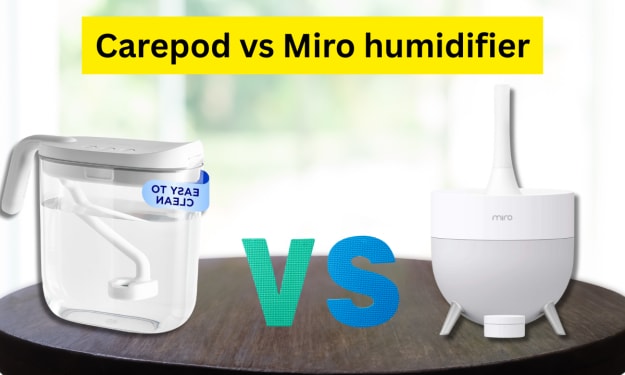
Carepod vs Miro Humidifier: Which Easy-to-Clean Humidifier Is Right for
Dry air can be a real pain, so when people ask about Carepod vs Miro humidifier, I get why the choice matters. I notice how things like cold U.S. winters, indoor heating, and easy cleaning shape what actually works at home, and I like focusing on the details that affect day-to-day comfort. Here’s what stands out, where each falls short, and which one may fit your space better—stick with me and you’ll know which way to go.
By Mohammed mamun5 days ago in Lifehack
The Silent Weight of a Piano Move in Sarasota
There is a particular kind of silence that surrounds a piano when it is about to be moved. The keys are closed, the lid rests gently in place, and the instrument waits. In Sarasota, Florida, where life often unfolds at a slower, more reflective pace, that silence feels intentional rather than empty. A piano move is not rushed here. It is approached with awareness, because most people understand that this object carries far more than sound. It carries weight in every sense of the word.
By House Doctor5 days ago in Lifehack



Comments
There are no comments for this story
Be the first to respond and start the conversation.