
Guide to Roof Fall Protection: Ensuring Safety at Heights
Understanding the Risks of Working at Height

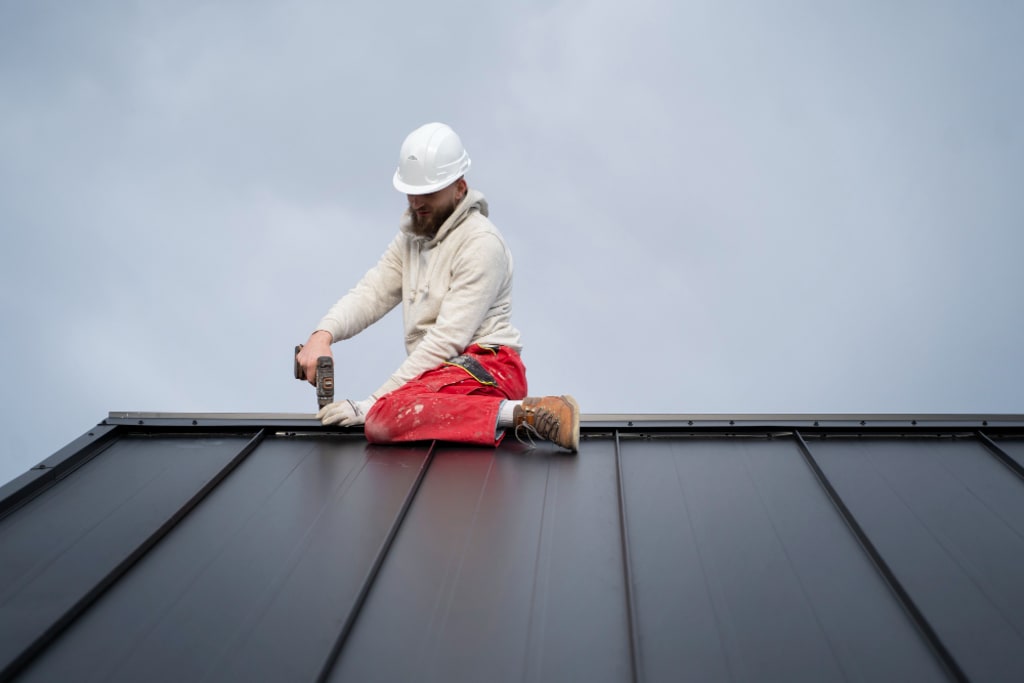
Working on roofs can feel like a balancing act, can't it? Have you ever wondered just how many accidents happen because someone didn't have the right safety equipment in place? What about the legal implications if something goes wrong on your watch? Whether you're a business owner, site manager, or tradesperson, understanding roof fall protection isn't just about ticking boxes it's about making sure everyone goes home safely at the end of the day.
This guide breaks down everything you need to know about keeping people safe when working at heights. We'll explore the different types of fall protection systems available, help you choose the right solution for your specific needs, and walk you through the legal requirements that apply in Australia. You'll also discover practical tips for installation, maintenance, and training that could literally save lives.
From understanding the real costs of workplace accidents to exploring cutting-edge safety technology, we've got you covered. Let's get stuck into creating a safer working environment for everyone who needs to access roofs as part of their job.
Understanding the Risks of Working at Height
Common Causes of Roof-Related Accidents
The statistics around roof-related accidents are sobering. Each year in Australia, falls from height account for a significant portion of workplace fatalities and serious injuries. But what exactly causes these accidents? Often, it's a combination of factors rather than a single issue.
Weather conditions play a massive role in roof safety. Wet or icy surfaces can turn a routine job into a hazardous situation in seconds. Strong winds can throw workers off balance, especially when carrying materials or equipment. Even something as simple as morning dew can create slippery conditions that catch experienced workers off guard.
Human factors contribute significantly to accidents too. Fatigue, complacency, and rushing to meet deadlines all increase risk. Sometimes workers skip safety procedures because they've "done this a hundred times before." Other times, inadequate training or unfamiliarity with specific roof types leads to poor decision-making. Equipment failure, though less common, can have catastrophic results when harnesses break or anchor points give way.
The Real Cost of Falls from Height
When we talk about the cost of falls, the human cost comes first. A serious fall can result in life-changing injuries, permanent disability, or worse. Families are torn apart, and workers may never return to their trade. The psychological impact on witnesses and colleagues shouldn't be underestimated either.
Financial costs hit businesses hard too. Direct costs include medical expenses, compensation claims, and potential legal fees. But indirect costs often exceed these—think about work stoppages, investigation time, hiring and training replacement workers, and increased insurance premiums. A single serious accident can cost hundreds of thousands of dollars.
Legal Obligations for Workplace Safety
Australian workplace safety laws are clear: employers must provide a safe working environment. This means conducting risk assessments, implementing appropriate control measures, and making sure all workers have proper training and equipment. The Work Health and Safety Act sets out these duties in detail.
Penalties for non-compliance are severe. Businesses can face fines reaching into the millions, and individuals including directors and managers may face prosecution. Prison sentences aren't off the table for serious breaches that result in death or injury. Ignorance isn't a defence; the law expects you to know your obligations.
What Exactly Is Roof Fall Protection?
Key Components of a Fall Protection System
A comprehensive fall protection system involves multiple elements working together. Think of it as a safety net with several layers if one component fails, others are there to prevent disaster. The foundation starts with proper planning and risk assessment before anyone sets foot on a roof.
Physical components typically include anchor points, which provide secure attachment locations for safety equipment. These must be rated to withstand the forces generated during a fall. Connecting devices like lanyards or self-retracting lifelines link workers to anchor points, while full-body harnesses distribute impact forces across the strongest parts of the body.
Active vs Passive Protection Methods
Active fall protection requires worker participation and correct equipment use. Personal fall arrest systems are the classic example workers must properly wear harnesses and connect to anchor points. These systems allow mobility while providing protection, making them ideal for many roofing tasks.
Passive protection works without any action from workers. Guardrails around roof edges, safety nets below work areas, and covers over skylights protect everyone automatically. These methods are often preferred because they don't rely on individual compliance or training. Once installed, they're always working.
When Is Fall Protection Required?
In Australia, fall protection is mandatory whenever work involves a risk of falling two metres or more. But don't let that number fool you falls from lower heights can still cause serious injuries. Many employers implement protection at any height where a fall could cause harm.
Specific situations trigger additional requirements. Work near unprotected edges, on fragile surfaces like skylights, or on steeply pitched roofs needs special attention. Temporary work might have different requirements than permanent installations. Weather conditions can change a low-risk situation into a high-risk one.
Types of Roof Fall Protection Systems
Guardrail Systems
Guardrails offer simple, effective protection that doesn't require special training to benefit from. These barriers physically prevent workers from reaching roof edges, making them ideal for areas with regular foot traffic. Modern systems use lightweight materials that don't compromise roof integrity while providing robust protection.
Installation flexibility makes guardrails suitable for various roof types. Permanent systems bolt directly to roof structures, while temporary options use weighted bases or clamps. Some innovative designs fold flat when not in use, reducing wind load and visual impact. The height and strength requirements are strictly regulated to make sure they'll actually stop a falling person.
Safety Net Systems
Safety nets catch falling workers before they hit the ground or lower levels. They're particularly useful during construction or major renovation projects where other protection methods might interfere with work. Properly installed nets can protect multiple workers simultaneously across large areas.
The technology behind modern safety nets is impressive. Materials must be strong enough to catch a falling person while having enough give to reduce impact forces. UV resistance prevents degradation from sun exposure. Mesh sizes are calculated to catch people while allowing small objects to fall through, reducing weight accumulation.
Personal Fall Arrest Systems (PFAS)
PFAS represent the most common active fall protection method. A full-body harness distributes fall forces across the pelvis, chest, and thighs the body's strongest areas. Modern harnesses include padding for comfort during extended wear and multiple attachment points for different work positions.
Connecting devices vary based on work requirements. Standard lanyards work well for fixed positions, while self-retracting lifelines allow more movement freedom. Energy absorbers reduce the impact force transmitted to both the worker and anchor point during a fall. Each component must be compatible and rated for the user's weight.
Roof Anchor Points and Lifelines
Anchor points provide the critical connection between workers and roof structures. Single-point anchors suit workers operating in limited areas, while horizontal lifelines allow movement along roof lengths. These systems must handle forces many times a person's body weight during fall arrest.
Design considerations go beyond pure strength. Anchors must suit specific roof types without causing leaks or structural damage. Aesthetic concerns matter too, especially on heritage buildings or residential properties. Modern designs blend safety with subtlety, using colours that match roofing materials.
Temporary vs Permanent Solutions
Temporary systems suit short-term projects or infrequent roof access. They're typically cheaper upfront and can move between job sites. Setup and removal add time to each project, but you're not paying for protection when it's not needed. Rental options make high-quality protection accessible for smaller contractors.
Permanent installations make sense for regular roof access or where appearance matters. Although initial costs are higher, the convenience and reliability often justify the investment. Workers can focus on their tasks rather than setting up safety equipment. Building owners appreciate the professional appearance and liability protection.
Conclusion
After exploring the technical aspects of roof fall protection, it's clear that equipment alone doesn't guarantee safety. The most advanced systems fail if people don't use them properly or consistently. Creating a genuine safety culture requires commitment from everyone from company directors to newest apprentices.
About the Creator
Molly Crowe
My Name is Molly Crowe. I am a professional writer and love to share my written blogs and thoughts about Home Improvement, Business, Lifestyle, Automotive and Health that will be informative for readers who loves to gain knowledge.
Keep reading
More stories from Molly Crowe and writers in Lifehack and other communities.
Best Ways to Experience a Yarra Valley Half Day Tour
Have you ever wondered if you can truly capture the essence of Yarra Valley in just half a day? Are you torn between wanting to explore Victoria's premier wine region and managing your limited time in Melbourne? What if we told you that a well-planned half day tour could give you a brilliant taste of what makes this region so special?
By Molly Crowe8 months ago in Lifehack
5 Simple Lifehacks to Keep Your Teeth Healthy Every Day
Healthy teeth aren’t just about occasional dental visits—they’re shaped by the little choices you make every day. Simple habits, when done consistently, can prevent cavities, gum issues, sensitivity, and other oral concerns while keeping your smile bright and comfortable. These lifehacks are easy to integrate into your routine and don’t require drastic lifestyle changes.
By Smile Sydney4 days ago in Lifehack
Guard Your Battery
Why are some people so attractive just by standing there? It’s not because they are "likable," but because they don’t need everyone to like them. I realized later that truly charismatic people allow themselves to be criticized, but they never criticize themselves. They never try to please the world; instead, the world stops to watch them.
By Emily Chan - Life and love sharing4 days ago in Poets




Comments
There are no comments for this story
Be the first to respond and start the conversation.