
Grow Your Own Food: Top Vegetable Garden Plants for Every Home
Vegetable Garden Plants

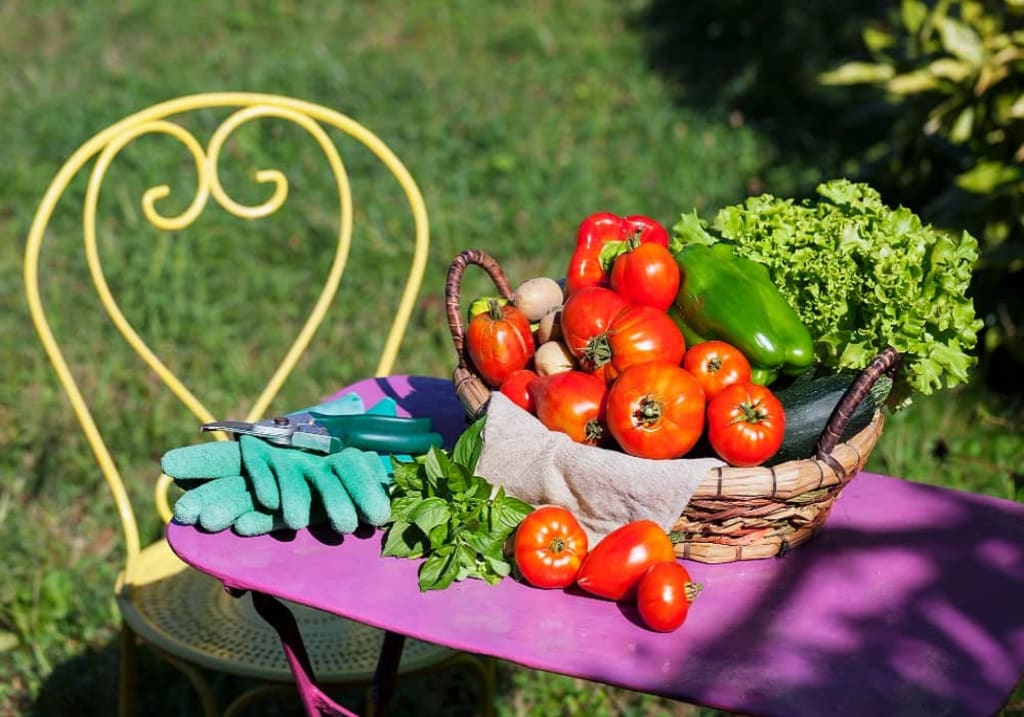
In today’s fast-paced world, many people are rediscovering the joy and benefits of growing their own food. Creating a vegetable garden at home not only offers fresh, chemical-free produce but also provides a rewarding and therapeutic hobby. Whether you have a large backyard or a small balcony, choosing the right vegetable garden plants can make all the difference. This article explores the best options for every type of home and gardener, from beginners to green thumbs.
Why Grow Your Own Vegetable Garden Plants?
There are countless reasons to start growing vegetable garden plants at home:
Health Benefits: Homegrown vegetables are fresh, organic, and free from harmful chemicals.
Cost Savings: Produce grown on your own lowers supermarket costs.
Sustainability: It’s an eco-friendly way to contribute to a greener planet.
Convenience: Harvest vegetables directly from your garden as needed.
Mental Wellbeing: Gardening is a proven stress reliever and mood booster.
Best Vegetable Garden Plants for Beginners
Start with plants that are simple to cultivate and care for if gardening is new to you. Here are some beginner-friendly choices:
1. Tomatoes
Tomatoes are a garden favorite and thrive in containers, raised beds, or garden soil. Choose from cherry, Roma, or heirloom varieties. They require well-drained soil and lots of sunlight.
2. Spinach
Spinach is a fast-growing leafy green that grows well in both warm and cool climates. It can be harvested multiple times, making it a great option for continuous supply.
3. Radishes
Radishes mature quickly—often within 3–4 weeks. They don’t require much space and can be grown in shallow containers.
4. Green Chilies
Perfect for Indian kitchens, green chilies are easy to grow in pots. They need a warm climate and moderate watering.
5. Coriander (Cilantro)
This aromatic herb grows quickly and is perfect for garnishing dishes. It can be cultivated in tiny areas or in containers.
Top Vegetable Garden Plants for Small Spaces
Urban dwellers with balconies or terraces can still enjoy a productive vegetable garden. Here are compact plants ideal for limited spaces:
6. Lettuce
Lettuce may be harvested leaf by leaf and grows rapidly. It’s suitable for shallow containers and can be grown year-round in many regions.
7. Fenugreek (Methi)
This leafy green is nutrient-rich and grows well in trays or pots. It's ready for harvest in just 3–4 weeks.
8. Beans
Bush beans and pole beans are great options. Pole beans can grow vertically with support, saving space.
9. Beetroot
This root vegetable grows well in containers at least 10–12 inches deep. The leaves and roots are both nutrient-dense and delicious.
10. Carrots
Carrots need loose, sandy soil and deep containers. Choose small or baby carrot varieties for better results in limited space.
High-Yield Vegetable Garden Plants
Take into consideration these fruitful plants if you wish to increase your harvest:
11. Okra (Lady Finger)
Okra grows well in hot climates and produces fruit throughout the season with regular harvesting.
12. Bottle Gourd (Lauki)
This climber yields a large harvest and can be trained along trellises or balconies. It needs plenty of space to spread.
13. Cucumber
Cucumber vines grow quickly and produce abundantly in warm weather. Provide vertical support to save ground space.
14. Brinjal (Eggplant)
Eggplants are hardy and produce multiple fruits over a long season. They need warm temperatures and regular care.
Tips for Successful Vegetable Gardening
Use these easy guidelines to make sure your vegetable garden plants flourish:
Sunlight: Most vegetables need at least 5–6 hours of direct sunlight daily.
Watering: Avoid overwatering. Water early in the morning to prevent fungal diseases.
Soil: Use nutrient-rich, well-draining soil. Add compost or organic manure to boost fertility.
Pest Control: Use natural remedies like neem oil spray or companion planting to deter pests.
Crop Rotation: Avoid planting the same vegetable in the same spot repeatedly to prevent soil depletion.
Organic Gardening for Healthy Plants
Going organic is not just a trend—it's a sustainable way to grow nutritious vegetables. Avoid chemical fertilizers and pesticides. Instead, use compost, vermicompost, cow dung, or bio-fertilizers to nourish your vegetable garden plants naturally.
Harvesting and Storage
Pick vegetables when they’re fresh and ripe. In order to prevent harming the plant, use a clean knife or pair of scissors. Some plants, like spinach or coriander, allow multiple harvests from the same plant. Store your harvest in a cool, dry place or refrigerate for extended freshness.
Final Thoughts
Starting a home garden doesn’t require vast land or complex tools—just a bit of patience, care, and the right choice of vegetable garden plants. Whether you’re growing herbs in pots, leafy greens in trays, or climbers on your balcony, the joy of harvesting your own food is unmatched.
So, roll up your sleeves, get your hands in the soil, and begin your journey towards a healthier, greener, and more self-reliant lifestyle. Happy gardening!
About the Creator
Tannu Ka Garden
We explore the wonderful world of gardening, offering valuable tips, knowledge, and insights to help you become a skilled gardener. Whether you're just starting out or already have some experience, you'll find plenty of helpful information.
Keep reading
More stories from Tannu Ka Garden and writers in Lifehack and other communities.
Easy and Effective Gardening Tips to Transform Your Home Space
Home gardening is more than simply a pastime; it's a fulfilling method to improve your living area, your health, and your relationship with the natural world. Whether you have a sprawling backyard, a small balcony, or just a few pots by the window, the right tips for gardening at home can help you build a green sanctuary with ease. This article offers practical and effective advice to help beginners and enthusiasts alike transform their home environment with flourishing plants.
By Tannu Ka Garden9 months ago in Lifehack
Practical Bunk Bed Designs for Family Homes That Simplify Daily Life
Family homes are busy places. Children need space to sleep, play, read, and relax, often all in the same room. When furniture does not work well, daily routines can feel harder than they need to be.
By Shahid Sipra7 days ago in Lifehack



Comments
There are no comments for this story
Be the first to respond and start the conversation.