
Gardening in Small Spaces
Transforming Urban Living with Greenery

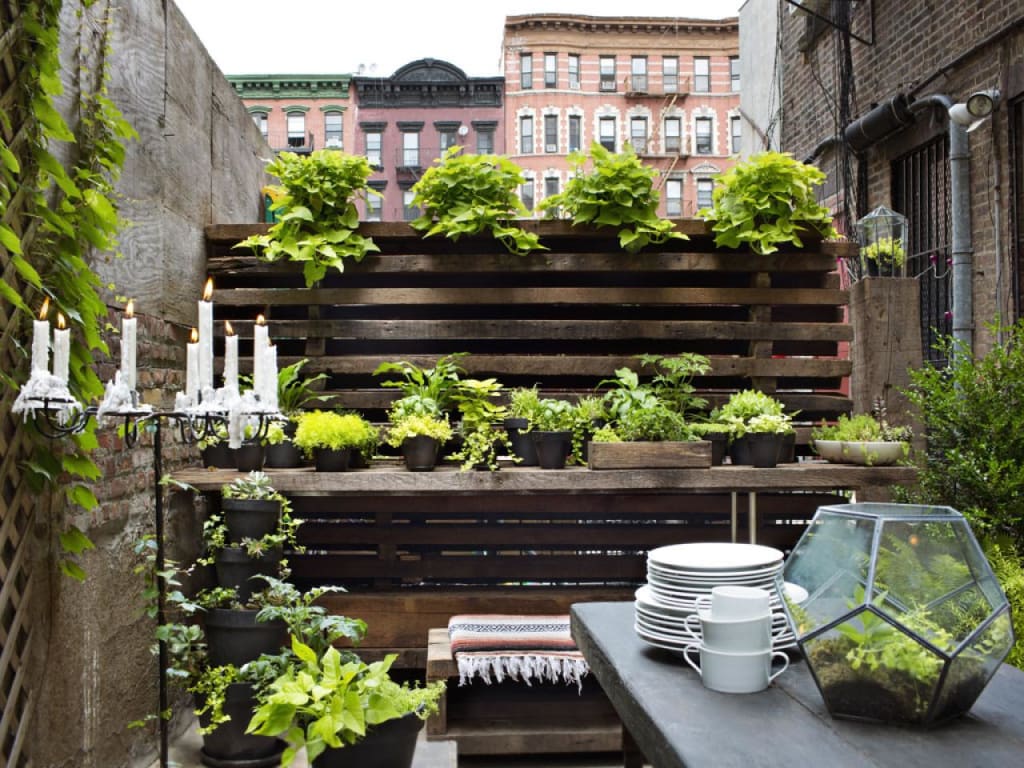
Gardening in small spaces is a growing trend that allows urban dwellers to enjoy the benefits of nature, even in the most confined environments. With limited space, creativity and smart planning are essential to create a thriving garden that brings beauty, relaxation, and even fresh produce to your home. Here are some tips and tricks to help you get started on your small space gardening journey.
1. Assess Your Space
The first step is to evaluate the space you have available for gardening. Whether it's a balcony, a windowsill, a rooftop, or a small corner in your apartment, understanding the dimensions and sunlight exposure is crucial. Take note of how many hours of direct sunlight your space receives daily, as this will influence the types of plants you can grow.
2. Choose the Right Containers
Containers are the foundation of small space gardening. They come in various shapes, sizes, and materials, such as plastic, terracotta, and fabric. When selecting containers, consider the following:
- Size: Ensure the container is large enough to accommodate the root system of your chosen plants.
- Drainage: Proper drainage is vital to prevent waterlogged soil. Look for containers with drainage holes or add a layer of gravel at the bottom.
- Mobility: Lightweight containers are easier to move, allowing you to reposition plants based on sunlight and weather conditions.
3. Vertical Gardening
Maximize your space by growing plants vertically. Vertical gardening utilizes structures like trellises, wall-mounted planters, and hanging baskets to create additional growing areas. Some popular vertical gardening options include:
- Trellises: Ideal for climbing plants like tomatoes, cucumbers, and beans.
- Wall Planters: Perfect for herbs, flowers, and small leafy greens.
- Hanging Baskets: Great for trailing plants like strawberries and ivy.
4. Select Suitable Plants
Choosing the right plants is essential for a successful small space garden. Opt for plants that are well-suited to container growing and can thrive in the available light conditions. Some excellent choices include:
- Herbs: Basil, mint, parsley, and thyme are easy to grow and perfect for culinary use.
- Vegetables: Lettuce, spinach, radishes, and cherry tomatoes are compact and productive.
- Flowers: Marigolds, petunias, and pansies add color and attract pollinators.
- Succulents: Ideal for low-maintenance gardens, succulents require minimal water and care.
5. Efficient Watering Techniques
Proper watering is critical to avoid overwatering or underwatering your plants. Here are some tips to ensure your plants receive the right amount of moisture:
- Check Soil Moisture: Before watering, check the soil's moisture level by inserting your finger about an inch deep. If it feels dry, it's time to water.
- Water Early: Watering in the early morning or late evening reduces evaporation and helps plants absorb moisture more effectively.
- Use Self-Watering Containers: These containers have a built-in reservoir that provides a consistent water supply, reducing the risk of overwatering.
6. Optimize Light Exposure
Light is a key factor in plant growth. If your space lacks sufficient natural light, consider these options:
- Grow Lights: LED grow lights can supplement natural light, especially during the shorter days of winter.
- Reflective Surfaces: Place mirrors or reflective surfaces around your plants to increase light exposure.
- Rotate Plants: Regularly rotate your plants to ensure even light distribution and prevent them from becoming leggy.
7. Soil and Fertilization
Using high-quality potting soil is essential for container gardening. Look for a well-draining mix that retains moisture without becoming waterlogged. Additionally, fertilize your plants regularly to provide the necessary nutrients for growth:
- Organic Fertilizers: Compost, worm castings, and fish emulsion are excellent organic options.
- Slow-Release Fertilizers: These provide a steady supply of nutrients over time, reducing the need for frequent applications.
8. Pest Management
Small space gardens are not immune to pests, so it's important to monitor your plants regularly and take action at the first sign of trouble:
- Inspect Plants: Regularly check the undersides of leaves and stems for pests like aphids, spider mites, and whiteflies.
- Natural Predators: Encourage beneficial insects like ladybugs and lacewings that prey on harmful pests.
- Organic Solutions: Use neem oil, insecticidal soap, or homemade remedies like garlic spray to control pests without harming the environment.
Conclusion
Gardening in small spaces may present challenges, but with careful planning and creativity, you can cultivate a lush and productive garden. Whether you're growing herbs for your kitchen, flowers for your enjoyment, or vegetables for your table, small space gardening allows you to bring the joys of nature into your urban life. Embrace the potential of your limited space and start your green adventure today.
About the Creator
Daniel Perangin-angin
I am a husband with no kids. I like travelling.
Keep reading
More stories from Daniel Perangin-angin and writers in Lifehack and other communities.
The Right Food for a Healthy Life
Introduction Eating the right food is fundamental to maintaining a healthy life. With the plethora of diets and nutritional advice available today, it can be challenging to discern what constitutes a balanced and health-promoting diet. This guide aims to simplify this by focusing on core principles and specific foods known for their health benefits.
By Daniel Perangin-angin2 years ago in Humans
The dog everyone ignored became the reason I’m still alive.
No one noticed him at first. He crouched in the far corner of the shelter, half-hidden behind a metal food bowl, watching people walk past his cage as if he weren’t there. Families stopped to look at the dog with bright eyes and wagging tail. Volunteers smiled and laughed at the dogs who barked loudly for attention.
By Paw Planet 6 days ago in Lifehack


Comments
There are no comments for this story
Be the first to respond and start the conversation.