
From Code to Culture: The Power of Technology
Bridging Innovation and Society in the 21st Century
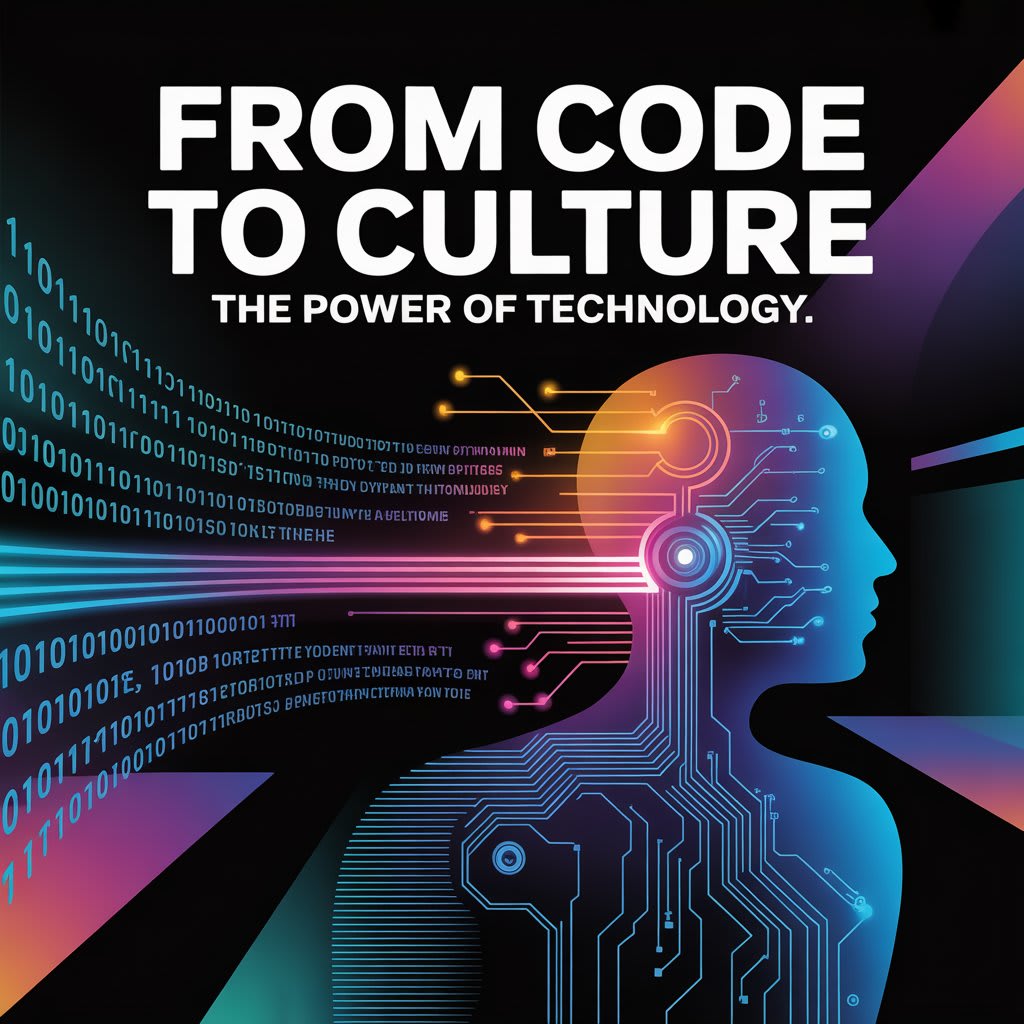
Technology is everywhere—from the phones in our pockets to the platforms where we spend hours each day. But its role goes beyond gadgets or apps. Technology has become part of culture itself, shaping how we express ourselves, what we value, and even how we see the world. What begins as simple lines of code often grows into powerful cultural movements.
From Code to Everyday Life
Every app we use starts with code. It might look like a jumble of numbers and commands, but behind it are experiences that shape culture. Think of WhatsApp—it’s just software, yet it has changed how billions of people communicate with family and friends across continents. Similarly, gaming platforms like Minecraft or Fortnite are not just games; they’re communities where kids and adults alike socialize, create, and even learn.
Code is no longer just technical—it’s the foundation for stories, music, and connections that define modern life.
Social Media: Where Tech Meets Culture
Few things show this better than social media. Instagram has turned photography into a global cultural language. TikTok has created dance crazes and made unknown singers global stars overnight. YouTube has produced influencers who now rival traditional celebrities in power and reach.
These platforms are not just digital tools; they are stages where culture is performed, shared, and redefined. They set fashion trends, influence political conversations, and even decide what songs top the charts.
Technology as a Creative Partner
Artists and creators are also reshaping their work with technology. Musicians use software like GarageBand or AI-assisted tools to compose. Digital painters create stunning artwork on iPads that rival traditional canvases. Entirely new genres of art—like 3D animation, virtual reality installations, and AI-generated images—exist only because of technology.
Streaming platforms play a huge role too. Netflix has changed how we watch TV shows, introducing the binge-watching culture. Spotify lets us explore music from any corner of the globe instantly, giving indie artists the chance to reach global audiences. Technology has broken down barriers, making culture more accessible and diverse.
Everyday Life and Identity
Technology is not just about entertainment; it also changes our daily habits. Remote work, once rare, is now a normal part of life thanks to tools like Zoom and Slack. Dating apps like Tinder and Bumble have reshaped how people find partners. Even family traditions, like watching movies together, have shifted to shared Netflix accounts and online watch parties.
Our identities are also intertwined with technology. Social media profiles, online avatars, and digital footprints reflect how we see ourselves. Younger generations in particular often feel that their online life is just as real as their offline one.
The Challenges We Face
Of course, there’s another side. Algorithms on platforms like Facebook or TikTok can trap people in echo chambers, showing them only what they already agree with. Digital addiction keeps us glued to screens, sometimes at the expense of real-life connections. Issues like misinformation, online bullying, and data privacy show that technology’s influence on culture can be harmful if left unchecked.
Looking to the Future
The next wave of technology promises even more cultural change. Artificial intelligence tools like ChatGPT are influencing how people write, learn, and create. Virtual reality headsets like Meta’s Quest and platforms like Roblox are building immersive worlds where people can socialize, shop, and perform in entirely new ways.
This raises big questions: Who owns AI-created art? How do we balance digital life with real-world experiences? Can the metaverse become a healthy cultural space, or will it repeat the same problems of social media?
Conclusion
From TikTok trends to Netflix binges, from AI art to Zoom meetings, technology has moved far beyond code. It is now the heartbeat of culture, influencing what we watch, how we communicate, and who we become.
But the power of technology is a double-edged sword. It can connect or divide, empower or exploit. The challenge for the future is making sure technology serves humanity—not the other way around.
Ultimately, the story of technology is the story of culture. And the story of culture is the story of us.
About the Creator
Keep reading
More stories from Saqib Ahmad Sultan and writers in Lifehack and other communities.
Small Habits, Big Changes
We often dream of monumental life changes: running a marathon, writing a book, losing 50 pounds, or landing a dream job. The problem is, these big leaps are intimidating—and often unsustainable. Yet, true transformation rarely arrives in a single dramatic moment. It sneaks in quietly, through small, deliberate choices repeated day after day.
By Saqib Ahmad Sultan4 months ago in Lifehack
How to Keep a Garage Warm in the Winter and Protect Valuable Tools
Cold garages create real damage. Tools break down faster, and finishes don't last. Winter doesn't have to put your garage out of action, but it definitely will if you let heat slip away and ignore moisture.
By Ryan Simonson4 days ago in Lifehack


Comments
There are no comments for this story
Be the first to respond and start the conversation.