
For Porcelain Tile Flooring, Which Underlayment Options Are Best?
Underlayment Choices for Porcelain Tile Flooring
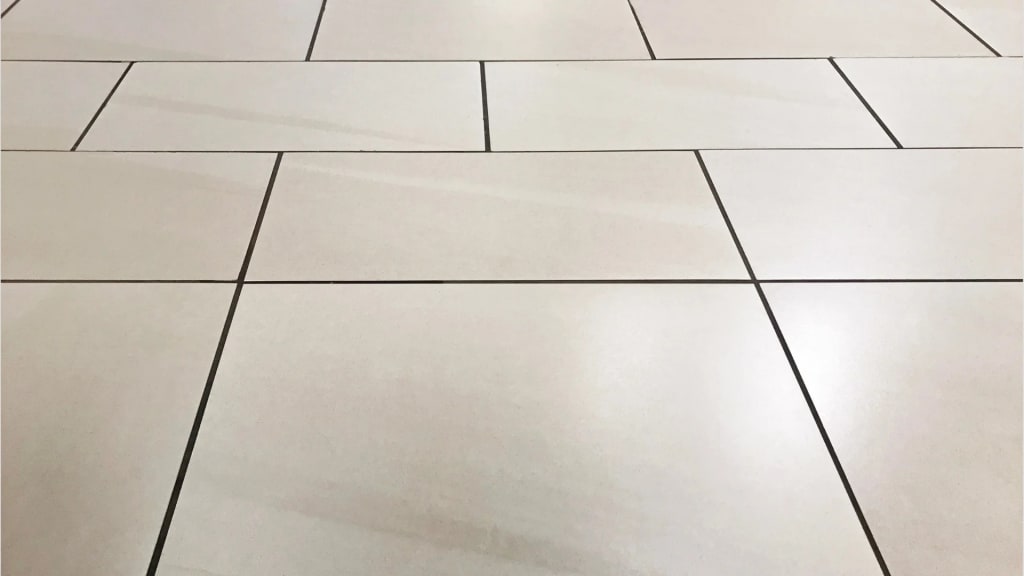
When installing porcelain tile flooring, the underlayment is a crucial component that is frequently disregarded. The underlayment significantly influences your tile floor's resilience, stability, and longevity. It can enhance moisture resistance and function as a cushion to reduce impact and prevent cracks. The right underlayment must be chosen for porcelain tiles to be installed with a polished and long-lasting finish. This article will cover the benefits of each underlayment choice for different subfloor types and installation environments, along with the top choices for porcelain tile flooring.
Best Underlayment Options For Porcelain Tile Flooring
Cement Backer Board
One of the most popular and effective underlays for porcelain tile flooring is a cement backer board. Its cement construction and fiberglass reinforcement provide a level, strong surface that is ideal for tiling.
Advantages:
- Durability: When porcelain tiles are placed on top of the cement backer board, their extreme durability prevents them from buckling or breaking.
- Moisture Resistance: Its water resistance makes it perfect for moist places like laundry rooms, kitchens, and bathrooms.
- Preventing Cracks: Backing boards help prevent tile cracks by giving the substrate a firm, stable surface that inhibits movement.
When to Use:
Cement backer boards can benefit tile installations on walls and floors. They're also great for wooden subfloors that may flex or shift over time. Because of their moisture resistance, cement backer boards are also perfect for damp areas.
Installation:
The backer board can be cut to the required size and fastened directly to the subfloor using screws and thin-set mortar. Seams should be sealed with more mortar and mesh tape to provide a continuous, smooth surface for tile installation.
2. Uncoupling Membranes
Uncoupling membranes, such as Ditra by Schluter, are becoming increasingly popular as underlayments for porcelain tile flooring. These membranes are designed to prevent cracks by allowing the subfloor and tiles to move independently of each other.
Advantages:
- Crack Prevention: An uncoupling membrane's primary purpose is to prevent tiles' cracks caused by movement in the subfloor.
- Moisture Barrier: These membranes also serve as a moisture barrier, keeping water from seeping into the subfloor and damaging it.
- Flexibility: Uncoupling membranes are flexible, making them ideal for installations over plywood, concrete, or other surfaces that may shift or expand.
When to Use:
An uncoupling membrane is particularly useful when installing tiles over concrete slabs or wood subfloors that are prone to expansion, contraction, or minor shifting. It's also a great choice for outdoor installations or areas that are frequently exposed to moisture.
Installation:
The membrane is installed over the subfloor using a layer of thin-set mortar. Once the membrane is in place, tiles can be installed directly on top of it using more mortar. This method is an excellent choice for DIY installations because it is simple and quick.
3. Foam or Cork Underlayment
Foam and cork underlayments are softer, more flexible options that provide excellent soundproofing and thermal insulation. While not as commonly used as cement backer boards or uncoupling membranes, they can be a great option in specific environments.
Advantages:
- Sound Insulation: Foam and cork underlayments are known for reducing noise, making them ideal for multi-level homes or apartments.
- Thermal Insulation: These materials help regulate temperature by providing a layer of insulation between the tiles and the subfloor.
- Eco-Friendly: As a renewable resource, cork is a good environmental choice.
When to Use:
Foam or cork underlayments are best suited for dry interior installations where sound and thermal insulation are priorities. They're commonly used in living rooms, bedrooms, and other areas where comfort and noise reduction are important.
Installation:
Foam or cork underlayments are typically installed by rolling out the material and adhering it to the subfloor using adhesive. Tiles are then laid directly on top using thin-set mortar. These materials should not be used in high-moisture areas unless a waterproof membrane is added.
4. Self-Leveling Underlayment
A self-leveling underlayment may be the best choice if your subfloor is uneven or has significant imperfections. This liquid compound is poured onto the subfloor to produce an extremely smooth surface.
Advantages:
- Perfectly Smooth Surface: A self-leveling underlayment ensures a smooth surface, reducing the risk of uneven tiles.
- Quick Application: The compound's liquid nature allows it to spread quickly and evenly, minimizing installation time.
- Compatibility: It can be used over various subfloors, including concrete, plywood, and even old tile.
When to Use:
Self-leveling underlayment is perfect for ensuring a level tile installation and repairing subfloor imperfections. It's especially helpful in older homes where the subflooring is damaged or uneven.
Installation:
After being combined, the liquid compound is poured onto the subfloor and allowed to level out. After it dries, tiles can be put directly on top using thin-set mortar.
Conclusion
Choosing the right underlayment is essential for a successful porcelain tile installation. Cement backer boards, uncoupling membranes, foam or cork underlayments, and self-leveling compounds all offer distinct advantages depending on your project's needs. By selecting the proper underlayment for your specific environment and subtype, you'll have a durable, professional-looking tile floor that lasts years.
About the Creator
Keep reading
More stories from writers in Lifehack and other communities.
Empowering Solo Adventures: Why the World Is Waiting to Be Your Playground
Solo travel opens the door to a level of freedom that reshapes how you experience the world. As you step into new places without relying on a companion, you begin to trust your instincts in ways you may never have before. This journey toward independence encourages you to listen to your inner voice, follow your curiosity, and explore with intention. As you grow more comfortable navigating unfamiliar environments, you discover a sense of empowerment that expands with every step you take.
By Aaron Khieuabout 20 hours ago in Lifehack
Analyse this!
Wanna know how to improve your writing? There is a simple, quick, tried and tested method. Tried and tested by who? By me, as it happens, and I can guarantee that it will work for you. I know what I am talking about. Not always, of course, but certainly in this case.
By Raymond G. Taylora day ago in Writers




Comments
There are no comments for this story
Be the first to respond and start the conversation.