
Fire Watch for High-Risk Facilities: Essential Protection Strategies for Industrial Operations
Fire Watch
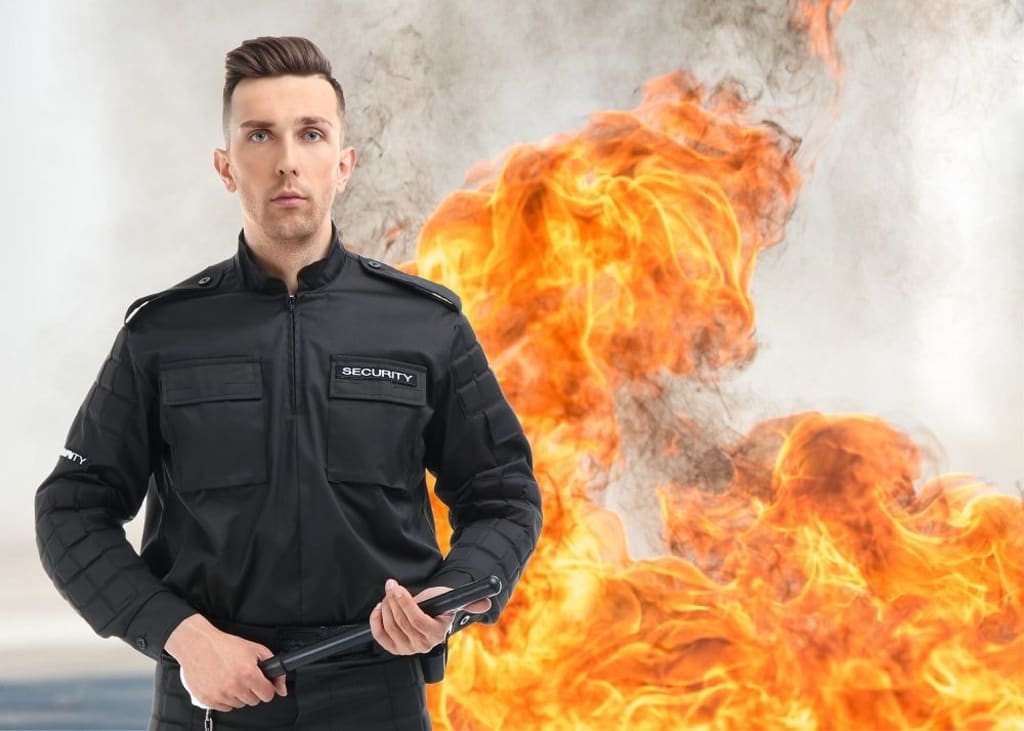
Industrial facilities represent some of the most challenging environments for fire safety management. From sprawling warehouses filled with combustible materials to factories housing heavy machinery and chemical processes, these spaces demand specialized attention to fire prevention and protection. Understanding how to implement effective fire watch protocols can mean the difference between a minor incident and a catastrophic loss that threatens both lives and livelihoods.
Understanding High-Risk Facilities and Their Unique Fire Challenges
High-risk facilities encompass a broad spectrum of industrial and commercial operations where the potential for fire incidents is significantly elevated. These environments typically include manufacturing plants, distribution centers, chemical processing facilities, power generation stations, and large-scale storage warehouses. What sets these facilities apart is the convergence of multiple fire hazards within a single operational space.
The architectural characteristics of these buildings often compound the risk factors. High ceilings create ample space for heat and smoke to accumulate, while extensive square footage allows fires to spread rapidly before detection. Many facilities feature open floor plans that facilitate the movement of flames and toxic gases, making traditional fire suppression systems less effective in the critical early stages of an incident.
Identifying Specific Fire Hazards in Industrial Settings
Every high-risk facility presents its own unique combination of fire hazards, but certain common elements appear across most industrial environments. Combustible materials stored in bulk quantities create significant fuel loads that can sustain large fires. These materials might include packaging materials, raw goods, finished products, or chemical substances essential to manufacturing processes.
Electrical systems in industrial facilities face constant stress from heavy machinery, creating potential ignition sources throughout the facility. Aging wiring, overloaded circuits, and equipment that generates heat during normal operation all contribute to the fire risk profile. The presence of flammable liquids and gases in many manufacturing processes adds another layer of complexity to fire prevention efforts.
Human factors also play a crucial role in fire safety. Employee activities such as welding, cutting, or other hot work operations can introduce immediate fire risks if not properly managed. Even routine maintenance activities can create dangerous situations when performed near combustible materials or in areas with inadequate fire protection systems.
The Critical Role of Fire Watch in Industrial Fire Prevention
Fire watch services serve as an essential layer of protection that complements existing fire safety systems in high-risk facilities. Unlike automated fire suppression systems that activate after a fire has started, fire watch personnel provide proactive monitoring that can identify and address potential fire hazards before they escalate into emergencies.
Professional fire watch teams maintain constant vigilance over areas where fire risks are temporarily elevated, such as during hot work operations or when fire protection systems are offline for maintenance. These trained observers understand the specific hazards present in industrial environments and can quickly identify warning signs that might escape the notice of untrained personnel.
The presence of fire watch personnel also ensures immediate response capability when emergencies occur. While waiting for local fire departments to arrive, trained fire watch guards can implement initial containment measures, assist with evacuation procedures, and provide critical information to emergency responders about the facility layout and potential hazards.
Integrating Fire Watch with Comprehensive Safety Systems
Effective fire safety in high-risk facilities requires a multi-layered approach that combines automated systems, manual oversight, and emergency response protocols. Fire watch services should be viewed as an integral component of this comprehensive safety strategy rather than a standalone solution. When properly integrated, fire watch personnel can monitor areas where automatic systems may be less effective, such as outdoor storage areas or spaces with unique architectural features.
The coordination between fire watch teams and facility management creates opportunities for continuous improvement in fire safety protocols. Regular communication allows for real-time adjustments to safety procedures based on changing conditions within the facility. This dynamic approach ensures that fire safety measures remain effective even as operational requirements evolve.
Modern fire watch services also incorporate technology to enhance their effectiveness. Digital reporting systems allow for real-time documentation of safety observations, while communication devices ensure rapid coordination with facility management and emergency services when necessary. These technological tools complement the human expertise of trained fire watch personnel, creating a more robust safety net for high-risk operations.
Implementing Fire Watch Protocols in Your Facility
Establishing effective fire watch procedures begins with a comprehensive assessment of facility operations and fire risks. This evaluation should identify specific areas where fire watch services provide the greatest benefit, such as locations with elevated fire hazards or situations where normal fire protection systems are compromised. The assessment should also consider operational schedules, as many industrial facilities operate around the clock and may require fire watch coverage during specific high-risk periods.
Developing clear protocols for fire watch implementation ensures consistent and effective service delivery. These protocols should define when fire watch services are required, what specific activities fire watch personnel should perform, and how their observations should be documented and communicated. Regular training for both fire watch personnel and facility staff helps maintain high standards of safety awareness and emergency preparedness.
Documentation plays a crucial role in successful fire watch programs. Detailed records of fire watch activities, observations, and any incidents provide valuable information for improving safety protocols over time. These records also demonstrate compliance with regulatory requirements and insurance provisions, which can be important for facility operations and risk management.
Building a Culture of Fire Safety Awareness
Creating a comprehensive fire safety culture extends beyond implementing specific procedures or hiring fire watch services. It requires ongoing commitment from facility management to prioritize fire safety in all operational decisions. This cultural approach ensures that fire prevention remains a central consideration even as business needs and operational requirements change.
Regular training and education programs help maintain high levels of fire safety awareness among all facility personnel. These programs should cover not only basic fire prevention techniques but also facility-specific hazards and emergency response procedures. When employees understand their role in fire prevention and feel empowered to report potential hazards, the overall safety of the facility improves significantly.
The investment in professional fire watch services and comprehensive fire safety programs ultimately protects not only the physical facility and its contents but also the people who work there and the surrounding community. By taking proactive steps to prevent fires and prepare for emergencies, high-risk facilities demonstrate their commitment to responsible operations and community safety.
For facilities seeking to enhance their fire safety protocols, professional fire watch services offer specialized expertise and dedicated attention to fire prevention. These services provide the human element that complements technological fire protection systems, creating a comprehensive approach to fire safety that addresses the unique challenges present in high-risk industrial environments.
About the Creator
Keep reading
More stories from Shazad Khan and writers in Lifehack and other communities.
5 Simple Lifehacks to Keep Your Teeth Healthy Every Day
Healthy teeth aren’t just about occasional dental visits—they’re shaped by the little choices you make every day. Simple habits, when done consistently, can prevent cavities, gum issues, sensitivity, and other oral concerns while keeping your smile bright and comfortable. These lifehacks are easy to integrate into your routine and don’t require drastic lifestyle changes.
By Smile Sydney3 days ago in Lifehack
A Knight of the Seven Kingdoms Series Review (Season 1)
As one of the biggest properties in fantasy, A Song of Ice and Fire remains immensely popular with audiences. After reaching far into the past with House of the Dragon, a second spin-off was on the cards. A Knight of the Seven Kingdoms serves up a bite-sized slice of action and drama, but it still claims a spot among the best small-screen titles.
By Robert Cain7 days ago in Geeks



Comments
There are no comments for this story
Be the first to respond and start the conversation.