
Fire Fighting Equipment Maintenance Schedule: How to Stay Compliant and Prepared
A Complete Guide to Servicing Fire Equipment and Ensuring Safety and Compliance

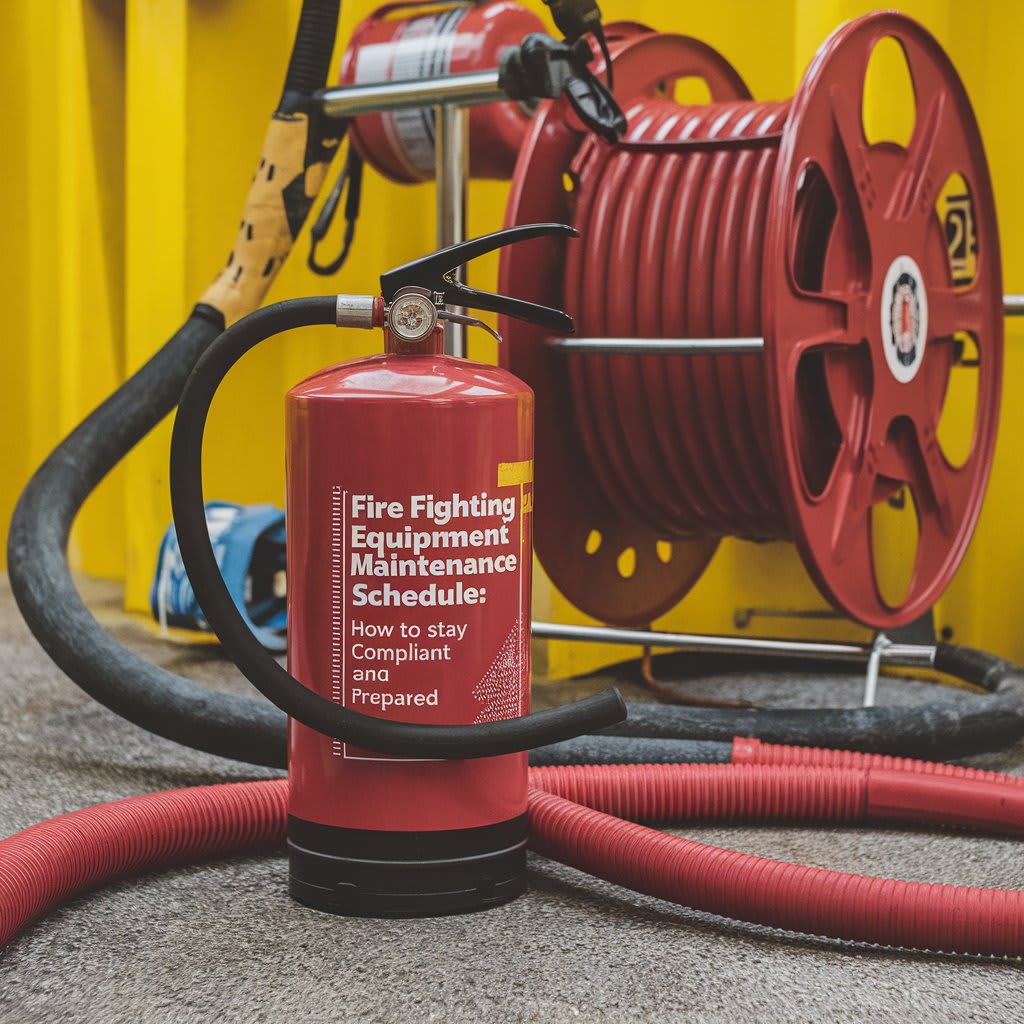
Maintenance of your fire fighting equipment regularly in terms of safety and regulation is essential. Well-arranged fire fighting equipment maintenance timetables maintain your systems on full capacity once the crisis arrives. Lapsing in fire equipment maintenance periodically can lead to equipment failure during the period they are needed the most, placing lives and assets at risk. We will discuss why fire equipment needs to be serviced, recommended service intervals, and preparing and staying compliant in this article.
Why Fire Equipment Maintenance Matters
Fire equipment maintenance puts all of the equipment in operational condition. It avoids breakdowns and saves you money on costly repair or even replacement. Regular fire equipment maintenance also keeps your company in conformity with your local fire safety codes, safeguarding your company from legal consequences and sanctions.
Additionally, well-maintained fire fighting equipment provides peace of mind. Knowing your fire extinguishers, alarms, sprinklers, and other systems are ready for action minimizes the risk of injury and property damage.
Key Components of Fire Fighting Equipment Maintenance
A comprehensive fire fighting equipment maintenance schedule includes regular checks and servicing of fire equipment safety tools. Let’s look at the main components:
1. Fire Extinguisher Service
Fire extinguishers are your first line of defense for small fires. To maintain them in working condition:
- Monthly Check: Pressure gauges, seals, and overall condition.
- Annual Inspection: A trained technician is required to inspect the extinguisher for damage, corrosion, and proper pressure.
- Hydrostatic Testing: 5 to 12 years, extinguishers need to be pressure tested to ensure cylinder integrity.
2. Fire Alarm Systems
Fire alarms provide early warning and save lives. Their maintenance should include:
- Weekly Tests: Check alarm sounds are functioning properly and light signals are operational.
- Quarterly Inspections: Check battery levels, wiring, and sensor operation.
- Annual Professional Servicing: Use a professional to check system operation and fix issues.
3. Sprinkler Systems
Automatic sprinkler systems play a critical role in combating fires. Maintenance processes are as follows:
- Monthly Visual Checks: Check nothing is covering sprinkler heads.
- Quarterly Flow Tests: Check water pressure and flow rates meet safety standards.
- Annual Inspections: A competent technician must check and maintain valves, pipes, and control systems.
4. Emergency Lighting
Emergency lighting during a power failure guides people to safety. Ensure:
- Monthly Testing: Check lights to confirm they light up and stay lit for the recommended duration.
- Annual Inspections: A technician must check battery function and bulb uniformity.
Creating a Fire Fighting Equipment Maintenance Schedule
A maintenance order schedule ensures your security equipment is current and operational. Follow these steps to create one:
- List All Equipment: Write down fire extinguishers, alarms, sprinklers, and emergency lights.
- Schedule Maintenance Tasks: Determine who inspects and tests them and services the fire equipment.
- Plan a Timeframe: Set monthly, quarterly, and annual inspections according to needs.
- Take Records: Keep a record of each inspection and maintenance of the fire equipment to ensure compliance and accountability.
- Review and Update: Review your schedule on a regular basis and update it as such.
Remaining in Compliance and Ready
Compliance with a fire fighting equipment maintenance schedule will keep your facility up to code in terms of safety. Remain up to date on local fire codes and industry standards. Working with an experienced fire equipment maintenance service company will ensure proper and correct maintenance.
Fire equipment maintenance protects lives, property, and the reputation of your business. Fire safety initiative prepares you for an emergency scenario and according to safety standards.
Conclusion
A well-maintained fire protection system is essential to successful emergency response. A strict fire fighting equipment maintenance schedule minimizes risk and avoids non-compliance. You safeguard your property and everyone in it by investing in regular fire equipment maintenance and professional fire extinguisher service. Be ready, be safe, and maintain your fire protection systems.
About the Creator
Deborah Larson
Deborah Larson is a professional writer and lifelong learner who shares her knowledge, insights and creative thoughts through her blog.
Keep reading
More stories from Deborah Larson and writers in Lifehack and other communities.
Fire Extinguisher Maintenance: Why Regular Checks Can Save Lives
Fire extinguishers are one of those things you don’t think about until you really need them—and by then, it’s too late to realize they aren’t working. Whether it’s a home, office, or warehouse, safety should always be a top priority. Proper servicing of fire equipment isn’t just a good habit; it’s a life-saving necessity. Here’s why keeping your fire extinguishers in top shape is a must and how it all ties into overall fire safety.
By Deborah Larsonabout a year ago in Lifehack
How AI-Native Browsers are Redefining Digital Freedom and Productivity in 2026
The Evolution of the Modern Browser By 2026, the concept of a web browser has expanded far beyond its original purpose of simply loading web pages. Over the past decade, the internet has evolved into a highly dynamic environment where users manage businesses, automate workflows, and interact with complex digital ecosystems directly from their browsers.
By Shahid Sipra6 days ago in Lifehack


Comments
There are no comments for this story
Be the first to respond and start the conversation.