
Exploring the History of Gummy Candy Flavors and the Rise of Sour Treats
Exploring the History of Gummy Candy Flavors and the Rise of Sour Treats

Introduction
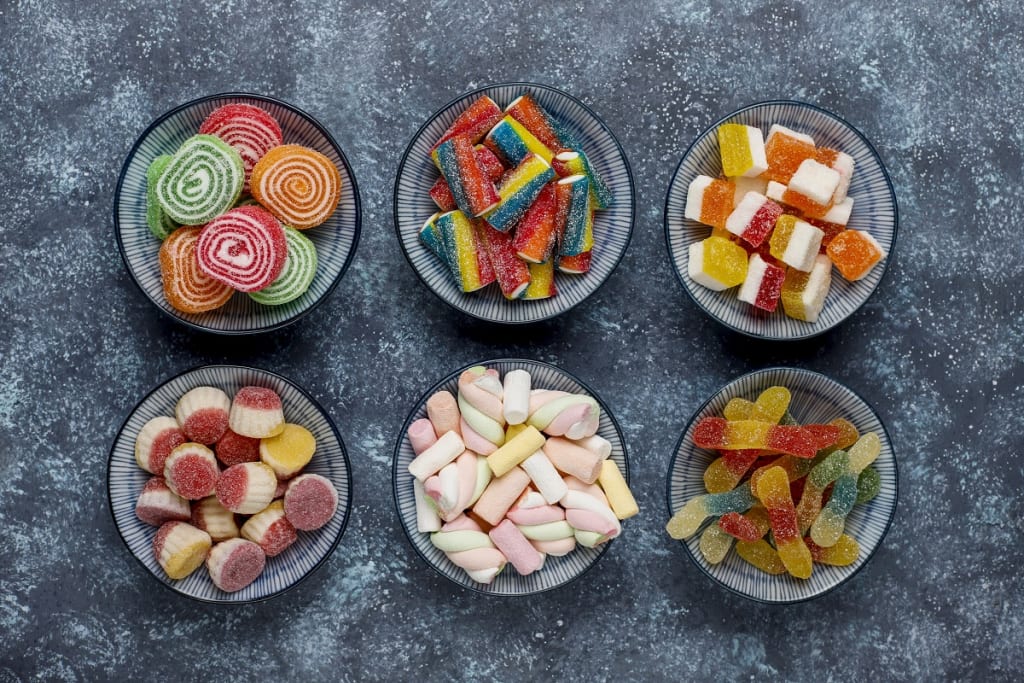
From sweet and fruity to sour and tangy, gummy candy has evolved over the years to offer various flavours to satisfy everyone's taste buds. This article explores the history and evolution of gummy candy flavours, from the early days of simple flavours to the emergence of sour and sweet combinations.
The Early Days of Gummy Candy
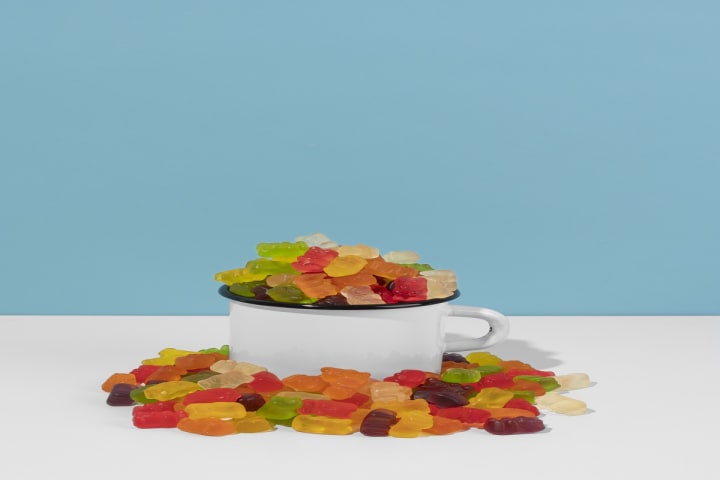
Gummy candy, also known as jelly candy, is a type of candy made with gelatin, sugar, and flavourings. It was first introduced in the early 1900s in Germany and quickly gained popularity due to its unique texture and sweet taste. As time went on, the flavours of gummy candy began to evolve, leading to the diverse range of flavours we see today.
In the early days of gummy candy, the flavours were simple, with only a few options available. The first gummy candies were fruit-flavoured, with strawberry, raspberry, and lemon being the most popular flavours. They were made using a simple process that involved boiling sugar and gelatin together and then adding flavourings.
The Emergence of Sour Flavors
As gummy candy became more popular, fruit flavours continued to dominate the market. However, in the 1980s, a new flavour emerged - sour. The first sour gummy candy was introduced in the United States and quickly became a hit with consumers. The tart, tangy flavour was a refreshing change from the traditional sweet flavours of gummy candy.
The Sweet and Sour Trend
Today, sweet and sour combinations are the trend, with flavours like watermelon, cherry, and apple being some of the most popular. The use of technology has also impacted gummy candy flavours, with new and exciting flavour combinations being developed all the time. Social media has also played a role in the popularity of gummy candy, with people sharing their love for their favourite flavours online.
Gummy candy is not just a tasty treat - it also has cultural significance. In popular culture, gummy candy has been featured in movies and TV shows, and it is often associated with childhood nostalgia. In different cultures, gummy candy is used in celebrations and as a symbol of good luck.
The Future of Gummy Candy Flavors
Looking to the future, the potential for new and exciting gummy candy flavours is endless. With the use of new technology, such as 3D printing, companies can create intricate designs and unique flavour combinations. The importance of innovation in the gummy candy industry cannot be overstated, as consumers are always looking for something new and exciting.
Conclusion
In conclusion, the evolution of gummy candy flavours has been an interesting journey, from the early days of simple fruit flavours to the emergence of sour and sweet combinations. Gummy candy has become more than just candy - it is a cultural phenomenon with a place in popular culture and nostalgia. The future of gummy candy flavours looks bright, with the potential for new and exciting flavours to be developed using technology and innovation.
FAQs
Q.1 What is gummy candy?
A. Gummy candy is a type of candy made with gelatin, sugar, and flavourings.
Q.2 What were the first gummy candy flavours?
A. The first gummy candies were fruit-flavoured, with strawberry, raspberry, and lemon being the most popular flavours.
Q.3 What is the most popular sour gummy candy flavour?
A. The most popular sour gummy candy flavour is probably sour apple or sour watermelon.
Q.4 How has technology impacted gummy candy flavours?
A. Technology has allowed for the creation of new and unique gummy candy flavours, as well as intricate designs and shapes.
Q.5 What is the future of gummy candy flavours?
A. The future of gummy candy flavours looks bright, with the potential for new and exciting flavours to be developed using technology and innovation.
About the Creator
Lily James
I am blessed with a funny gene that makes me enjoy life to the fullest.
Keep reading
More stories from Lily James and writers in Lifehack and other communities.
The Importance of Choosing the Right Mobile Case for Your Phone
Mobile phones have become an integral part of our daily lives. We use them for communication, entertainment, and even work. With the increasing importance of mobile phones, it's essential to take good care of them. One of the easiest ways to do this is by investing in a good quality mobile case. Choosing the right mobile case is not just about adding a personal touch to your phone, but it's also about protecting your investment. In this article, we'll explore the importance of choosing the right mobile case for your phone and provide tips on how to select the best one for your needs.
By Lily James3 years ago in Lifehack
What Your Grandmother Knew about Gold that Wall Street Forgot
My grandmother kept her gold bangles in a faded velvet pouch at the back of her wardrobe. Not in a safe, not in a bank vault, just tucked between old shawls and photographs. When I asked her once why she bothered keeping them, she looked at me like I'd asked why the sky was blue.
By Marcus Briggs6 days ago in Lifehack
Center Stage with Paul Stewart
*** I'm keen to republish the interviews I did for my series with Vocal creators. It's been a few years and I thought it might be nice to revisit these wonderful conversations. I'll be releasing them one at a time for a few weeks/months.
By Heather Hubler4 days ago in Interview




Comments
There are no comments for this story
Be the first to respond and start the conversation.