
Exploring Tea Ceremonies Around the World
Tea Ceremonies

Introduction
Tea is more than just a beverage; it’s a cultural cornerstone that weaves stories of tradition, hospitality, and mindfulness across the globe. From the serene rituals of Japan to the vibrant gatherings in Morocco, tea ceremonies offer a window into the heart of diverse cultures. Whether you’re a tea enthusiast or simply curious about global traditions, these rituals reveal how a simple cup of tea can foster connection and celebration.
The Japanese Tea Ceremony: A Dance of Mindfulness
The Japanese tea ceremony, known as Chanoyu or Chado (the Way of Tea), is a masterpiece of precision and spirituality. Rooted in Zen Buddhism, it emphasizes harmony, respect, purity, and tranquility. The ceremony, often held in a minimalist tea house called a chashitsu, involves the meticulous preparation and serving of matcha, a powdered green tea. Every gesture—from whisking the matcha to presenting the tea bowl—is choreographed to create a meditative experience. Guests are invited to appreciate the moment, the aesthetics of the tea utensils, and the simplicity of the setting, embodying the wabi-sabi philosophy of finding beauty in imperfection. This ritual is not just about drinking tea but about cultivating mindfulness and connection.
Chinese Gongfu Cha: The Art of Tea
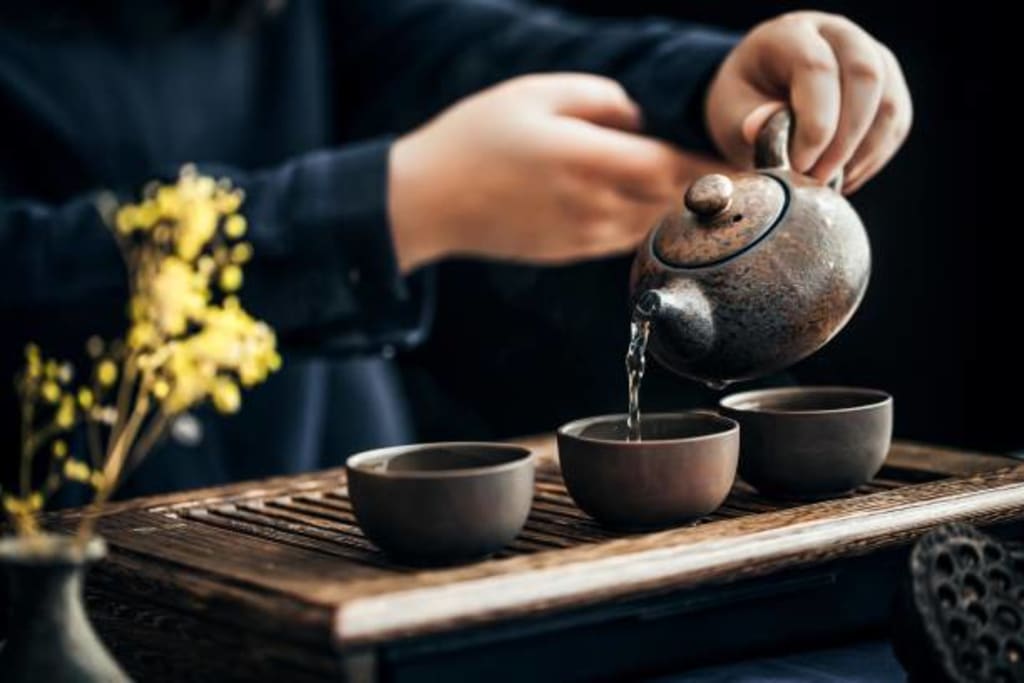
China, the birthplace of tea, offers the Gongfu Cha ceremony, a practice that celebrates the artistry of tea-making. Unlike the Japanese focus on matcha, Gongfu Cha highlights loose-leaf teas like oolong or pu-erh, brewed in small clay teapots to reveal evolving flavors through multiple infusions. The ceremony uses a gaiwan (a lidded bowl) and tiny cups to savor the tea’s aroma and taste. Backyard Brew notes that Gongfu Cha is a social and meditative experience, encouraging conversation and appreciation of the tea’s nuances. Tea ceremonies like Gongfu Cha reflect China’s ancient tea culture, dating back over 2,000 years, and remain a cherished tradition for fostering mindfulness and community. Whether in a formal setting or a casual gathering, this ritual elevates tea to an art form.
British Afternoon Tea: A Social Delight
In the United Kingdom, afternoon tea is a beloved tradition that blends elegance with indulgence. Originating in the 1840s, when Anna, the 7th Duchess of Bedford, introduced it to bridge the gap between lunch and late dinner, afternoon tea has become a cultural hallmark. Served between 3 and 5 p.m., it features black teas like English Breakfast, accompanied by finger sandwiches, scones with clotted cream and jam, and an array of pastries. Backyard Brew highlights its social nature, where friends and family gather in tea rooms or gardens to enjoy conversation and treats. Online tea shop platforms, like Backyard Brew, make it easy to recreate this experience at home with premium loose-leaf teas, ensuring you capture the charm of British tea culture.
Moroccan Mint Tea: A Symbol of Hospitality
Morocco’s mint tea ceremony, known as atay, is a vibrant expression of hospitality and generosity. This ritual involves brewing green tea (often gunpowder) with fresh mint leaves and sugar in a decorative silver teapot called a berrad. The tea is poured from a height to create a frothy layer, a technique that cools the tea and enhances its flavor. Backyard Brew emphasizes that in Morocco, offering tea to guests is a sign of respect and warmth, often accompanied by nuts or sweets. The ceremony is lively, with rhythmic pouring and colorful glassware, reflecting Morocco’s rich cultural tapestry. This tradition underscores tea’s role as a universal language of welcome.
Indian Chai: A Spicy Social Staple
In India, chai is more than a drink—it’s a way of life. Brewed with black tea, milk, sugar, and a blend of spices like cardamom, ginger, and cinnamon, chai is a comforting staple found everywhere from bustling street stalls to quiet homes. Backyard Brew notes that chai is often prepared by chai wallahs, who skillfully mix and froth the tea for a creamy texture. While not as formal as other tea ceremonies, chai gatherings are deeply social, bringing people together over shared cups and conversation. Rooted in Ayurvedic traditions, chai is believed to aid digestion and balance energies, making it both delicious and healthful.
Conclusion
Tea ceremonies around the world are a testament to tea’s power to connect people and cultures. From the meditative precision of Japan’s Chanoyu to the warm hospitality of Morocco’s mint tea, each ritual offers a unique perspective on tradition and community. Backyard Brew’s exploration of these ceremonies inspires us to appreciate tea not just as a beverage but as a cultural experience. Whether you’re sipping matcha in a quiet tea house or enjoying chai with friends, these traditions remind us to slow down and savor the moment. Explore these rituals with Backyard Brew’s premium teas, and bring the world’s tea cultures into your home.
FAQs
1. What is the purpose of a tea ceremony?
Tea ceremonies celebrate tea as a cultural and spiritual practice, fostering mindfulness, hospitality, and connection, with each culture adding its unique values.
2. How does the Japanese tea ceremony differ from the Chinese one?
The Japanese Chanoyu focuses on matcha and Zen-inspired mindfulness, while Chinese Gongfu Cha emphasizes loose-leaf teas and multiple infusions for social enjoyment.
3. Can I recreate these tea ceremonies at home?
Yes! With quality teas from an online tea shop like Backyard Brew and the right accessories (e.g., teapot, gaiwan, or whisk), you can adapt these rituals for home use.
4. What teas are best for Moroccan mint tea?
Green teas, like gunpowder, paired with fresh mint and sugar, are ideal for authentic Moroccan mint tea, as recommended by Backyard Brew.
5. Is chai always spicy?
Not always, but traditional Indian chai includes spices like cardamom and ginger for its signature flavor, though recipes vary by region and preference.
About the Creator
Backyard Brew
Since 2016, Backyard Brew has been crafting unique coffee and tea blends that bring comfort and joy to every cup. Experience our local touch in every sip.
Reader insights
Outstanding
Excellent work. Looking forward to reading more!
Top insight
Heartfelt and relatable
The story invoked strong personal emotions
Keep reading
More stories from Backyard Brew and writers in Lifehack and other communities.
Brazil Decaf: Your Guilt-Free Coffee Indulgence
Introduction Imagine savoring the rich, comforting taste of coffee without the jitters or sleepless nights. That’s the magic of decaf coffee, and when it comes from Brazil, it’s an experience like no other. Brazil Decaf offers the perfect balance of flavor and health, making it a favorite for coffee lovers who want to enjoy their brew without the caffeine buzz. In this post, we’ll take you on a journey through the origins of Brazil Decaf, its unique flavor profile, the health benefits it offers, and how to brew the perfect cup. Whether you’re a decaf devotee or just curious about this guilt-free indulgence, you’re in for a treat.
By Backyard Brew10 months ago in Lifehack
Understanding BMI and Healthy Weight: A Guide to Smart Health Monitoring
In today's fast-paced world, many people are trying to live healthier lives, yet they often overlook one of the simplest indicators of their overall health — body weight awareness. Between busy schedules, processed foods, and limited physical activity, it has become easier than ever for people to lose track of their physical well-being.
By Backlinks Cart6 days ago in Lifehack
Self-Discipline Is the Power That Changes Everything
Self-discipline is often described as the quiet force behind every meaningful achievement. While talent and opportunity may open doors, discipline is what keeps those doors from closing. It is not a dramatic or flashy quality. Instead, it is a steady commitment to doing what must be done, even when motivation fades or distractions appear.
By Sathish Kumar a day ago in Lifehack
Hottest in the Office
Dear Rafi, You’re very distracting to work around. For the first second I saw you the other day, I thought you were some type of executive. It took a moment to realize no, you were just the new guy, dressed up for the job he wants. Be still, my heart.
By Gabriel Shames4 days ago in Pride



Comments (1)
Experiencing a traditional Japanese tea ceremony is one of the most meaningful ways to understand Japanese culture—and this article beautifully explains the history and philosophy behind it. 🍵 I love how it highlights not just the ritual, but also the mindfulness and intention that go into every movement. For anyone planning a trip to Kyoto or Tokyo, joining an authentic tea ceremony like the one at Maikoya is an unforgettable experience—perfect for solo travelers, couples, or families looking to connect with Japan’s cultural roots. Highly recommend! 🇯🇵✨