
Explore the Great Pyramid of Giza: History and Secrets Revealed
The Great Pyramid of Giza is one of the most extraordinary monuments of ancient history. Standing on the Giza Plateau near Cairo, Egypt, it has fascinated historians, archaeologists, and visitors for centuries.
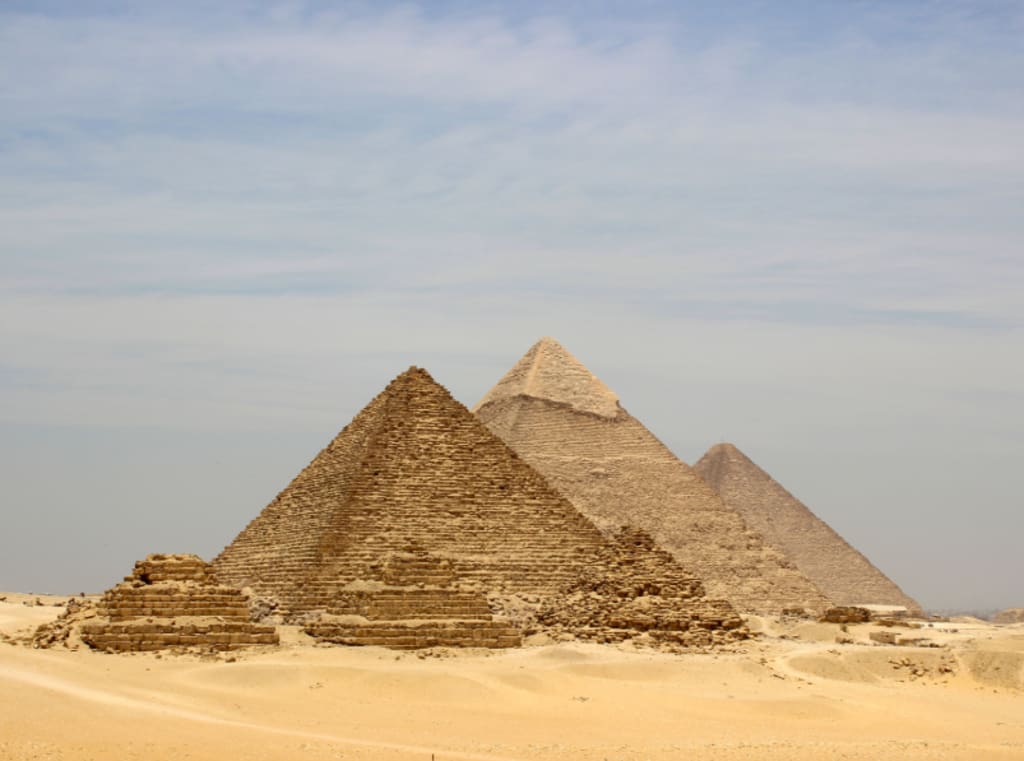
The Great Pyramid of Giza is one of the most extraordinary monuments of ancient history. Standing on the Giza Plateau near Cairo, Egypt, it has fascinated historians, archaeologists, and visitors for centuries. Built during the Fourth Dynasty of ancient Egypt, this architectural marvel is the oldest and only surviving structure of the Seven Wonders of the Ancient World. More than just a massive tomb, it holds many mysteries, combining history, engineering feats, and spiritual significance.
The History of the Great Pyramid of Giza
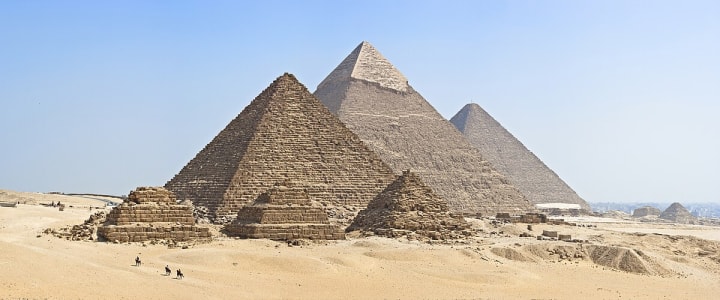
The Great Pyramid was constructed around 2560 BCE during the reign of Pharaoh Khufu, also known as Cheops. It served as his tomb and a lasting testament to his power and divine status. The pyramid was part of a larger funerary complex that included smaller pyramids for his queens, temples, and a causeway leading to the Nile. At its peak, the pyramid stood 146 meters (481 feet) tall, making it the tallest man-made structure in the world for nearly 3,800 years.
The construction of the Great Pyramid reflects the ancient Egyptians’ remarkable organizational skills and advanced understanding of mathematics and astronomy. It took around 20 years to complete, with thousands of laborers working tirelessly to bring Khufu’s vision to life. Today, the pyramid remains an enduring symbol of ancient Egyptian civilization and one of the most visited sites in the world.
Architectural Marvel and Engineering Feats
The Great Pyramid’s construction has long been a subject of fascination and debate. Built with an estimated 2.3 million limestone and granite blocks, some weighing up to 80 tons, it is a testament to the ingenuity and skill of ancient engineers. The blocks were precisely cut and fitted together without the use of modern tools or technology, showcasing unparalleled craftsmanship.
One of the most intriguing aspects of the Great Pyramid of Gizza is its alignment. It is almost perfectly oriented to the cardinal points—north, south, east, and west—a precision that even modern builders would struggle to replicate. The interior of the pyramid consists of a network of passageways and chambers, including the King’s Chamber, Queen’s Chamber, and the enigmatic Grand Gallery. Each of these architectural elements was carefully designed to serve a specific function in Khufu’s journey to the afterlife.
Mysteries and Secrets Hidden Within
The Great Pyramid is not just a tomb; it is a structure filled with secrets and mysteries that continue to puzzle experts. One of the biggest mysteries is how the ancient Egyptians managed to transport and lift the massive stone blocks into place. Theories range from straight ramps to spiral ramps and advanced engineering techniques lost to history.
Inside the pyramid, there are several narrow shafts that lead to the exterior. These shafts were initially thought to be ventilation passages, but some scholars believe they had a symbolic purpose, possibly aligning with specific stars to help guide the pharaoh’s soul to the afterlife. In recent years, modern technology such as ground-penetrating radar and thermal imaging has revealed previously unknown voids within the pyramid, sparking new theories about hidden chambers or undiscovered treasures.
Symbolism and Spiritual Significance
The Great Pyramid of Giza was deeply connected to ancient Egyptian religious beliefs. The pyramid’s shape was symbolic, representing the rays of the sun and serving as a stairway to the heavens. The pharaoh was believed to ascend to the afterlife and join the gods, particularly the sun god Ra. The pyramid’s alignment with the stars and its placement on the Giza Plateau were carefully chosen to reflect this cosmic connection.
The ancient Egyptians viewed the pyramid as more than just a physical structure; it was a spiritual gateway. Every aspect of its design, from its internal chambers to its orientation, was meant to ensure the pharaoh’s safe passage into eternity. This spiritual significance makes the Great Pyramid a powerful monument that continues to inspire awe and reverence.
Exploring the Pyramid Today
Today, the Great Pyramid of Giza is a UNESCO World Heritage Site and one of the most popular tourist destinations in the world. Visitors can explore the exterior and, for those seeking a deeper experience, enter the pyramid’s inner chambers. The Grand Gallery, with its soaring ceiling, leads to the King’s Chamber, a solemn and awe-inspiring space. Although the pyramid’s treasures have long been removed, the sense of history and mystery is palpable.
Near the Great Pyramid, visitors can also explore the surrounding structures, including the Pyramid of Khafre, the Pyramid of Menkaure, and the iconic Great Sphinx. The Solar Boat Museum houses a reconstructed ancient boat that was buried near the pyramid, believed to be used by Khufu in the afterlife.
Preservation and Modern Discoveries
Preserving the Great Pyramid is an ongoing challenge. Natural erosion, environmental factors, and the impact of millions of tourists have taken their toll on the ancient structure. The Egyptian government and international organizations have implemented measures to protect the pyramid, balancing tourism with conservation efforts.
In recent years, modern technology has played a crucial role in preserving and understanding the pyramid. Innovative techniques like 3D scanning and thermal imaging have helped researchers map the pyramid’s interior and monitor its condition. These advancements have also led to exciting discoveries, such as the detection of previously unknown chambers that may hold new insights into ancient Egyptian civilization.
Step Back in Time at the Great Pyramid of Giza
The Great Pyramid of Giza stands as a timeless symbol of ancient Egypt's grandeur and ingenuity. Located on the Giza Plateau near Cairo, this extraordinary structure is the last surviving wonder of the Seven Wonders of the Ancient World. Built over 4,500 years ago, it has captivated historians, archaeologists, and tourists alike with its remarkable architecture and mysterious history. A visit to the Great Pyramid offers a chance to step back in time and witness one of the greatest achievements of human civilization.
A Glimpse into Ancient History
Constructed during the reign of Pharaoh Khufu (also known as Cheops) in the Fourth Dynasty around 2560 BCE, the Great Pyramid was built as a tomb for the king. It was the centerpiece of a vast funerary complex that included smaller pyramids for Khufu’s queens, mortuary temples, and an extensive causeway leading to the Nile. At its peak, the pyramid stood 146 meters (481 feet) tall, making it the tallest man-made structure in the world for nearly 4,000 years.
The Great Pyramid was not just a monumental tomb but a symbol of power and a reflection of the ancient Egyptians’ belief in the afterlife. Every aspect of its construction, from the alignment with the cardinal points to the intricate interior chambers, was designed to guide the pharaoh’s soul on its journey to eternity. This extraordinary feat of engineering remains one of the greatest testaments to the ancient Egyptians’ advanced knowledge and skills.
The Architectural Wonder
The Great Pyramid of Giza is an architectural masterpiece that continues to baffle experts. Built with an estimated 2.3 million limestone and granite blocks, some weighing up to 80 tons, its construction is still shrouded in mystery. The precision with which the pyramid was built is astounding. Each side of the base is almost perfectly aligned with the cardinal directions—north, south, east, and west.
Inside the pyramid, a network of passageways and chambers showcases the complexity of its design. The King’s Chamber, constructed from massive granite blocks transported from Aswan, lies at the heart of the pyramid. The Grand Gallery, a towering corridor leading to the King’s Chamber, is another architectural marvel that demonstrates the ancient Egyptians’ engineering prowess. Despite the many theories surrounding its construction, the exact techniques used to build the Great Pyramid remain a subject of debate.
Unraveling the Mysteries
The Great Pyramid is a monument steeped in mystery. Scholars and archaeologists have spent centuries trying to uncover its secrets, and new discoveries are still being made today. One of the most enduring mysteries is how the ancient Egyptians managed to move and position the massive stone blocks with such precision. Theories range from the use of straight and spiral ramps to more advanced methods that remain unknown.
Another intriguing aspect of the pyramid is its connection to the stars. Many researchers believe that the pyramid was designed with celestial alignment in mind, reflecting the ancient Egyptians’ belief in the afterlife and their connection to the cosmos. The narrow shafts leading from the King’s Chamber and Queen’s Chamber have been the focus of much speculation, with some suggesting they were meant to guide the pharaoh’s soul to the stars.
The Surrounding Complex
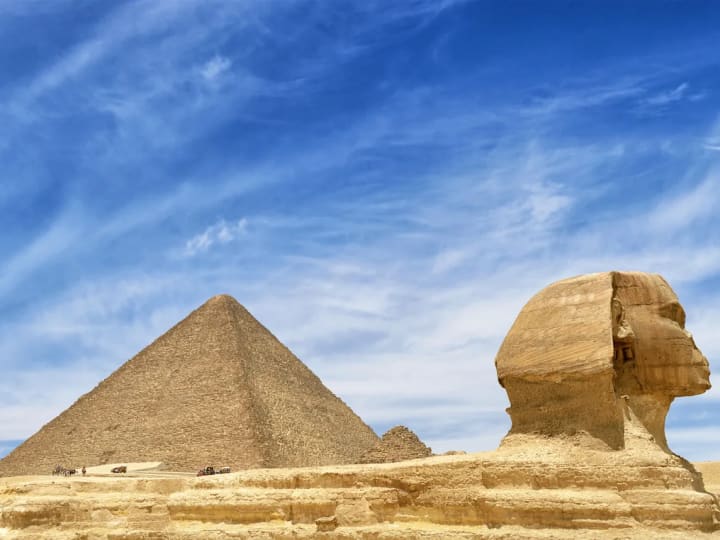
The Great Pyramid is part of a larger complex that offers even more insights into ancient Egyptian culture and architecture. Nearby, the Pyramid of Khafre and the Pyramid of Menkaure stand as enduring symbols of the Fourth Dynasty. The Great Sphinx of Giza, a colossal statue with the body of a lion and the head of a pharaoh, guards the plateau and adds to the mystery of the site.
Visitors can also explore the Solar Boat Museum, which houses a reconstructed wooden boat believed to have been used in Khufu’s funerary rituals. This well-preserved artifact provides a rare glimpse into the ancient Egyptians’ shipbuilding techniques and their belief in the journey to the afterlife.
A Timeless Experience for Visitors
A visit to the Great Pyramid of Giza is like stepping into a time machine. As you stand before this ancient wonder, it’s impossible not to feel a sense of awe and wonder. The scale of the pyramid, combined with its rich history and architectural brilliance, leaves a lasting impression on all who see it. For those who want to delve deeper, guided tours provide fascinating insights into the pyramid’s history, construction, and mysteries.
To make the most of your visit, it’s best to go during the cooler months between November and February. Arriving early in the morning allows you to avoid the crowds and experience the site in a more serene setting. Be sure to wear comfortable shoes and bring plenty of water, as exploring the complex requires a fair amount of walking.
Preservation and Modern Challenges
Preserving the Great Pyramid is a monumental task. Over the centuries, it has faced threats from natural erosion, human activity, and environmental factors. Efforts by the Egyptian government and international organizations have helped protect and conserve this ancient treasure. Advanced technologies such as 3D mapping and thermal imaging are now being used to monitor the pyramid’s condition and detect hidden voids within its structure.
Despite these challenges, the Great Pyramid continues to stand as a beacon of history and a source of inspiration for people around the world. Its enduring legacy reminds us of the ingenuity and ambition of the ancient Egyptians and the incredible achievements of human civilization.
Conclusion
The Great Pyramid of Giza is more than just an ancient monument; it is a journey into the past. Its towering presence on the Giza Plateau offers a glimpse into a world that existed thousands of years ago, filled with mystery, power, and spiritual significance. Whether you are a history enthusiast, an adventurer, or a curious traveler, stepping back in time at the Great Pyramid is an unforgettable experience. This timeless wonder continues to captivate the imagination, connecting the modern world with the ancient past in a way that few other sites can.
About the Creator
Keep reading
More stories from In Marketing and writers in Lifehack and other communities.
Vienna Highlights Bike Tour: Ride Through History and Culture
Vienna, the capital of Austria, is a city steeped in history and culture, known for its stunning architecture, rich musical heritage, and vibrant arts scene. One of the most enjoyable and efficient ways to explore this magnificent city is through a bike tour. The Vienna Highlights Bike Tour offers an opportunity to ride through the heart of the city, allowing participants to experience its iconic landmarks, beautiful parks, and hidden gems while enjoying the fresh air and the thrill of cycling.
By In Marketingabout a year ago in Lifehack
How Sherman Lai Integrates Natural Therapies for Whole-Body Wellness
Many people have begun searching for natural methods to enhance their general health and well-being in recent years. Holistic healthcare concentrates on balancing the overall body rather than just treating symptoms. Because they promote long-term wellbeing, natural treatments including acupuncture, herbal medicine, and lifestyle counseling are growing in popularity. Sherman Lai, a practitioner renowned for this well-rounded approach, combines many natural healing techniques to assist people in achieving whole-body wellbeing.
By Sherman Lai Guelph6 days ago in Lifehack
Healthy Lifestyle Habits for Sustainable Weight Management
Living a healthy lifestyle has become a challenge for many people today. Modern routines often include long hours of sitting, irregular eating habits, fast food consumption, and limited physical activity. These habits can slowly affect the body and make it difficult to maintain a healthy weight.
By Backlinks Cart7 days ago in Lifehack




Comments
There are no comments for this story
Be the first to respond and start the conversation.