
Expert Mold Removal Companies in NJ Are Worth The Money for Health, Sanity, and Value
Expert Mold Removal Companies in NJ Are Worth The Money for Health, Sanity, and Value
Summary
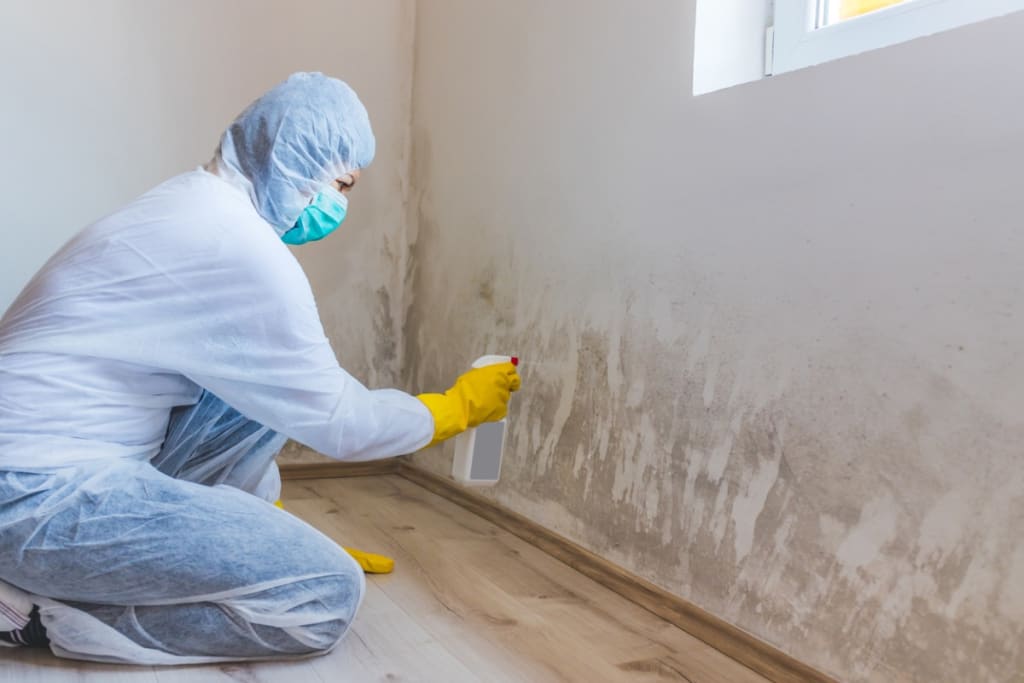
Mold infestations can turn a dream home into a nightmare, affecting both health and property value. In regions like New Jersey (NJ) and Philadelphia (PA), where humidity and seasonal flooding create ideal conditions for mold growth, professional mold removal services are not just an expense—they’re an investment.
This article explores why expert mold remediation is worth every penny, covering the health risks, structural dangers, and financial benefits of hiring certified professionals. We’ll also discuss local challenges and tips for preventing mold in these areas.
Introduction
Mold is more than an unsightly nuisance—it’s a silent intruder that can trigger allergies, worsen asthma, and compromise indoor air quality. Homeowners in New Jersey and Philadelphia are particularly vulnerable due to regional weather patterns, older housing stock, and flood-prone areas.
While DIY mold removal solutions may seem cost-effective, improper handling often exacerbates the problem. Professional mold remediation companies like Restoration Specialists offer specialized equipment, certified expertise, and long-term solutions to restore your home safely and effectively.
This article explains why investing in expert mold removal services pays off for your health, sanity, and property value.
Local Spotlight: Mold Challenges in NJ and Philadelphia
Why These Regions Are at Risk
High Humidity: Both NJ and Philadelphia experience humid summers, creating ideal mold growth conditions.
Coastal Proximity: NJ’s coastal areas face flooding risks, while Philadelphia’s aging drainage systems struggle during heavy rains.
Historic Homes: Older buildings with outdated ventilation systems often trap moisture, fostering mold growth.
Basement and Crawl Space Vulnerability: Many homes in these regions have basements prone to leaks and dampness.
Understanding these regional factors highlights the importance of professional mold remediation services.
Why Professional Mold Removal Is Worth the Cost
1. Health Protection from Mold-Related Illnesses
Mold spores can cause:
Allergic Reactions: Sneezing, rashes, and sinus congestion.
Respiratory Issues: Asthma attacks and lung infections, especially in children and seniors.
Toxic Effects: Black mold (Stachybotrys) produces mycotoxins linked to neurological symptoms and chronic fatigue.
Certified mold removal specialists use HEPA filtration systems and antimicrobial treatments to eliminate mold safely and protect indoor air quality.
2. Preventing Structural Damage
Unchecked mold growth weakens walls, floors, and ceilings. Over time, wood rot and drywall deterioration can compromise your home’s structural integrity.
Professional mold remediation includes:
Moisture Mapping: Identifying hidden moisture pockets.
Drying Systems: Industrial-grade dehumidifiers and air movers.
Material Replacement: Repairing or replacing contaminated drywall, insulation, and framing.
3. Preserving Property Value
Mold problems lower property values and complicate home sales. Professional mold removal restores confidence for buyers and ensures compliance with disclosure laws.
Tip for Sellers: Providing a certified mold remediation report can increase buyer trust and property value.
4. Long-Term Prevention Plans
Expert companies don’t just remove mold—they prevent it from returning. Services often include:
Waterproofing basements and crawl spaces.
Improving ventilation and dehumidification systems.
Applying mold-resistant paints and sealants.
The Mold Remediation Process: What Professionals Do
1. Inspection and Testing
Visual Assessment: Identify visible mold growth and water damage.
Air Quality Testing: Detect airborne mold spores.
Surface Sampling: Verify mold type and contamination levels.
2. Containment and Removal
Sealing Off Affected Areas: Prevent cross-contamination with plastic barriers.
Negative Air Pressure Systems: Filter and vent airborne spores.
HEPA Vacuuming: Capture mold spores from surfaces.
3. Cleaning and Sanitization
Apply antimicrobial treatments to disinfect contaminated surfaces.
Deodorize areas to eliminate musty odors.
4. Drying and Dehumidification
Deploy industrial dryers to eliminate lingering moisture.
Install long-term humidity controls to prevent recurrence.
Costs vs. Benefits: Is Mold Remediation Worth It?
Average Costs:
Inspection and Testing: $300–$600
Small-Scale Removal: $500–$1,500
Extensive Remediation: $2,000–$6,000
Long-Term Savings:
Avoid costly structural repairs caused by prolonged mold exposure.
Reduce healthcare costs associated with mold-related illnesses.
Protect resale value by addressing mold before listing your property.
Tips for Preventing Mold Growth in NJ and Philadelphia
Control Humidity Levels: Keep indoor humidity below 50% using dehumidifiers.
Ventilate High-Moisture Areas: Use exhaust fans in bathrooms, kitchens, and laundry rooms.
Inspect and Repair Leaks Promptly: Fix roof, plumbing, and foundation leaks as soon as they’re detected.
Waterproof Basements: Install sump pumps and seal foundation cracks.
Clean Gutters Regularly: Prevent water buildup near foundations.
Use Mold-Resistant Materials: Opt for mold-resistant drywall and insulation during renovations.
Common Questions About Mold Removal Services
Q: How do I know if I have mold?
A: Signs include musty odors, visible black or green spots, and persistent respiratory symptoms.
Q: Is mold removal covered by insurance?
A: Policies may cover mold caused by sudden water damage but often exclude gradual issues without flood insurance.
Q: Can I remove mold myself?
A: Small areas (under 10 sq. ft.) can sometimes be treated with DIY methods, but larger infestations require professional help.
Q: How long does mold remediation take?
A: Most jobs take 1–5 days, depending on the severity of contamination.
Q: Are mold removal chemicals safe?
A: Certified professionals use EPA-approved treatments that are safe for indoor use.
Related Terms to Know
Mycotoxins – Toxic compounds produced by certain molds.
HEPA Filtration – High-efficiency air filters used to trap mold spores.
Thermal Imaging – Technology used to detect hidden moisture.
Encapsulation – Sealing mold-infested areas to prevent further spread.
Additional Resources
EPA Mold Guide – Mold Prevention and Cleanup – www.epa.gov/mold
Philadelphia Office of Emergency Management – Flood Prevention – www.phila.gov/oem
NJ Department of Health – Mold Safety Tips – www.nj.gov/health
Expand Your Knowledge
Centers for Disease Control and Prevention (CDC) Mold Facts – www.cdc.gov/mold
American Lung Association – Indoor Air Quality – www.lung.org
National Association of Home Builders – Mold Prevention Tips – www.nahb.org
About the Creator
Keep reading
More stories from MUHAMMAD FAISAL and writers in Lifehack and other communities.
How to Create and Monetize Your Own AI Influencer with APOB AI
Meet the Future of Social Media: Famous AI Influencers The digital world is evolving faster than ever, and a new type of social media star is taking center stage — the AI influencer. These are not just digital drawings or cartoon characters; they are hyper-realistic, AI-generated personalities that captivate audiences and attract brand deals just like human influencers.
By MUHAMMAD FAISAL5 months ago in Lifehack
Is It Better To Eat Protein Before Or After A Workout? How To Optimize Your Intake For Muscle Growth
If you've given WH's protein challenge a go, you know how important this macro is to your health and fitness goals and a strong training sesh. But does it matter when, exactly, you get some protein in around your workouts impact muscle growth?
By Dena Falken Esqabout 4 hours ago in Lifehack




Comments
There are no comments for this story
Be the first to respond and start the conversation.