
Don't Throw Away Your Coffee Grounds!
DIY Gardening hacks using coffee grounds
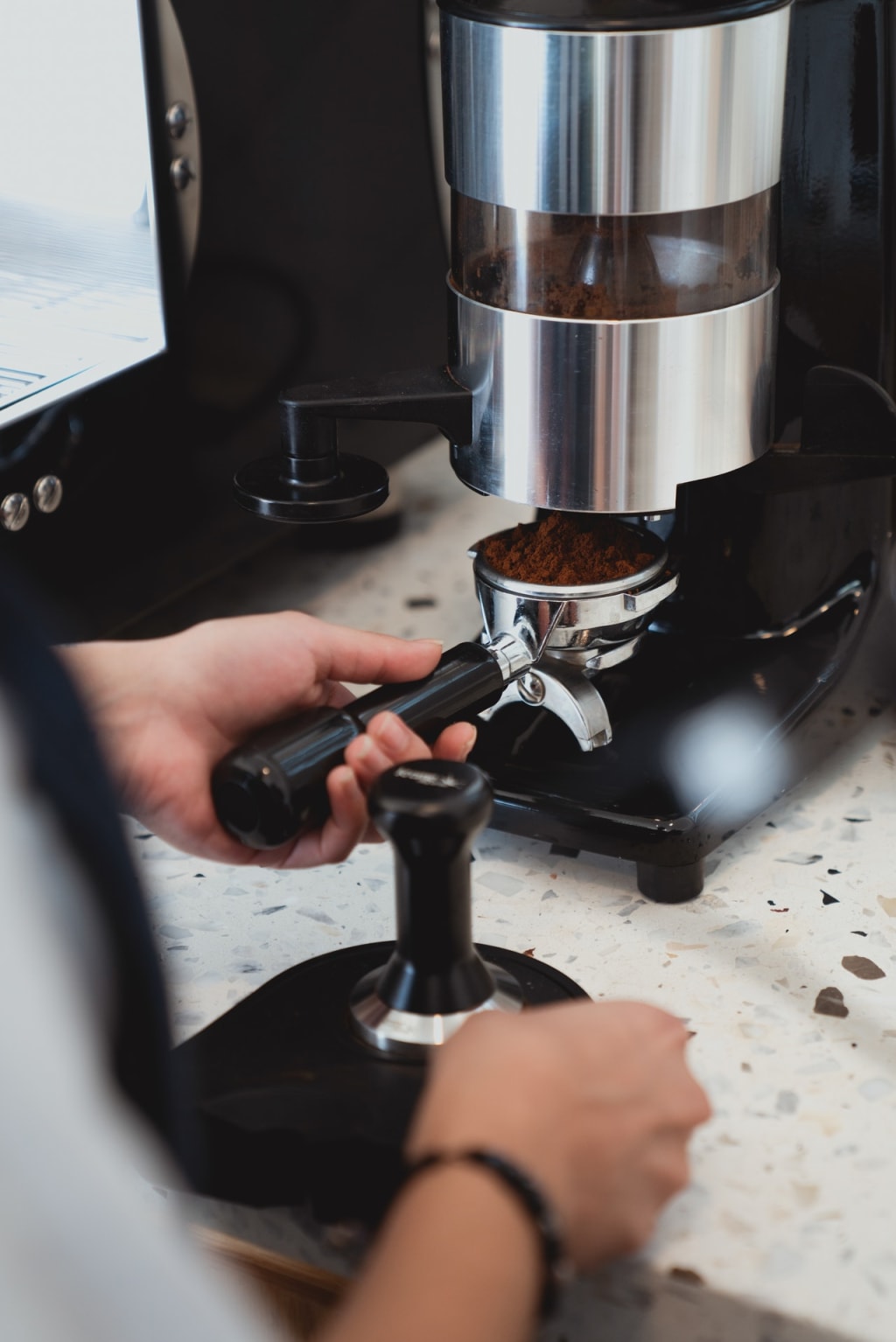
If you're like me, you have to start your day with a cup of coffee or else you'll find it hard to function throughout the day. Ingesting so much coffee throughout the week means that you use a lot of coffee grounds. It's safe to bet that most people whether they drink coffee daily or on special occasions, throw away their coffee grounds. The majority of people don't really think about whether something can be recycled or not especially organic waste. Since organic waste can start to stink and attract unwanted bugs into the house. But, if you have a garden or even just a few potted plants, you should definitely save your coffee grounds! The reason why is because coffee grounds, when mixed into soil, can become beneficial nutrients for your plants. Coffee grounds can also repel certain pests in your garden.
When mixed in soil, coffee grounds can used as drainage for your soil. Coffee grounds contain nutrients like nitrogen, calcium, magnesium, potassium, as well as other micro-nutrients. Coffee grounds are also acidic. So make sure your adding coffee grounds into the soil of plants that are in need of acidity and not alkaline.
Three ways of mixing your coffee grounds into the soil is to mix the coffee grounds directly, adding coffee grounds to a compost, and using the coffee grounds like a fertilizer. The first way is to let your used coffee grounds dry out first before putting it into a container. The container is just to store and let your dried coffee grounds build up over time to use later when needed. Once you have collected enough coffee grounds just mix it into your soil before potting your plant. This way the plant can get the nutrients from the coffee grounds and the coffee grounds can also act as drainage for your soil. Make sure not to add too much coffee grounds into your soil because of the high acidity in coffee grounds. Keep in mind when you do save your coffee grounds that you let it dry out first before storing it. This is because wet coffee grounds will form mold inside your container. While not all mold is bad and some mold produced by coffee grounds can actually be good for your soil. It is still a matter of luck on whether your moldy coffee grounds is good to use or not.
Like most other organic waste, coffee grounds is great for composting. If you are familiar with composting you will know that you must mix a ratio of green to brown compost material. Usually green compost material is green like fresh grass clippings, weeds, and plants. There are exceptions like eggshells and coffee grounds. Brown compost materials are usually brown like dried leaves, newspaper, sawdust, cardboard, brown paper bags. When adding coffee grounds to compost, you want to use a 4:1 ratio of brown compost to green compost. You also want to use a diverse amount of materials in compost. So you will only need to add up to 20% coffee grounds. Add dried used coffee grounds into your compost. You do not want to add freshly used coffee grounds because the heat of the coffee grounds can kill beneficial micro-organisms in your compost.
Coffee grounds can act as a fertilizer for your plants. There are two ways that you can create a coffee grounds fertilizer for your plants. The first way is to rake away the top soil, sprinkle the coffee grounds onto the soil before raking the top soil back on top of the coffee grounds. Make sure not to disturb plants and seeds that are already in the soil. The second way of creating a coffee grounds fertilizer, is to steep it in water like tea creating diluted coffee solution. You can directly pour a bit of it around your plant like other liquid fertilizers. You can also spray the solution directly on the plant. Do not directly pour coffee onto your soil as the acidity will be too much for your plant. You want a diluted liquid so make sure to use a small amount of used coffee grounds. I recommend 1:10 ratio of coffee grinds to water.
If you have a bug or other pest problem in your garden, you can throw down coffee grounds to help get rid of your pests. Coffee grounds can repel bugs like ants, fruit flies, slugs, and snails. This is great for plants like strawberries that are acid loving plants that do tend to get attacked by slugs and snails. The smell of caffeine that comes off of coffee grounds can also repel rodents like rats and rabbits. Also snakes do not like strong smells like coffee grounds.
Even though coffee grounds can be beneficial to your plants. You have to remember that coffee grounds are acidic. So not all plants do well when you add coffee grounds depending on the plant and PH balance of your soil. When caring for plants its always good to keep the PH balance based on whether the plants in the soil thrive in neutral, alkaline, or acidic PH. Adding coffee grounds raises the acidity of your soil. So if your plant is an acid loving plant or your soil is in need of acidity. The coffee grounds would be beneficial for you to use.
About the Creator
Scarwled Writing
My writing sandbox where I write about different subjects that spark my interest.
Keep reading
More stories from Scarwled Writing and writers in Lifehack and other communities.
3 Easy Starter Garden Hacks for Beginners
Starting a garden can be tough at first. When you first start out gardening, you might end up just throwing seeds down on the soil and hope for the best. In the coming days you’ll either see a little sprout popping up or nothing happens at all. You may end up having a tougher time growthing certain seeds compared to others. Over the years, I have tried many different tricks when planting new plants. Here are three easy hacks to when you’re first starting new plants for your garden.
By Scarwled Writing4 years ago in Lifehack
I Stopped Trying to Impress Women—And This One Shift Made Them Notice Me Instantly
For years, I thought attracting women was all about effort—saying the right lines, dressing perfectly, and trying to be as impressive as possible. I believed that if I could just present the best version of myself, everything would fall into place.
By Lukáš Hrdlička6 days ago in Lifehack
Tatt~Master
— Assembly Line Tatt Machine ~ Impressions to Impress — As I begin to understand more about the Tattoo Phenomenon. I've written silly, yet verbatim, dating site anecdotes in 'Frazzled.' So let me ask you: Would you be More attracted to someone slathered with tattoos, or Less?
By Jay Kantor4 days ago in Humor


Comments
There are no comments for this story
Be the first to respond and start the conversation.