
Do I Need a Structural Engineer for My Renovation
This may be an essential factor in ensuring that the changes made to your home are safe and secure.

Introduction
When it comes to remodeling your home, you may not always think about involving a structural engineer. However, hiring one may be an essential factor in ensuring that the changes made to your home are safe and secure – both now and in the future.
This professional can assess your property’s existing infrastructure, design any necessary reinforcements or load-bearing walls, ensure compliance with building codes and regulations, design underpinning solutions when needed, and more.
Keep reading to learn why and when you should use a structural engineer for your home remodeling.
What is the role of a structural engineer in a renovation?

Structural engineers’ work is essential when it comes to home renovations that include structural elements. They provide valuable insight and expertise to help ensure your renovation plans are safe and durable. They can assess the structural elements of your home, design any necessary changes or load-bearing walls, analyze existing foundations, and design underpinning or reinforcement if needed.
If you are unsure when you should use a structural engineer, the answer may be – whenever you plan on doing a major home remodeling. Any time you plan on making major changes to the structure of your home, such as adding an addition or second story or changing the layout, you should consult with a structural engineer first.
This is especially important for older homes that may not have been built according to modern building codes and regulations. Structural engineers will be able to evaluate the current condition of your home’s structure and advise on any necessary modifications.
In addition to assessing the current state of your home’s structure, they can create detailed drawings, perform calculations, and write reports for contractors to follow.
Structural engineers are also knowledgeable about local building codes. This helps them ensure compliance throughout the entire process from start to finish.
Overall, hiring a professional is important in ensuring that any remodeling plan goes smoothly without compromising safety standards or putting anyone at risk due to faulty planning or materials used on construction sites. They can provide invaluable insight and expertise throughout the entire home remodeling process from start to finish. This will help you create a safe and secure home for years to come.

Assess the structural integrity of your home
Structural issues can be difficult and expensive to fix, so it’s important to know what you’re dealing with before beginning any renovations.
First, you should have a professional inspect the property for any signs of damage or deterioration. Look for cracks in walls and ceilings, sagging floors, uneven doors, and windows, or other visible signs that something may be wrong structurally.
If there are any issues found during this inspection process, they should be addressed immediately by a qualified contractor or a professional engineer before proceeding with renovations.
You can also check out local building codes and regulations to ensure that your renovation plans comply with them. Building codes exist for safety reasons. If you don’t follow them when making changes to your home’s structure, you could end up facing costly fines from the city or county government down the line.
Home remodeling that follows plans developed by licensed structural engineers could also save you from any legal headaches if you decide to sell your home.
It is also essential to evaluate whether existing foundations require reinforcement or underpinning before commencing work on an addition or second-story room. A structural engineer analyzes the current foundation system and provides drawings demonstrating how additional support can be included.
In summary, assessing the integrity of your home is essential before beginning any major renovation project. It helps identify potential structural problems early on so they can be addressed quickly and efficiently while ensuring compliance with local building codes at all times.
A good structural engineer could also provide tips on how to save money on your remodeling project.

Design structural changes and load-bearing walls
Structural renovations involve making changes to the structure of a home, such as adding or removing walls, changing the roof, or increasing the size of windows and doors. Load-bearing walls are the structural element that supports the weight from above, including roofs and upper floors.
These walls must be designed with precision in order to ensure they can handle the load placed on them without compromising safety or stability.
When designing structural changes for a renovation plan, it is important to consider both aesthetic appeal and practicality. Aesthetic considerations include things like wall size and position, window placement, door size, etc. While practical considerations include things like building codes and regulations that must be followed when constructing new structures or altering existing ones.
It is also important to consider how these changes will affect other structures of the house. For example, if you add a second story, you may need to reinforce existing foundations or install additional supports for added weight-bearing capacity.
It is essential to assess existing load-bearing walls prior to any modifications, taking into account factors such as:
- Wall height/width ratio
- Thickness
- Type of material used
- Condition (foundation cracks/damage)
- Age
- Foundation depth
- Soil composition
- Water table level
- Seismic activity risk levels
Ensure compliance with building codes and regulations
Renovating your home can be a great way to add value and make it more comfortable for you and your family. However, before beginning any project, it is important to ensure that all building codes and regulations are met. This will help protect the safety of those living in the home as well as ensure that the work meets local building regulations.
The first step when considering a renovation is obtaining the necessary permits from your local government or municipality. Different types of projects require different permits. Some may need electrical or/and plumbing permits, while others may need structural changes approved by an engineer or architect. Be sure to check your city’s website for specific requirements before starting any project.
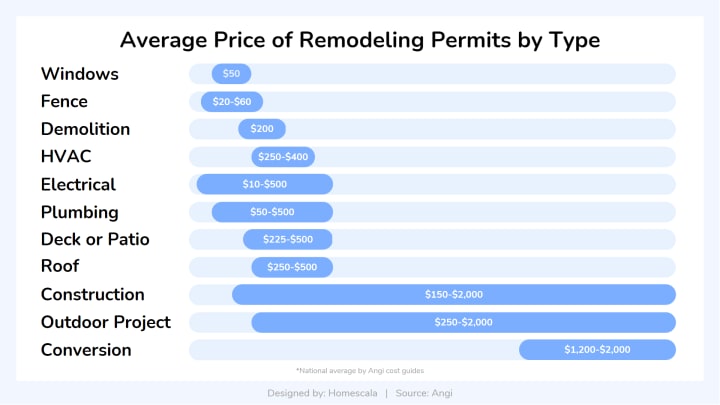
In addition to obtaining proper permitting, there are other steps you should take when remodeling according to the code regulations:
- Check zoning laws. Make sure that whatever changes you plan on making do not violate any zoning ordinances in place.
- Research building codes. Building codes vary from state to state, county to county, and even city to city. Make sure you research what is required in order for renovations to meet the code where you live.
- Hire licensed professionals. Hiring licensed contractors who have experience working with building codes can save time and money down the road.
Finally, remember that even though following these guidelines can seem tedious, they exist for a good reason. Taking care during each step of planning ensures that all renovations are done correctly and up to code so everyone can enjoy their newly renovated space without worry.

Analyze and assess existing foundations
When it comes to assessing and analyzing existing foundations, there are a few key points that property owners should consider. The first is the age of the home and its foundation. Older homes may have foundations that are in need of repair or renovation due to wear and tear over time. It’s important for homeowners to be aware of any potential issues before they begin renovations on their property.
The second point is the condition of the foundation itself. If there are cracks, uneven surfaces, or other signs of damage, then this could indicate an issue with structural integrity that needs to be addressed before further work can be done on the property. Homeowners should inspect their foundations regularly for any visible signs of deterioration or damage so that they can address them quickly if needed.
Thirdly, it’s important for homeowners to understand what type of soil their home sits on. This will affect how much support is required from a structural standpoint when renovating or making additions to a property. Sandy soils require more reinforcement than clay soils since sand has less stability than clay and can tolerate weights from structures above less.
Hiring a qualified structural engineer specializing in residential properties is essential when assessing existing foundations prior to renovations or construction projects at your home location.
Engineers know what materials and reinforcements are based on local building codes and regulations, as well as soil conditions present at each job site location. They also provide detailed drawings and write reports that contractors and architects use during construction projects.
If you are unsure what to look for when hiring a structural engineer, here are a few tips. When hiring an engineer, make sure you check:
- Experience
- Qualifications
- Licensing information
- Insurance coverage
This will ensure you’re getting quality services for your project budget.

Design underpinning and foundation reinforcement
Designing underpinning and foundation reinforcement is an important part of any home renovation project. Structural engineers are the professionals who are responsible and can help you plan for these changes, ensuring that your home remains safe and structurally sound.
Foundation reinforcement is a process of strengthening existing foundations to support additional loads or stresses. This could include adding footings, columns, beams, or other new structures to increase the strength of the system. It’s essential that this work be done correctly in order to ensure safety and stability for your home.
A structural engineer, as a professional, has the expertise necessary to assess existing foundations and determine what type of reinforcements may be needed in order to meet building codes and regulations. As well as provide adequate support for renovations such as additions or additional stories. They will also take into account factors such as soil conditions when designing a suitable solution for your specific situation.
The engineer will create detailed drawings that contractors and architects can use during construction. This will help them know exactly how much material needs to be used and where it should go onsite. This helps reduce potential errors during installation, which could lead to costly repairs down the line if not addressed properly upfront.
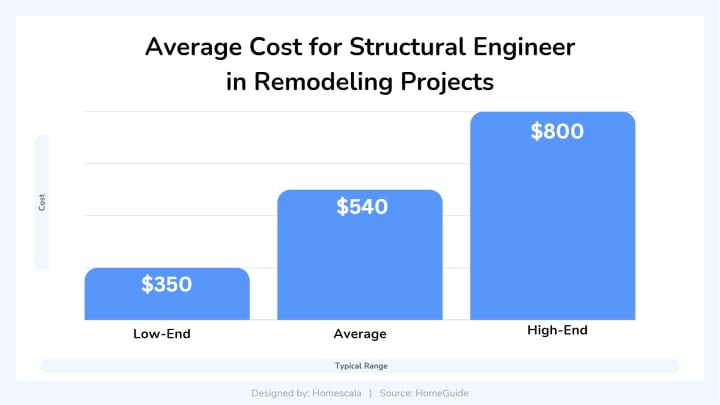
If you’re wondering if structural engineers can give you free quotes, it depends. In some cases, yes. However, it depends on each individual engineer’s policy, so it is best to ask before engaging their services if you are looking for a free quote before committing financially.

Design structural support for additions and second stories
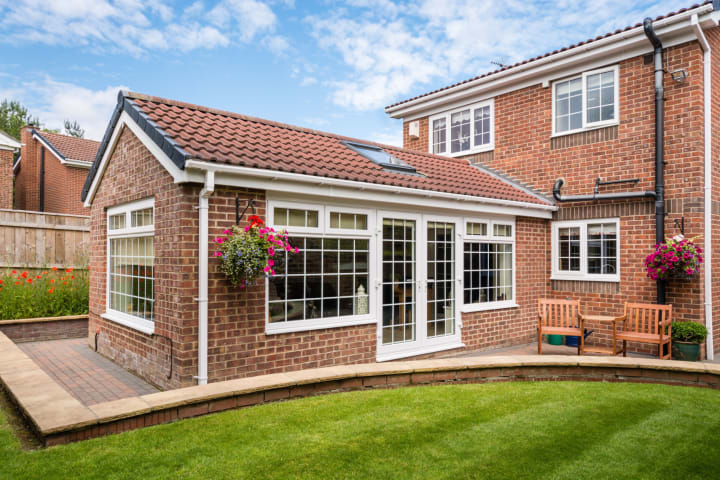
When planning to add an addition or second story to your home, it is important to consider the structural support that will be needed. Structural support is essential for any construction process, as it ensures the safety of those living in the space and helps prevent future damage from occurring.
Before beginning a project like this, every property owner should consult with a structural engineer who can assess their existing foundation and provide them with detailed drawings and calculations for contractors.
It is also important to consider what type of materials should be used when constructing additions or second stories; wood framing may not always be suitable depending on local climate conditions.
In order to properly design structural support for additions or second stories, engineers must take into account factors such as soil composition, seismic activity in the area, snow loads (if applicable), wind speeds, live load requirements (i.e., furniture weight) and dead load requirements (i.e., roofing material weight).
Based on these considerations, they may suggest using different types of beams than are usually employed in residential projects. Types such as steel I-beams instead of wooden joists could be recommended to meet strength demands mandated by local building codes and regulations.
Designing structural support for additions and second stories is an important step in ensuring the stability of a home. With proper calculations and drawings, contractors can build safely and efficiently to create beautiful living spaces.

Provide structural drawings and calculations for contractors
Structural drawings and calculations are an essential part of any renovation or construction project. They provide a detailed blueprint for the contractor to follow. This will ensure that all building codes are met while also providing a safe environment for workers and occupants.
When it comes to renovations, structural drawings and calculations help determine the size, shape, weight-bearing capacity, stability, and overall safety of any additions or changes made to your home. These documents should be created by a qualified engineer who is familiar with local building codes.
It’s important to note that structural drawings aren’t just limited to large projects like adding a second story or expanding your kitchen. They can also be used for smaller jobs, such as installing new windows or replacing old beams in the attic.
Engineers perform calculations on each individual component of the structure so that its load-bearing capabilities are known before installation begins. This helps prevent costly mistakes from being made during construction which could lead to serious safety issues down the line.
In addition to helping ensure compliance with local building codes, structural drawings can also increase the value of your home. Buyers will feel more confident knowing that their potential investment has been thoroughly inspected by an experienced professional.
Overall, having accurate structural drawings and calculations done before beginning any renovation work is essential. This will help you complete your project safely and in accordance with local building codes without any issues.
By providing structural drawings and calculations for contractors, homeowners can ensure that their renovations are structurally sound and compliant with local building codes.
If you are looking for tips on how to increase your home value, read our article on the topic:
11 Tips to Increase Your Home Value

Q&A
When Should You Use a Structural Engineer?
Structural engineers are experts in the design and analysis of your home. They should be consulted when making any changes to an existing structure or building a new one from scratch.
This includes renovations such as adding a second story or extending an existing room. It is important to hire these professionals for your home remodeling project. This is because they can ensure that the construction plans meet all safety standards and regulations.
What Is Considered A Structural Renovation?
A structural renovation is any project that involves changing the foundation, load-bearing walls, or another structural element of a home. This could also include adding additional levels to replace windows and doors with larger ones.
Anytime you make changes to your property’s structure, it is important to consult with a structural engineer first. They will ensure that the project is in compliance with local building codes and regulations. They will also help maximize safety for those living inside the home or using the space.
Do Structural Engineers Do Free Quotes?
Most structural engineers will provide free quotes for their services before beginning to work closely on your project. So, you can be aware of the financial commitment that comes with such a renovation.
How Do I Know If My Property Has Structural Problems?
Your home may show signs of cracking in walls or ceilings, uneven flooring surfaces, and sagging rooflines/ceilings/walls. In that case, these may indicate potential underlying issues related to the property’s structure.
It is recommended that qualified professionals such as structural engineers be consulted to assess properties for problems related specifically to their foundations and other structures. Furthermore, regular inspections should be considered a top priority at least once every few years. This will help you identify any issues early on before they become more serious due to neglect.
What To Look for When Hiring A Structural Engineer?
When considering a structural renovation, hiring a qualified and experienced structural engineer is important to ensure safety standards are met. When looking for a structural engineer, make sure to ask about their qualifications, experience level, and past projects.
About the Creator
Homescala
We help homeowners and homesellers increase their home value and equity by performing smart renovations.
We also help homebuyers start ownership with extra home equity.
Marble Floor or Tile Floor: Which One Actually Works for Your Home?
You're renovating your home, the walls are done, the furniture is picked, and then you hit the floor decision. Suddenly you're standing in a showroom holding two samples: one gorgeous slab of marble and one sleek porcelain tile, completely stuck between choosing a Marble Floor or Tile Floor.
By Brijesh Agarwat4 days ago in Lifehack
Zojirushi BB HAC10 vs BB SSC10: Which One Should You Buy?
Choosing between the Zojirushi bb hac10 vs bb ssc10 can feel confusing when both promise great homemade bread in a compact size. I like how each model focuses on small 1-pound loaves, which fit typical U.S. households and reduce waste.
By Mohammed mamun6 days ago in Lifehack
Two Grumpy Old Men Solve the Problem
Marty and Steve were two grumpy old men who lived together. They had known each other for years. Marty had been a bachelor all his life. Steve said it was because no one could stand to ever live with. Marty’s standard reply was “Well, you are, so what sort of a moron does that make you!”
By Calvin London2 days ago in Humor


Comments
There are no comments for this story
Be the first to respond and start the conversation.