
DIY Hair Serums You Can Make at Home for Shiny, Healthy Hair
Make good hair serums at home with ease!
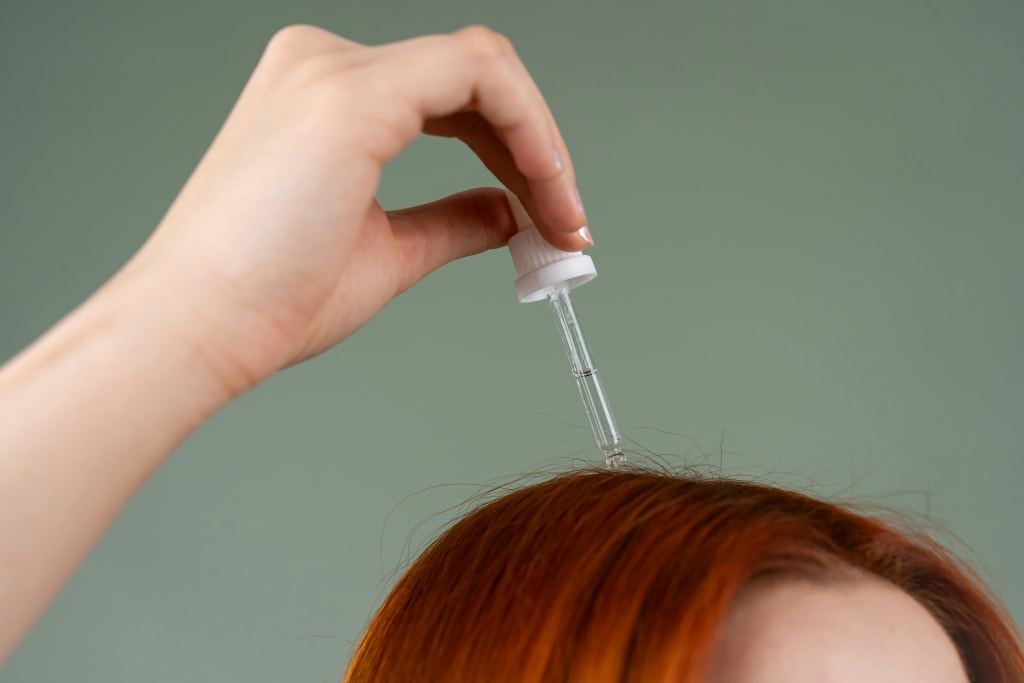
Healthy, shiny hair is not just a dream; it’s achievable with the right care and products. While store-bought hair serums are convenient, they often contain chemicals and preservatives that may not suit everyone. Enter DIY hair serums: a natural, cost-effective way to give your hair the nourishment it deserves. This blog will guide you through creating your own hair serums at home, explain the benefits of each ingredient, and provide essential tips for application.
________________________________________
Why DIY Hair Serums?
DIY hair serums offer several advantages over commercial options:
1. Customization: You can tailor the ingredients to suit your hair type and concerns.
2. Natural Ingredients: Avoid harsh chemicals, parabens, and synthetic fragrances.
3. Cost-Effective: Save money by using common kitchen and pantry staples.
4. Eco-Friendly: Reduce waste by reusing bottles and minimizing packaging.
A study by Statista reveals that 39% of consumers prefer natural and organic haircare products, showcasing a growing trend toward chemical-free solutions.
________________________________________
Key Ingredients for DIY Hair Serums
1. Carrier Oils
Carrier oils form the base of most hair serums. They are packed with nutrients and fatty acids that promote hair health.
• Coconut Oil: Moisturizes dry hair and prevents protein loss.
• Argan Oil: Rich in Vitamin E and antioxidants, it fights frizz and adds shine.
• Jojoba Oil: Mimics scalp’s natural oils and prevents greasiness.
• Sweet Almond Oil: Lightweight and ideal for fine hair.
2. Essential Oils
Essential oils enhance the serum with their therapeutic properties.
• Lavender Oil: Promotes hair growth and soothes the scalp.
• Rosemary Oil: Increases circulation to the scalp, encouraging thicker hair.
• Peppermint Oil: Provides a cooling effect and improves blood flow.
• Tea Tree Oil: Treats dandruff and maintains a healthy scalp.
3. Aloe Vera Gel
Aloe vera is a hydration powerhouse that repairs and soothes damaged hair.
4. Vitamin E Oil
This antioxidant combats free radicals, strengthens hair, and boosts shine.
5. Glycerin
A humectant that locks in moisture, perfect for dry and brittle hair.
________________________________________
Top DIY Hair Serum Recipes
1. Frizz-Fighting Hair Serum
Tame flyaways and reduce frizz with this simple recipe.
Ingredients:
• 2 tbsp argan oil
• 1 tbsp coconut oil
• 5 drops lavender essential oil
• 2 drops tea tree oil
Instructions:
1. Mix the oils in a glass bottle.
2. Shake well before use.
3. Apply a few drops to damp hair, focusing on the ends.
Benefits: Argan oil smooths the hair cuticle, while lavender oil reduces breakage.
________________________________________
2. Hair Growth Serum
Encourage hair growth with this nutrient-rich formula.
Ingredients:
• 3 tbsp castor oil
• 2 tbsp jojoba oil
• 5 drops rosemary essential oil
• 5 drops peppermint essential oil
Instructions:
1. Combine the oils in a dropper bottle.
2. Massage a few drops into your scalp for 5–10 minutes.
3. Leave overnight and wash in the morning.
Benefits: Castor oil thickens hair, and rosemary oil stimulates hair follicles.
Stat Insight: A study published in SkinMed found that peppermint oil significantly improved hair growth in mice compared to other oils.
________________________________________
3. Shine-Boosting Hair Serum
Add instant shine to dull hair with this lightweight serum. You can also buy one from online sites like eBay and TrueGether. However, just utilise this below mentioned hack to make your own serum at your home.
Ingredients:
• 2 tbsp sweet almond oil
• 1 tbsp aloe vera gel
• 3 drops geranium essential oil
Instructions:
1. Whisk the ingredients until smooth.
2. Apply a small amount to dry hair, avoiding the roots.
Benefits: Sweet almond oil smooths the hair, while aloe vera enhances shine.
________________________________________
4. Moisturizing Serum for Dry Hair
Replenish moisture in parched locks with this deeply hydrating recipe.
Ingredients:
• 2 tbsp coconut oil
• 1 tbsp glycerin
• 4 drops sandalwood essential oil
Instructions:
1. Mix the ingredients thoroughly.
2. Apply to damp hair, focusing on the mid-lengths and ends.
Benefits: Coconut oil locks in moisture, while glycerin prevents dryness.
________________________________________
Application Tips for DIY Hair Serums
1. Use Sparingly: A little goes a long way; 2–3 drops are usually sufficient.
2. Target Problem Areas: Focus on ends to prevent split ends or on the scalp for growth.
3. Apply on Damp Hair: This helps lock in moisture.
4. Avoid Overloading: Too much serum can weigh down your hair, especially for fine hair types.
________________________________________
Storage and Shelf Life
• Storage: Store your DIY hair serums in dark, glass bottles to preserve the potency of essential oils.
• Shelf Life: Most serums last 3–6 months if stored in a cool, dry place.
Pro Tip: Label your bottles with the preparation date to keep track of freshness.
________________________________________
The Economics of DIY Hair Serums
Creating your own hair serums isn’t just good for your hair; it’s good for your wallet too.
• Cost Comparison: A store-bought serum can cost anywhere between $15–$50, while a DIY version may cost under $5 per bottle.
• Stat Insight: According to Grand View Research, the global haircare market was valued at $91.3 billion in 2021, with a significant portion spent on serums and treatments.
________________________________________
Are DIY Hair Serums Effective?
Yes, DIY hair serums can be highly effective when made with the right ingredients and used consistently. They cater to individual hair needs and avoid the harsh chemicals found in some commercial products.
________________________________________
Additional Tips to Enhance Your DIY Hair Serum Experience
While the recipes and application methods discussed are essential, a few extra strategies can take your DIY hair serum experience to the next level. Here’s how you can maximize their benefits:
1. Use the Right Tools
Invest in high-quality tools like a dropper bottle or a mixing whisk to ensure proper blending of ingredients. For oils prone to solidifying, such as coconut oil, use a double boiler to liquefy them gently without losing nutrients.
2. Patch Testing
Before applying any serum, especially one with essential oils, do a patch test to rule out allergic reactions. Apply a small amount to your wrist or behind your ear and wait 24 hours to ensure compatibility.
3. Incorporate Steam Treatments
For deep nourishment, use your DIY serum during a steam treatment. After applying the serum, wrap a warm, damp towel around your head for 20 minutes. The heat opens hair cuticles, allowing the serum to penetrate deeply.
4. Add Heat Protection
If you frequently use heat styling tools, customize your serum with ingredients like grapeseed oil, which has a high smoke point, to protect your strands from heat damage.
5. Maintain Consistency
While the benefits of DIY serums are noticeable, consistency is key. Incorporate your chosen serum into your haircare routine at least 2–3 times a week for best results.
Conclusion
DIY hair serums are a natural, effective, and customizable solution for achieving shiny, healthy hair. With simple ingredients like carrier oils, essential oils, and aloe vera, you can create a serum tailored to your specific hair needs. Not only do these serums provide excellent results, but they are also cost-effective and eco-friendly. By incorporating these DIY recipes into your haircare routine, you can nourish your locks while embracing a sustainable approach to beauty.
Whether you’re battling frizz, dryness, or dullness, a homemade serum can be the game-changer your hair needs this winter. So, grab your ingredients, experiment with these recipes, and watch your hair transform into its healthiest, shiniest version yet!
About the Creator
Ruby
I am an enthusiastic writer with a pinch of creativity. I write compelling stories that will leave you astounded and satiated at the same time.
Top 10 Questions to Ask Every Perth NDIS Service Before You Engage Them
Choosing the right National Disability Insurance Scheme (NDIS) provider shapes the quality of care, independence, and outcomes a participant experiences. In Perth, families and participants face a growing number of service options, which makes informed decision-making essential.
By Anshul Vijay3 days ago in Lifehack




Comments
There are no comments for this story
Be the first to respond and start the conversation.