
Discover the Enchanting Spiti Valley: A Complete Travel Guide
Your Ultimate Guide to Exploring Spiti Valley’s Breathtaking Landscapes, Rich Culture, and Must-See Attractions
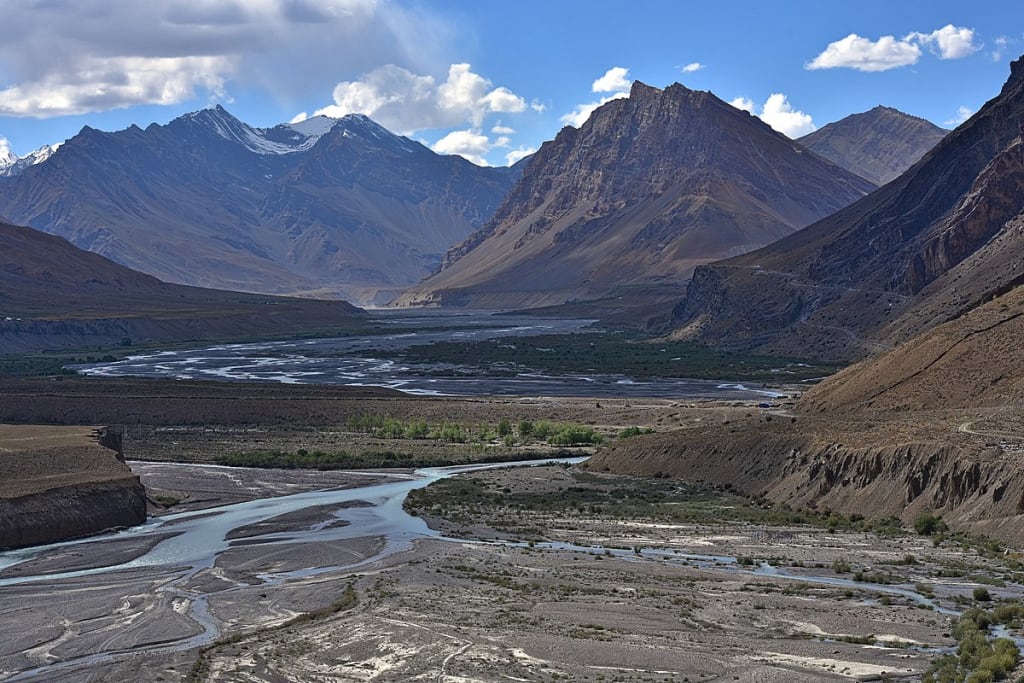
Nestled high in the Himalayas, Spiti Valley is a hidden gem that offers an unparalleled travel experience. Known for its rugged terrain, stunning landscapes, and vibrant culture, this remote region of Himachal Pradesh is a paradise for nature lovers, adventure seekers, and culture enthusiasts alike. This guide will help you uncover the best of Spiti Valley, from its breathtaking landscapes to its rich cultural heritage and must-see attractions.
Exploring Spiti Valley’s Landscapes
Spiti Valley, often referred to as the "Little Tibet," is renowned for its dramatic and stark landscapes. The valley's terrain is characterized by barren mountains, deep valleys, and ancient monasteries, offering a unique and serene escape from the hustle and bustle of city life.
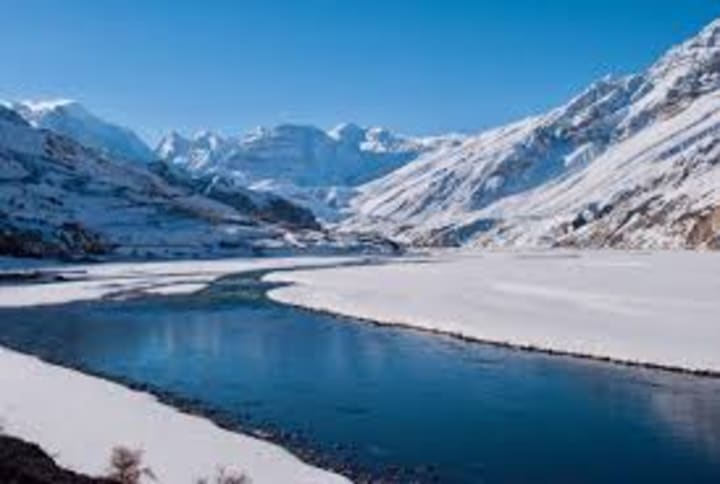
- Chandratal Lake: Often called the "Moon Lake," Chandratal is a crescent-shaped lake that offers some of the most mesmerizing views in Spiti. The lake's crystal-clear waters reflect the surrounding snow-capped peaks, creating a picturesque setting. It's an ideal spot for camping, photography, and simply soaking in the tranquil environment.
- Key Monastery: Perched on a hilltop, Key Monastery is a key highlight of Spiti Valley. It is the largest and one of the oldest monasteries in the region, offering panoramic views of the valley and surrounding peaks. The monastery is an important center for learning and meditation in Tibetan Buddhism.
- Hikkim and Komic Villages: These are among the highest villages in the world, located at altitudes of over 4,400 meters. The villages provide an authentic glimpse into the traditional lifestyle of the Spiti people and offer spectacular views of the surrounding mountains and valleys.
- Langza Village: Known for its fossil park, Langza is a must-visit for geology enthusiasts. The village is situated at an elevation of around 4,400 meters and is famous for its ancient marine fossils. The stunning views of the Himalayas from Langza are an added bonus.
Immersing in Rich Culture
Spiti Valley's cultural richness is as captivating as its landscapes. The valley is home to a blend of Tibetan and Indian influences, reflected in its festivals, monasteries, and local customs.
Festivals: Spiti is known for its vibrant festivals, such as the Losar Festival, which marks the Tibetan New Year. The festival features traditional dances, music, and rituals, providing a glimpse into the local culture and traditions. Another significant festival is the Chham Dance, performed during the annual Losar festival at the Key Monastery.
Monastic Life: The monasteries in Spiti Valley, including Key Monastery and Tabo Monastery, play a central role in the region's cultural and spiritual life. Visitors can witness monks engaged in prayer ceremonies, learn about Tibetan Buddhism, and explore ancient manuscripts and thangkas (religious paintings).
Local Cuisine: Spiti’s cuisine is a blend of Tibetan and Himachali flavors. Dishes like momos (steamed dumplings), thukpa (noodle soup), and chhang (a local alcoholic beverage) are popular among visitors. Sampling the local food is an integral part of experiencing Spiti's culture.
Must-See Attractions
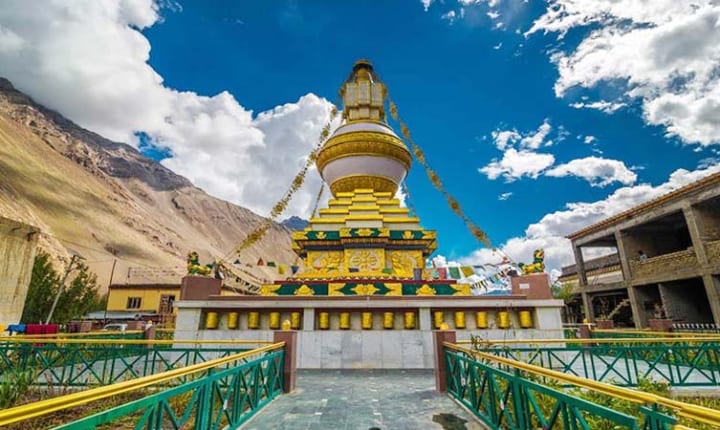
- Tabo Monastery: Often referred to as the "Ajanta of the Himalayas," Tabo Monastery is renowned for its ancient murals and statues. Established in the 10th century, the monastery is one of the most important Buddhist sites in Spiti and is a UNESCO World Heritage Site.
- Pin Valley National Park: This protected area is home to a diverse range of flora and fauna, including the endangered snow leopard. The park offers excellent opportunities for trekking and wildlife spotting, making it a must-visit for nature enthusiasts.
- Spiti River: The Spiti River flows through the valley, providing opportunities for adventure sports such as river rafting. The river's rugged beauty and the surrounding landscapes create a thrilling experience for adventure seekers.
- Kaza: The largest town in Spiti Valley, Kaza serves as a base for exploring the surrounding areas. It offers basic amenities, accommodation options, and a glimpse of local life. The town is also a gateway to nearby attractions like the Kee Monastery and .
Practical Tips for Travelers
- Best Time to Visit: The ideal time to visit Spiti Valley is from May to September, when the weather is relatively mild and most of the roads are accessible. Winters are harsh, with heavy snowfall and extreme cold temperatures.
- Travel Permits: Indian tourists do not require special permits to visit Spiti Valley, but foreigners need an Inner Line Permit (ILP) to travel to restricted areas. It's advisable to obtain the permit in advance.
- Accommodation: Spiti Valley offers a range of accommodation options, from budget guesthouses to luxury resorts. Booking in advance is recommended, especially during peak travel seasons.
- Health and Safety: Due to the high altitude, travelers should be prepared for possible altitude sickness. It’s important to stay hydrated, acclimatize properly, and consult a doctor if needed. Carrying basic medical supplies and a first aid kit is also advisable.
- Connectivity: Mobile network coverage can be limited in Spiti Valley, so it's a good idea to inform friends and family of your travel plans in advance. Some areas may have no network coverage at all.
Spiti Valley is a destination that promises a unique blend of natural beauty, cultural richness, and adventure. Whether you're exploring its stunning landscapes, immersing yourself in its vibrant culture, or discovering its must-see attractions, Spiti Valley offers an unforgettable travel experience. With this guide, you're well-equipped to embark on a journey through one of the most enchanting regions of Himachal Pradesh.
About the Creator
Keep reading
More stories from krishma verma and writers in Lifehack and other communities.
Discover Solang Valley: Where Adventure Meets Scenic Beauty in Himachal Pradesh
Located just 14 kilometers northwest of Manali, Solang Valley is a vibrant destination nestled in the heart of Himachal Pradesh. Known for its stunning landscapes and adrenaline-pumping adventure sports, Solang Valley has become a must-visit spot for both thrill-seekers and nature lovers alike. Whether you’re chasing the thrill of paragliding, skiing down snowy slopes, or simply soaking in the serene beauty of the mountains, Solang Valley offers a perfect getaway. Here’s a detailed guide to help you make the most of your trip.
By krishma vermaabout a year ago in Journal
Living in Rockville, Maryland: A City Shaped by Cultural Diversity
Rockville, Maryland, reflects a multicultural identity built through everyday routines, shared spaces, and a balanced pace of life. Rather than standing out for grand landmarks or constant activity, the city is defined by how naturally different cultures coexist and shape daily experiences. This quiet diversity influences the rhythm of life in Rockville, creating an environment that feels welcoming, steady, and grounded.
By House Doctorabout 16 hours ago in Lifehack


Comments
There are no comments for this story
Be the first to respond and start the conversation.