
Different Types of Roofing Used in the UK -Commercial and Residential
Key Differences Between Commercial and Residential Roofing
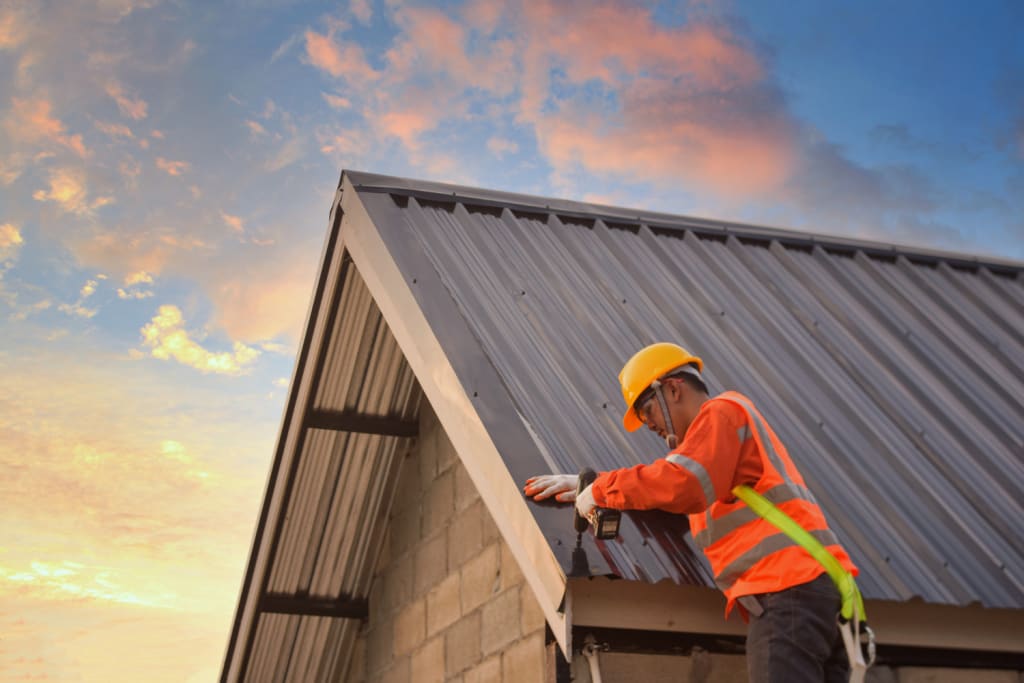
The earliest materials used in the roofing were ticks, poles, leaves, grasses, and animal skins. With the advancements in the construction industry, more options are available in the UK for building the outermost structure (roof). It is a main defense for residential and commercial properties against storms, winds, and sun.
New roofing or renovating an existing one requires shortlisting suitable roofing types used in the UK. The roofing variations differ based on the material used, with each having its pros and cons.
How are Roofing Types Differentiated in the UK?
A list of options is available for residential and commercial buildings in the UK. The Roofing contractor in Norwich is well aware of the use of the right materials for both categories.
Differences:
- Design: Commercial Roofing – Practical & functional design, Residential Roofing – Aesthetic and practical
- Size: Commercial Roofing – Larger surface, Residential Roofing – Smaller surface
- Material Choice: Commercial Roofing – Low maintenance, Residential Roofing – Resistant to external factors
Commercial Roofing in the UK
Commercial roofing is done on industrial buildings like factories, warehouses, or any place that generates business. Here are some of the commercial roofing options available in the UK to cover your business needs and building.
Metal Roofing
This type of commercial roofing in the UK is a very durable option, lasting up to 40 years or more with timely inspections and proper maintenance. Metal roofing uses aluminum, steel, or zinc, requiring skilled labor and precise proper sealing and structural alignment installation. The upfront cost is higher than the other options available in the market.
Metal roofing is a reliable investment for industrial factories and manufacturing plants. The deflection of sunlight reduces cooling costs. Metal roofs are highly resistant to fire, wind, and impact in areas with extreme weather. The Installation and additional noise insulation to soundproof the infrastructure during heavy rainfall add up to the cost.
- Pros: Durable, energy-efficient, weather-resistant
- Cons: Higher cost, noise
Single-Ply Roofing
Single-ply roofing systems are another widely considered option for commercial buildings with flat or low-sloped roofs. Each type of single-ply membrane has distinct benefits and is generally made from flexible synthetic materials such as;
- Thermoplastic Polyolefin (TPO)- Economical
- Ethylene Propylene Diene Monomer (EPDM)- Weather Resistant
- Polyvinyl Chloride (PVC)-Superior chemical and fire resistance
These commercial roofings are lightweight, easy to install, and favored for sustaining in different climates. It is most commonly used to shield retail centers and distribution warehouses due to its efficiency in covering large areas with minimal seams.
Single-ply roofs are practical, easy to install, and less costly for commercial settings. Properly maintained single-ply roofing type can last between 15 and 40 years. Costs for single-ply roofing vary by material.
- Pros: Simple to install, cost-effective, durable
- Cons: Seam vulnerability, limited aesthetics
Green Roofs
Living roofs or green roofs have a layer of vegetation planted over a waterproofing system. They are favorable for urban office buildings and environmentally conscious schools, which benefit from their stormwater management and insulation.
This commercial roofing option improves insulation, efficiently manages rainwater, and supports biodiversity. It also helps reduce the urban heat effect in buildings in densely populated areas. Careful coordination with structural engineers is required before the installation of a green roof.
This roofing structure needs seasonal pruning, watering in hot seasons, and regular drainage inspection. It has fruitful long-term value, lowering energy costs and benefiting the ecosystem.
- Pros: Sustainable, energy-efficient, durable
- Cons: Careful installation, diligent maintenance
Modified Bitumen Roofing
This durable roofing is ideal for low-slope commercial properties. It uses multiple layers of a bitumen-based membrane reinforced with fiberglass or polyester to resist structural and weather damage. It is a good investment in areas with severe climate conditions.
Modified bitumen is relatively easy to repair. Damaged sections can be patched without major disruption in performance. This waterproof system also maintains the roof structure and prevents leaks. Modified bitumen Roofing Installation is labor-intensive, but the long-term results and moderate maintenance make it a cost-effective solution for commercial properties.
- Pros: Water resistance, durable, moderate maintenance
- Cons: Not eco-friendly, absorbs heat
Mastic Asphalt Roofing
This roofing type is durable for commercial buildings prone to leakage. It is used on commercial flat roofs, with areas preferring a walkable surface for equipment access or outdoor facilities. A smooth, foot-traffic-resistant layer of asphalt mixed with fine aggregate is applied.
Mastic asphalt roofing is best for healthcare facilities and data centers where safe and durable walkable surfaces are essential. It is also recommended for commercial properties situated in areas with moderate weather conditions.
The installation requires skilled labor, but its longevity and minimal maintenance requirements justify this investment. These commercial roofs provide reliable protection.
- Pros: Durable, waterproof, low maintenance
- Cons: Careful installation, high cost, cannot sustain in high temperatures
UK Roofing Market Titbit
The UK roofing market generated a revenue of USD 4.0 billion in 2021, and concrete and clay are the major selling products. It simply means that clay tile roofing is the most used roofing type in UK residential buildings.
Residential Roofing in the UK
Once a simple task, residential roofing in the UK is now flooded with options. The right roof protects the home against different external factors.
Flat Roofing
What is better than extra space? Flat roofs look great and are spacious. The surface from flat roofing is used for solar panels, rooftop gardens, or outdoor living areas. Roofers construct them using EPDM rubber, TPO, PVC, or modified bitumen.
Flat roofs can also be easily accessed for maintenance and repair. The residential flat roofs need regular inspections to manage drainage issues and debris buildup. Modern homes with a requirement for extra space go for flat roofing.
Pros: Functional, modern, and versatile
Cons: Regular maintenance
Asphalt Shingles
This roofing type is great for regions in the UK experiencing higher temperatures than usual. Asphalt Shingles come in distinct colors and a range of qualities to meet different budgets and needs.
The plus of asphalt shingles is their affordability and durability. They can withstand sun damage and last between 20-30 years with persistent maintenance and inspections. The installation process is convenient, lowering the added labor costs.
- Pros: Cost-effective, easy to install
- Cons: Durable, sustainable in various weather conditions
Slate Roofing
Natural stones are used in the slate roofing of homes in the UK. This option is viable for residential areas receiving heavy pouring. Slate Roofing is valued in the market for its durability. This roofing lasts up to 100 years with proper maintenance.
Slate residential roofing is safe against fungus, mold, water leakage, and fire. It also has low maintenance against pests and rot attacks. However, it is more expensive than asphalt shingles and clay tiles, and additional structural support is also required to protect against its weight.
- Pros: Resistant to most external factors, durable
- Cons: Costly, heavyweight
Metal Roofing
Houses having metal roofing use steel, aluminum, or copper. This durable roofing lasts 50 to 100 years with proper maintenance. It is best for areas where temperature rises and insect infestations are common. Metal roofs can withstand moisture and decay, sustaining minimal upkeep.
Metal roofing combines longevity and low maintenance, but the upfront cost compared to Asphalt shingles and noise make it a less considerable choice.
- Pros: Durable, fire resistant, minimum maintenance
- Cons: Higher upfront cost, noise
Clay Tile Roofing
Clay tiles are another roofing material used in the UK. They are made from baked clay and come in various colors and styles. Clay tile roofs are durable and can last up to 100 years with regular maintenance.
Roofing is a long-term investment that is resistant to pests and rots and sustains with low maintenance. These residential roofing are heavier than some alternatives and are also more expensive than asphalt shingles. Their durability and visual appeal guarantee a worthwhile investment.
- Pros: Durable, pest resistant
- Cons: Heavy, higher cost
Wrapping It Up!
In the UK, roofing (the material used for making roofs) is used for commercial or residential purposes. Contractors, like roofers in Norwich, have a list of material options for houses, flats, offices, schools, and warehouse roof construction. The decision is made based on the business's needs, the location of construction, and external threats.
Metal, single-ply, green roof, bitumen roof, and mastic asphalt are top choices for roofing commercial blocks, while flat slate tile, clay tile, metal roof, or asphalt shingles are often used in home roofing.
About the Creator
Keep reading
More stories from writers in Lifehack and other communities.
Choosing Reliable Movers in Boise, Idaho: A Practical Guide for a Smooth Relocation
Relocating in Boise, Idaho, can be an exciting step, but it also comes with decisions that directly affect how smooth the experience will be. As the city continues to grow, residents have more moving options than ever before. Knowing how to identify reliable movers, rather than simply searching for the cheapest or most visible option, can help avoid delays, stress, and unexpected complications.
By House Doctor4 days ago in Lifehack
Business Setup in the UAE: A Practical Guide for Entrepreneurs
When people talk about starting a business in the UAE, the conversation usually begins with opportunity. Fast growth, global access, and a supportive environment are often highlighted. What’s discussed far less is how many decisions happen quietly in the background—long before a company is officially registered.
By Adnan Sheikh6 days ago in Lifehack
Trouble at the Tea Leafing Café
The rain had started right around the time that Annie was buttering her second thick slice of homemade toast for breakfast, and hadn’t paused since. Not that anyone could tell. The windows of the café were fogged over, and with every seat filled with happy customers munching on fresh baked pastries or steaming bowls of the delicious soup of the day, it was hardly surprising. Annie looked around the room, finally taking a moment to breathe after the lunch time rush. Her old life already felt like a bad memory, a part of her history, always, but just that. History.
By Hannah Moore3 days ago in Fiction
Living in a hemp house
Hemp, a multi-purpose crop that delivers fibres, shivs, seeds, and pharmaceuticals is currently used in insulation materials and bio-composites for a more sustainable construction industry. Russ Martin and his wife Karon Korp tell their story as owners of the first hemp house in the U.S.
By Susan Fourtané 7 days ago in Interview



Comments
There are no comments for this story
Be the first to respond and start the conversation.