
Designing a Sustainable Landscape That Helps the Environment
Landscaping

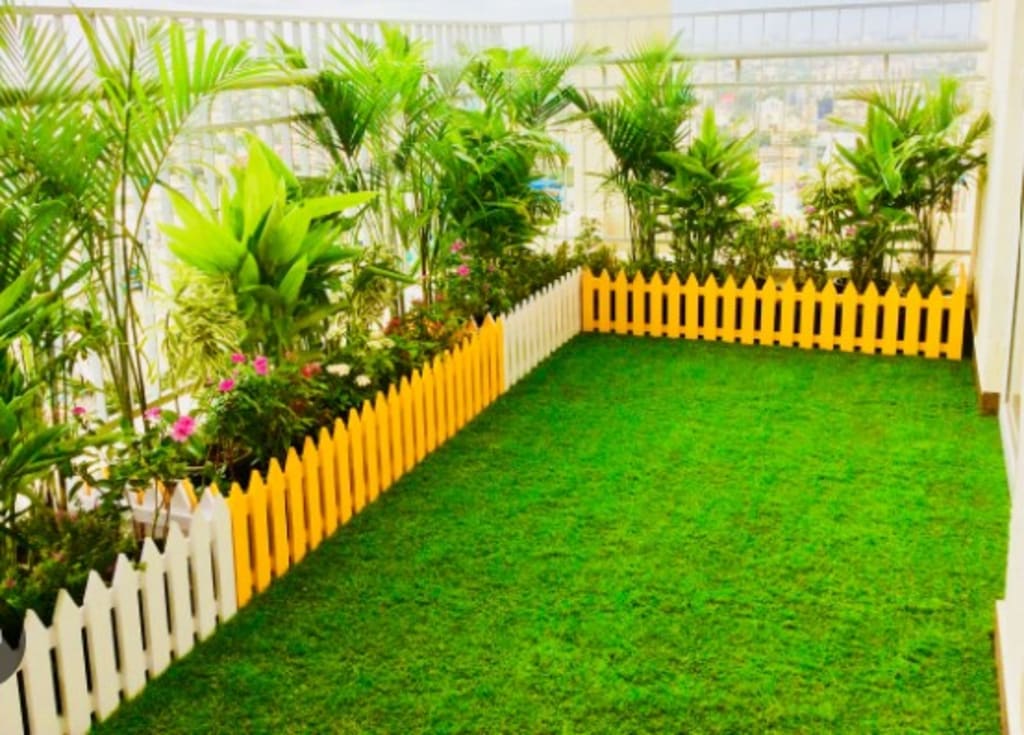
Creating a landscape that not only enhances the beauty of your property but also contributes to the well-being of the environment is a noble endeavor. By incorporating sustainable practices and thoughtful design, you can transform your outdoor space into an eco-friendly haven. In this article, we explore the key principles and strategies for designing a sustainable landscape that harmonizes with nature and supports environmental conservation.
Embrace Native Plants
Choosing native plants for your landscape design is a crucial step in promoting sustainability. Native plants are well adapted to the local climate and require less water, fertilizer, and maintenance. They also support local wildlife by providing food and shelter, enhancing biodiversity in your area.
Practice Water Conservation
Water conservation is a vital aspect of sustainable landscaping. Implementing techniques such as rainwater harvesting, drip irrigation, and utilizing water-efficient technologies can significantly reduce water usage. Design your landscape to capture rainwater and direct it towards plants, minimizing runoff and maximizing natural water resources.
Optimize Energy Efficiency
Strategically placed trees, shrubs, and trellises can provide shade and windbreaks, reducing the need for excessive cooling or heating. Incorporate shade structures and natural elements to create comfortable outdoor spaces that require less energy consumption. By optimizing energy efficiency, you can contribute to reducing greenhouse gas emissions.
Choose Sustainable Materials
When designing hardscapes or installing structures in your landscape, prioritize sustainable materials. Opt for eco-friendly options such as recycled wood, reclaimed stone, or composite materials. These choices minimize the environmental impact associated with resource extraction and promote the reuse of materials.
Incorporate Permeable Surfaces
Permeable surfaces, such as permeable pavers or gravel paths, allow rainwater to infiltrate into the soil, reducing stormwater runoff and preventing water pollution. By integrating permeable surfaces in your landscape design, you can help manage stormwater effectively and recharge the groundwater table.
Implement Efficient Waste Management
Designate areas for composting and recycling within your landscape. Composting kitchen waste and yard trimmings reduces landfill waste while providing nutrient-rich compost for your plants. Implement a comprehensive waste management system that encourages recycling and minimizes waste generation.
Attract Beneficial Wildlife
Create habitats that attract beneficial wildlife, such as bees, butterflies, and birds. Incorporate native flowering plants and provide nesting opportunities, food sources, and water features. By supporting these species, you contribute to pollination and natural pest control, promoting a healthy and balanced ecosystem.
Practice Integrated Pest Management
Embrace integrated pest management (IPM) principles to control pests without relying heavily on chemical pesticides. Utilize natural pest control methods, such as companion planting, biological controls, and physical barriers, to minimize the impact on beneficial insects and the environment.
Prioritize Soil Health
Maintaining healthy soil is essential for sustainable landscaping. Incorporate organic matter, such as compost and mulch, to improve soil fertility, moisture retention, and structure. Implement erosion control measures, such as terracing and retaining walls, to prevent soil erosion and nutrient loss.
Educate and Inspire Others
Spread the message of sustainable landscaping by educating and inspiring others. Share your knowledge and experiences with friends, neighbors, and community members. Encourage the adoption of sustainable practices and the importance of creating landscapes that benefit both people and the environment.
Designing a sustainable landscape is a powerful way to contribute to environmental conservation and create a beautiful, functional outdoor space. By embracing native plants, conserving water, optimizing energy efficiency, choosing sustainable materials, and incorporating eco-friendly practices, you can design a landscape that supports biodiversity, minimizes environmental impact, and inspires others to follow suit. Let your landscape become a beacon of sustainability and a testament to our responsibility to protect the planet.
About the Creator
Gilbert Mutongoi Ashiku
Like Informative articles on trends and tech? you are at the right place, welcome on board and enjoy my fascinating articles.
Keep reading
More stories from Gilbert Mutongoi Ashiku and writers in Lifehack and other communities.
Secrets to Personal Finance and Budgeting Success
In an age of unprecedented financial challenges, taking control of your personal finances has become more important to everyone than ever before. From managing debt to saving for the future of your familly, understanding the art of budgeting is a crucial skill everyone must have. In this article, we will reveal valuable tips, insider/professional secrets, and expert advice to help you navigate the world of personal finance and achieve financial freedom. Get ready to unlock the secrets to financial success and take charge of your financial destiny.
By Gilbert Mutongoi Ashiku3 years ago in Lifehack
You're alone, because you're lost
Being alone is a fear that one in three adults face WORLDWIDE. Why? Are we scared to be alone because we are faced with all of our thoughts we once tried to suppress? Or are we scared because we feel uncomfortable? Uncomfortable with the idea of being in a room with just you. You and your nasty thoughts. Thoughts like “Damn I should've apologized”, or “Why hasn't he texted me back?” or “I am a failure”. Yea. those thoughts. The forbidden thoughts that come sneak by the midnight hour, ...if you're lucky. You see loneliness doesn't have to be this way. It all starts with you.
By C⃣ h⃣ a⃣ n⃣ e⃣ l⃣6 days ago in Lifehack
Silken Chains
Silhouettes of the female form were given flesh and bone. Silken skin glistened under the spotlight. Dry ice rose around our Icons as they danced atop their podiums in the Square. Heralded for their beauty, their movements were slight, powerful, and sensual.
By Paul Stewart7 days ago in Fiction



Comments
There are no comments for this story
Be the first to respond and start the conversation.