
Decoding Rastafari Greetings: A Guide to Jamaican Patois
Exploring the Language and Culture Behind Rastafari Greetings in Jamaica

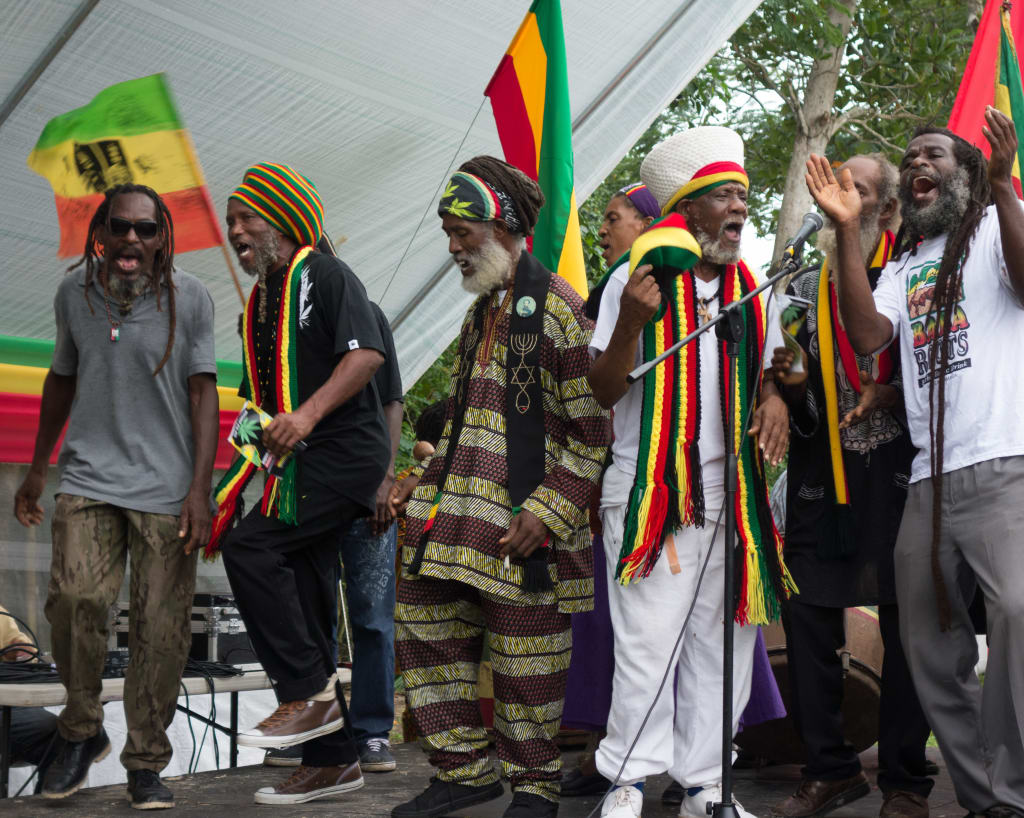
Rastafari greetings are an essential part of Jamaican culture, particularly in Rastafarianism. These greetings not only express a sense of community and belonging but also serve as a means of spiritual communication. Jamaican Patois is the language of Rastafari greetings, a creole language that combines elements of English, African languages, and Spanish. In this post, we will decode Rastafari greetings and provide a guide to Jamaican Patois, so that readers can better understand and appreciate the language and culture of Rastafari.
The Basics of Jamaican Patois
Jamaican Patois is a creole language that emerged during the era of slavery in Jamaica, as a result of the mixing of African languages with English and other European languages. Today, it is the most widely spoken language in Jamaica, and it has a unique syntax and vocabulary.
Some of the most common Jamaican Patois phrases and expressions include "wa gwaan" (what's going on), "irie" (good, great, or cool), and "big up" (to give someone respect or praise). Understanding and using these phrases is essential for communicating with Jamaicans and participating in Rastafari culture.
Jamaican Patois pronunciation can be challenging for non-native speakers, as it has a different rhythm and intonation than standard English. Some tips for improving your Jamaican Patois pronunciation include listening to native speakers, practicing with online resources, and paying attention to the stress and melody of words.
Understanding Rastafari Greetings
Rastafari greetings are a way of acknowledging and showing respect to fellow members of the Rastafari community. These greetings often convey a sense of unity, spirituality, and cultural identity. They are also a way of affirming one's connection to Jamaica and its rich cultural heritage.
"One Love" - This greeting is perhaps the most well-known Rastafari greeting, popularized by the legendary Jamaican musician Bob Marley. It conveys a sense of unity and love among all people, regardless of race or nationality.
"Jah guide" - This greeting is a way of acknowledging the presence and guidance of Jah, the Rastafari name for God. It can also be used as a farewell, wishing someone safe travels under Jah's protection.
"Irie" - This greeting is a common way of asking how someone is doing, and is often used to express a positive vibe or feeling. It can also be used as an exclamation of joy or satisfaction.
Rastafari greetings have their roots in Jamaican Patois, a creole language that developed from a combination of West African languages, English, and other European and Indigenous languages. The Rastafari movement emerged in Jamaica in the 1930s, and was heavily influenced by Jamaican Patois and its unique cultural expressions.
Many Rastafari greetings also draw on Biblical and spiritual themes, reflecting the movement's strong connection to Christianity and Afrocentric spirituality. The use of Jah as a name for God, for example, comes from the Rastafari belief in the divinity of Haile Selassie I, the former emperor of Ethiopia who is revered as a messianic figure.
Jamaican Patois Phrases for Everyday Use
Jamaican Patois, also known as Jamaican Creole, is a language spoken in Jamaica that is heavily influenced by African languages, English, and Spanish. While it may be difficult for non-native speakers to understand at first, learning a few key phrases can be helpful for travelers and those who wish to engage with Jamaican culture. In this section, we will provide some useful Jamaican Patois phrases for everyday use.
Useful Jamaican Patois phrases for travelers and visitors
"Wa Gwaan?" - This is a common greeting in Jamaican Patois that means "What's going on?" or "How are you?"
"Weh yuh come from?" - This phrase means "Where are you from?"
"Mi a gwaan now" - This means "I am leaving now."
"Big up yuhself" - This is a way of saying "Respect yourself" or "Be proud of yourself."
"Bless up" - This phrase means "Have a good day" or "Take care."
Greetings for different times of day and occasions
"Good morning" - "Mawnin" or "Good mawnin"
"Good afternoon" - "Good affanoon"
"Good evening" - "Good evenin"
"Good night" - "Good nite"
Simple phrases for engaging in conversation
"Wha yuh name?" - This means "What is your name?"
"Mi name ______" - "My name is _______"
"How yuh stay?" - This phrase means "How are you?" or "How are you doing?"
"Mi deh yah" - This means "I'm here" or "I'm around."
"Mi nuh undastan" - This phrase means "I don't understand."
Tips for Using Jamaican Patois and Rastafari Greetings
Etiquette for using Jamaican Patois and Rastafari greetings
When using Jamaican Patois and Rastafari greetings, it's important to be respectful and mindful of the culture and its traditions. Here are a few etiquette tips to keep in mind:
Use appropriate greetings: Different Rastafari greetings are used for different occasions and times of day, so make sure to use the appropriate greeting for the situation.
Be aware of your tone and body language: Jamaican Patois is a language that relies heavily on tone and body language to convey meaning, so make sure to pay attention to these cues when speaking.
Avoid appropriating or misusing language: Jamaican Patois is a language with deep cultural and historical significance, so it's important to use it respectfully and avoid appropriating or misusing language.
Dos and don'ts of Jamaican Patois usage
Here are a few dos and don'ts of using Jamaican Patois:
- Do use Jamaican Patois to show respect and appreciation for Jamaican culture.
- Do learn the correct pronunciation and usage of words and phrases before using them.
- Don't use Jamaican Patois to mock or stereotype Jamaicans or their culture.
- Don't assume that all Jamaicans speak Jamaican Patois or use Rastafari greetings.
Suggestions for practicing and incorporating Rastafari greetings into daily life
If you're interested in incorporating Rastafari greetings and Jamaican Patois into your daily life, here are a few suggestions:
Practice common phrases: Start by learning and practicing common Jamaican Patois phrases and greetings for different times of day and occasions.
Listen to Jamaican music and watch Jamaican movies: Listening to reggae music and watching Jamaican movies can help you become more familiar with Jamaican Patois and Rastafari greetings.
Visit Jamaica: Immersing yourself in Jamaican culture and hearing Jamaican Patois and Rastafari greetings in context can help you better understand and appreciate the language and culture.
Conclusion
This post has explored the significance of Rastafari greetings in Jamaican culture, the basics of Jamaican Patois, understanding Rastafari greetings, Jamaican Patois phrases for everyday use, and tips for using Jamaican Patois and Rastafari greetings. It is evident that language and culture play a vital role in the understanding and appreciation of Rastafari greetings.
By incorporating Rastafari greetings into our daily lives, we can deepen our understanding and appreciation of Jamaican culture and the Rastafari movement. It is crucial to use Jamaican Patois and Rastafari greetings with respect and consideration for their cultural significance.
Therefore, we encourage readers to continue learning about Jamaican Patois and Rastafari culture, and to practice using Rastafari greetings in their daily lives. Through this, we can honor the rich traditions and history of Rastafari and Jamaican culture.
Final Note
If you’re interested in exploring who is Jah further, we invite you to check out Fifth Degree’s collection of Rastafarian clothing. Our clothing is designed to reflect the spirit and teachings of Rastafarianism, with bold colors, empowering messages, and a commitment to sustainability and ethical production. We believe that what you wear can be a powerful expression of your values and beliefs, and we’re proud to offer a range of high-quality, stylish, and socially conscious clothing for individuals who are seeking to live in harmony with nature and the divine. Visit our website today to learn more about our collection and find the perfect Rastafarian clothes for woman for you.
About the Creator
Four Ways To Extend the Lifespan Of Your Natural-Materials Home
Homes made from natural materials have unique needs to support their longevity. Homes made from natural materials can have a long lifespan and use energy more efficiently than standard materials. You can extend the lifespan of those materials with certain products and practices.
By Andrew Lemieux6 days ago in Lifehack



Comments
There are no comments for this story
Be the first to respond and start the conversation.