
DATA > GOLD
Why you should be sensitive about your personal data

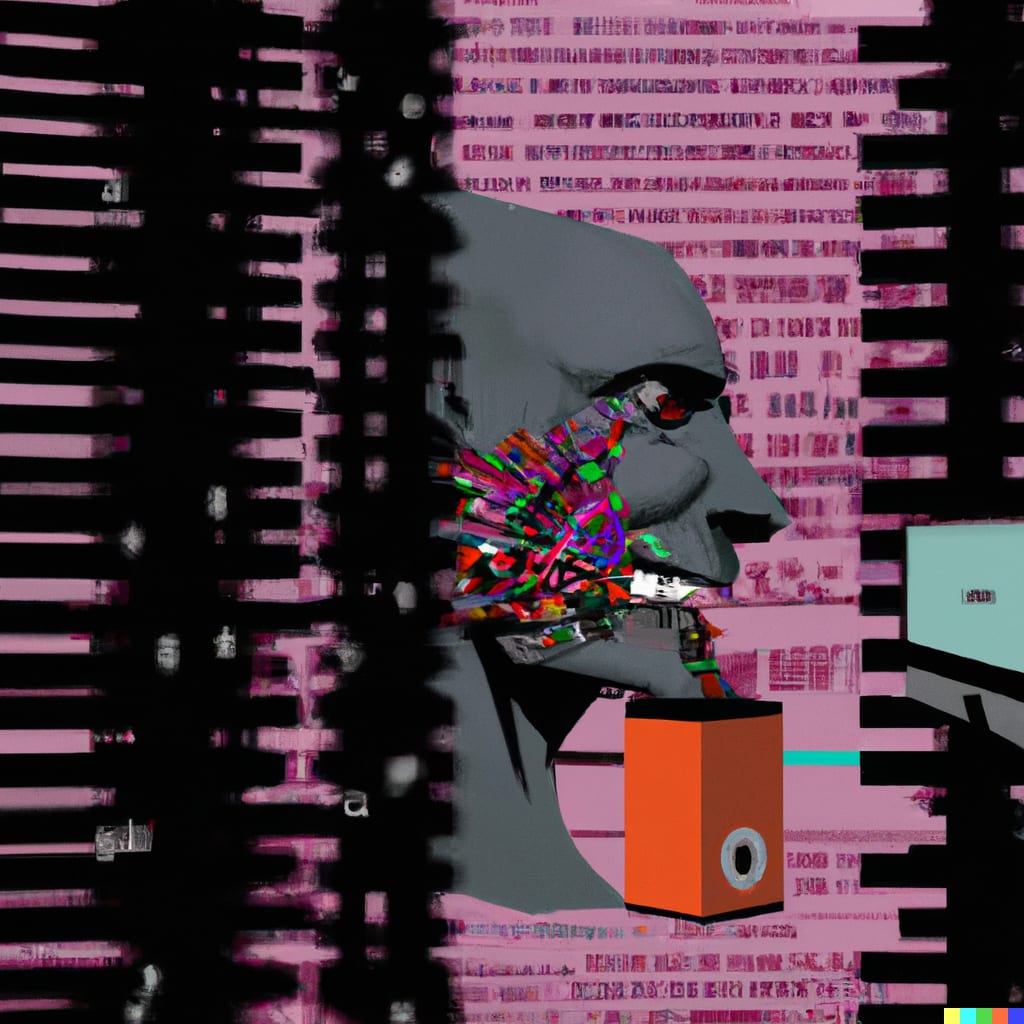
In today's digital age, being sensitive about your private data is crucial. With the widespread use of technology and the internet, personal information is readily available and accessible to many individuals and organizations. Here are some reasons why one should be mindful of their private data. Sharing personal information online increases the risk of identity theft and cybercrime. Criminals can use this information for malicious purposes, such as stealing money, opening fraudulent accounts, or spreading false information. This can have devastating consequences for individuals, both financially and emotionally. When personal information is shared online, it can be difficult to control who has access to it. This can lead to a loss of privacy, as individuals and organizations can gather and use sensitive information for their own purposes. This information can also be used to create a profile of a person, which can be used for advertising, marketing, or even to influence political opinions. Private information, when leaked or shared, can damage an individual's reputation. This can have serious consequences, particularly for those in professional fields, where a tarnished reputation can lead to the loss of business or employment opportunities. Reputation is hard to build, but can be easily destroyed. Sharing sensitive information, such as health or financial data, can also have adverse consequences. For example, insurance companies can use information to adjust premiums, and employers can use information to make hiring decisions. This can limit opportunities for individuals and have a long-lasting impact on their lives.
Whats happening to personal data once its in the internet
Once personal data is in the internet, it can have a number of different outcomes. Here are a few possibilities:
- Data Collection: Companies, organizations, and governments can collect personal data from the internet for various purposes, such as market research, data analysis, or to track consumer behavior. This information can be used to create profiles of individuals, which can then be used for advertising, marketing, or other purposes.
- Data Sharing: Personal data can be shared between individuals, organizations, and companies through the internet. This information can be used to create social media profiles, online marketplaces, or other online services. It can also be shared between governments and law enforcement agencies for purposes such as national security or criminal investigations.
- Data Breaches: Personal data can also be vulnerable to data breaches, where unauthorized individuals or organizations gain access to sensitive information. This can lead to identity theft, cybercrime, and other malicious activities.
- Data Loss: Personal data can also be lost due to technical errors, such as server crashes or software malfunctions. This can result in the permanent loss of personal information, and make it difficult or impossible for individuals to recover their data.
- Data Mining: Personal data can also be mined for valuable insights, such as consumer behavior, buying patterns, or demographic information. This information can then be used to create more targeted and effective advertising campaigns, or to inform business decisions.
Personal data in the internet can have many different outcomes, some of which may be beneficial to individuals and organizations, while others may be harmful. It's important to be mindful of the information that is shared online, and to take steps to protect personal data from potential security risks, loss, or misuse.
Can you delete all your entered data in the internet?
- It is possible to delete some of the personal data that is available on the internet, but it can be a challenging and time-consuming process. Here are a few things to consider:
- Social Media: Most social media platforms have options for users to delete their profiles or certain pieces of information. However, it's important to keep in mind that some information may still be available through backups or cached versions of the site.
- Online Services: Many online services, such as email providers, online marketplaces, and cloud storage, also allow users to delete their accounts and personal data. However, it's important to read the terms of service and privacy policy of these services to understand what information may still be retained by the company.
- Third-Party Sites: Personal data may also be available on third-party sites, such as directories or public records sites. In these cases, it may be necessary to contact the site owner directly to request the removal of personal information.
- Search Engines: Personal data may also be available through search engines, such as Google or Bing. To remove this information, individuals may need to take steps to remove it from the source websites or request that the search engines remove the information from their index.
While it is possible to delete some personal data from the internet, it can be a challenging and time-consuming process. It's important to understand the different options and steps that are available for removing personal data, and to take a proactive approach to protecting privacy online.

DATA > GOLD
Data has become more valuable than gold in the digital age due to a combination of technological advancements and changes in the way businesses operate.
In the digital age, data is the driving force behind many businesses. Companies use data to inform their decisions, improve their products, and target their advertising and marketing efforts. As a result, data has become a valuable commodity, with companies willing to pay large sums of money to acquire and analyze it. Data has become a highly sought after asset, with companies using it to monetize their operations. This can include selling data to other companies, using it to create new products, or using it to inform their own business decisions. With the growth of cloud computing and other technological advancements, data has become a service that companies can offer to other businesses. This allows companies to access valuable information without having to collect it themselves, and has further increased the value of data. Data is Scalable. Unlike physical commodities, such as gold, data can be easily replicated and shared, making it a highly scalable asset. This scalability has allowed companies to leverage data in new and innovative ways, making it more valuable than ever before. Data is Non-Depletable. Unlike physical commodities, such as gold, data is a non-depletable resource. This means that companies can continue to collect, analyze, and monetize data for years to come, making it an extremely valuable asset. Data has become more valuable than gold in the digital age due to a combination of technological advancements, changes in the way businesses operate, and the growing importance of data in the global economy. As a result, data has become one of the most valuable commodities in the world, and its value is only set to continue to increase in the future.
In conclusion, being sensitive about one's private data is important in the digital age. By being mindful of what information is shared online, individuals can protect themselves from potential security risks, loss of privacy, reputation damage, and adverse consequences. It's always better to err on the side of caution and protect one's personal information.
About the Creator
Karel Novák
Karel is a leading figure in the global renewable energy community, and his work has been recognized with several awards and honors. He is respected for his technical expertise, his innovative solutions, and his passion for sustainability.
Keep reading
More stories from Karel Novák and writers in Lifehack and other communities.
Improve your communication
"You cannot not communicate." - Paul Watzlawick This quote highlights the idea that communication is an ongoing process, and that every interaction and behavior we engage in sends a message to others. It suggests that there is no such thing as a neutral or non-communicative act, and that even when we try to avoid communicating, we are still communicating something to those around us. This is an important reminder that our actions and words have an impact on those around us, and that it is crucial to be mindful of the messages we are sending and the impact they may have.
By Karel Novák3 years ago in Lifehack
Yoga Brisbane and the Rise of Consistent Practice in a High-Pressure City
Brisbane has changed significantly over the past decade. Once seen as a slower-paced alternative to Australia’s larger capitals, the city now carries many of the same pressures found elsewhere: demanding workloads, blurred boundaries between professional and personal time, constant connectivity, and a strong expectation to keep moving forward. In this environment, wellbeing has shifted from an abstract ideal to a practical concern. For many residents, Yoga Brisbane has become less about novelty or fitness trends and more about building consistency in a city that rarely slows down.
By Rochelle Martinez5 days ago in Lifehack
Restaurant POS System Made Simple: Understanding POS System Meaning in Real Life
When operating a restaurant, it is much more than just cooking great food. Managing the flow of orders in addition to accurate tracking of food and beverage products utilized, in order for your guests to have an enjoyable dining experience. All of this can be done efficiently and accurately through a Restaurant Point Of Sale (POS) System. To truly understand the potential advantages to an establishment, it is helpful to obtain a firm understanding of the Definition of a POS System, and how it fits into the Restaurant Inventory Management Systems that help restaurants manage daily operational activities.
By Abdul Ahad3 days ago in Lifehack




Comments
There are no comments for this story
Be the first to respond and start the conversation.