
Customizing Lab-Grown Diamond Earrings: Everything You Need to Know
Choosing the Right Metal and Setting for Your Earrings

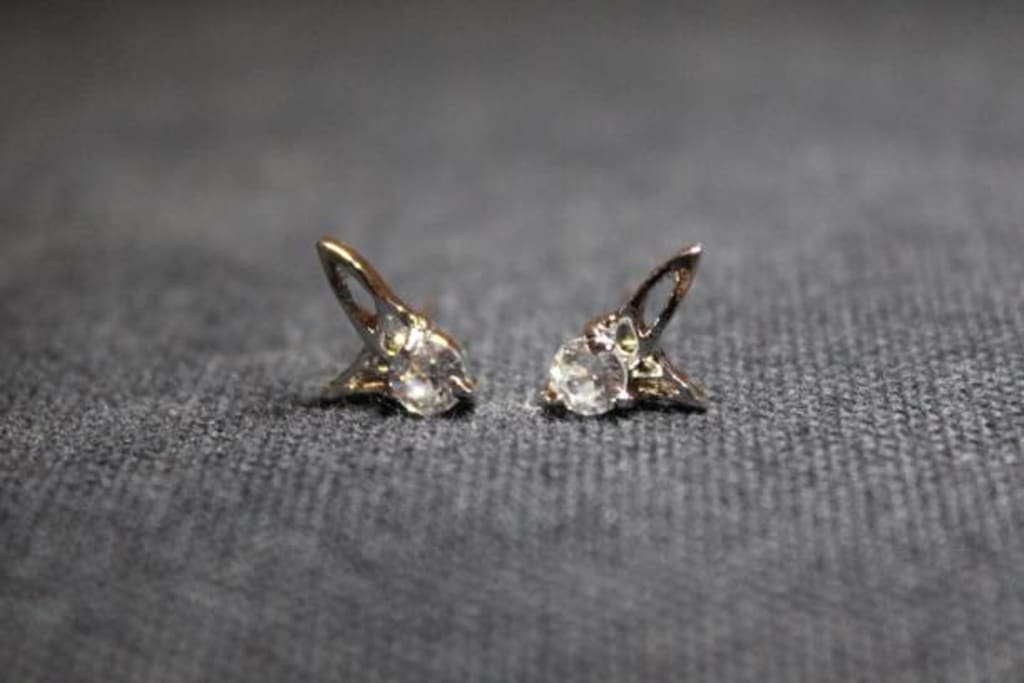
Lab-grown diamonds have become an exciting and popular option for people looking for beautiful, sustainable, and affordable jewelry. Whether you're buying a pair of earrings for yourself or as a gift, choosing the perfect lab-grown diamond earrings can be a fun and rewarding experience. This article will guide you through everything you need to know about customizing lab-grown diamond earrings, from understanding lab-grown diamonds to choosing the right diamond, metal, setting, and style.
Understanding Lab-Grown Diamonds
Lab-grown diamonds, also known as synthetic or man-made diamonds, are created in a laboratory using advanced technology. Unlike natural diamonds, which are formed deep within the Earth over millions of years, lab-grown diamonds are made through two main processes: High-Pressure High-Temperature (HPHT) and Chemical Vapor Deposition (CVD).
In both methods, carbon atoms are arranged in a crystal structure that is identical to the structure of natural diamonds. As a result, lab-grown diamonds have the same physical and chemical properties as natural diamonds, including their brilliance, hardness, and color.
One of the major benefits of lab-grown diamonds is that they are considered more environmentally friendly and socially responsible than traditional diamond mining. Diamond mining can lead to environmental damage and exploitation of workers in some parts of the world. By choosing a lab-grown diamond, you help reduce these negative impacts. Additionally, lab-grown diamonds are more affordable than natural diamonds, making them a more accessible option for many people.
Choosing the Right Diamond
When selecting a lab-grown diamond for your earrings, it's important to consider the 4Cs: Carat, Color, Clarity, and Cut. These four factors determine the overall quality and value of a diamond.
Carat refers to the weight of the diamond. One carat is equal to 200 milligrams. Larger diamonds are rarer and more expensive, but smaller diamonds can still be beautiful and eye-catching.
Color is a key factor in determining a diamond’s quality. Lab-grown diamonds come in a range of colors, from colorless (D grade) to light yellow or brown. The less color a diamond has, the higher its value.
Clarity refers to the presence of internal or external imperfections, known as inclusions and blemishes. The fewer imperfections, the higher the clarity and value of the diamond.
Cut is one of the most important factors affecting a diamond’s beauty. A well-cut diamond reflects light in a way that maximizes its sparkle and brilliance. Popular diamond shapes include round, princess, emerald, oval, pear, and marquise.
When choosing your diamond, think about your budget and personal style. It's important to pick a diamond that reflects your preferences while staying within your price range. Also, consider the certification and warranty that come with the diamond. Look for diamonds that have been certified by reputable organizations like GIA (Gemological Institute of America) or IGI (International Gemological Institute) to ensure quality.
Selecting the Perfect Metal and Setting
Once you've chosen your diamond, the next step is to decide on the metal and setting for your earrings. Both the metal and the setting play an important role in the overall look and durability of your earrings.
Metals: Lab-grown diamonds can be set in a variety of metals, including gold (yellow, white, and rose), platinum, and palladium. Each metal has its own benefits. For example, platinum is durable and hypoallergenic, making it an excellent choice for people with sensitive skin. Gold, on the other hand, is versatile and comes in different colors to match your personal style. Rose gold has a warm, romantic look, while white gold provides a sleek and modern appearance.
Setting: The setting holds the diamond in place and can affect the overall design of the earrings. Common settings include:
Prong: A classic setting that allows maximum light to enter the diamond, making it appear more brilliant.
Bezel: A metal band surrounds the diamond, offering a secure setting and modern look.
Halo: Small diamonds surround the main diamond, enhancing its size and sparkle.
Tension: The diamond is held in place by the tension of the metal band, creating a floating effect.
Pave: Small diamonds are set closely together along the band or setting for a continuous sparkle.
Channel: Diamonds are set into a channel of metal, providing a smooth and secure setting.
Choose a setting that complements the size and shape of your diamond while offering durability and security.
Design and Customization Options
One of the best things about lab-grown diamond earrings is the wide range of customization options available. You can design a pair of earrings that reflect your personality and style. Here are some ideas for customizing your earrings:
Earring Style: Choose from different earring styles, such as stud, hoop, drop, or dangle. Stud earrings are classic and versatile, while hoop earrings add a bit more movement and flair. Drop and dangle earrings offer a more elegant look with diamonds that hang below the earlobe.
Diamond Arrangement: The arrangement of diamonds in your earrings can make a big difference in their overall appearance. You can opt for a single diamond for a simple and timeless look, or go for a more intricate design with three-stone settings or pave diamonds.
Personalization: To make your earrings even more special, consider adding colored gemstones or engravings. Birthstones or other meaningful stones can add a personal touch, while an engraving inside the earring’s band can commemorate a special occasion.
Work with a professional jeweler or designer to bring your ideas to life and create a custom design that’s perfect for you.
Sustainability and Environmental Benefits
One of the biggest reasons people choose lab-grown diamonds is the positive environmental impact. Unlike traditional diamond mining, which can cause harm to ecosystems and wildlife, lab-grown diamonds have a much lower environmental footprint. By choosing a lab-grown diamond, you're supporting a more sustainable and ethical industry. Additionally, lab-grown diamonds are free from the human rights concerns often associated with diamond mining.
When purchasing lab-grown diamonds, make sure to look for certification that confirms the diamond's ethical origin. Choose a company that prioritizes sustainability and transparency in its practices.
Budget and Pricing
Lab-grown diamonds are typically 20-40% less expensive than natural diamonds, which makes them an attractive option for those on a budget. However, the price of a lab-grown diamond still depends on factors such as carat size, color, clarity, and cut. Be sure to set a budget and work with a professional to find a diamond that fits your financial plan.
If you're looking to spread the cost of your purchase, consider financing options or payment plans offered by many jewelers.
Certification, Warranty, and Maintenance
When purchasing a lab-grown diamond, it's essential to look for certification from reputable gemological laboratories like GIA, AGS, or IGI. Certification ensures that your diamond has been thoroughly inspected and meets certain quality standards.
Also, consider the diamond’s warranty and maintenance requirements. Many jewelers offer warranties that cover damage or defects. Additionally, make sure you understand the company's return and exchange policies in case you're not fully satisfied with your purchase.
Finally, you may want to purchase insurance for your lab-grown diamond earrings. Insurance can protect your investment in case of loss, theft, or damage.
Popular Styles and Trends
Lab-grown diamond earrings are available in a variety of styles to suit different tastes. Some popular trends in the world of diamond earrings include:
Minimalist designs: Simple, elegant earrings with clean lines and subtle designs.
Vintage styles: Designs inspired by past decades, often featuring intricate details and classic settings.
Modern looks: Sleek, contemporary designs that emphasize bold shapes and unique settings.
If you're unsure about which style to choose, work with a jeweler to create a custom design that fits your personal taste and current trends.
Working with a Professional
Choosing lab-grown diamond earrings is an exciting journey, but it's important to work with a professional who specializes in diamonds. A reputable jeweler can guide you through the selection process, help you choose the right design, and ensure the quality of the diamond. Make sure to ask about their return and exchange policies and check their experience with customizing lab-grown diamonds.
With the right knowledge and a little creativity, you can create the perfect pair of lab-grown diamond earrings that reflect your style, values, and budget.
About the Creator
c6diamonds
Discover beautiful and sustainable lab-grown diamond rings online at c6diamonds jewellery. Explore our collection of ethically sourced and eco-friendly diamond rings.
Keep reading
More stories from c6diamonds and writers in Lifehack and other communities.
The Surprising Way Positive Thinking Can Change Your Life
Let me tell you the story of how I almost didn't win a car. Yup. You've heard it right. A car. But we almost didn't enter the raffles, thinking "Well, out of the thousands that applied, it's impossible to win".
By Anie the Candid Writer Abroad4 days ago in Lifehack
Living in a hemp house
Hemp, a multi-purpose crop that delivers fibres, shivs, seeds, and pharmaceuticals is currently used in insulation materials and bio-composites for a more sustainable construction industry. Russ Martin and his wife Karon Korp tell their story as owners of the first hemp house in the U.S.
By Susan Fourtané about 9 hours ago in Interview


Comments
There are no comments for this story
Be the first to respond and start the conversation.