
Critical Mistakes to Avoid When Hiring an Engine Crane
Engine Crane Hire
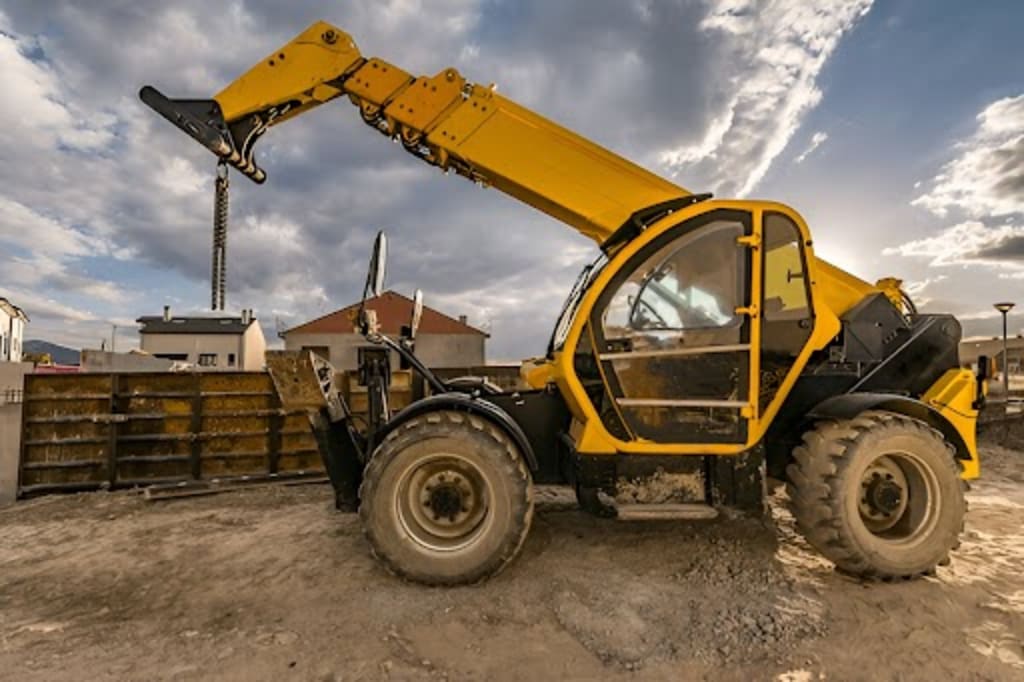
Engine cranes, also known as shop cranes or engine hoists, are essential tools for mechanics, automotive workshops, and industrial applications. They provide the lifting power needed to remove and install heavy engines, transmissions, and other bulky components. However, hiring the wrong engine crane can lead to safety hazards, project delays, and unnecessary expenses.
To ensure a smooth and cost-effective rental experience, it’s crucial to avoid common mistakes when selecting an engine crane. This guide highlights five critical errors to steer clear of when hiring an engine crane, helping you make an informed decision that maximizes efficiency and safety.
Underestimating Weight Capacity Requirements
One of the most dangerous mistakes in engine crane selection is failing to properly assess weight requirements. Every engine crane has specific load capacity ratings that must be strictly observed. Attempting to lift loads beyond the crane's capacity can lead to catastrophic equipment failure, personal injury, and property damage.
Ignoring Workspace Constraints
Many renters overlook the importance of evaluating their workspace before selecting an engine crane. These machines require adequate clearance for operation, and failing to account for spatial limitations can render a crane unusable or unsafe in your specific environment.
Neglecting Safety Features and Inspections
Safety should always be the top priority when working with heavy lifting equipment. Some renters make critical errors of prioritizing cost over essential safety features or skipping pre-use inspections entirely.
Overlooking Operator Experience and Training
Even the best equipment becomes dangerous in untrained hands. A common and potentially disastrous mistake is assuming that operating an engine crane requires no special knowledge or training. Improper use can lead to dropped loads, tip-overs, and serious injuries.
Failing to Understand Rental Terms and Conditions
Rushing into a rental agreement without fully understanding the terms can lead to unexpected costs and liabilities. Many renters make the mistake of focusing solely on the daily rate while overlooking important contract details.
Carefully review all rental terms, including:
- Duration policies and late return penalties
- Insurance coverage and liability limitations
- Delivery, setup, and pickup requirements
- Maintenance responsibilities and repair policies
- Proper usage restrictions and prohibited applications
Clear understanding of these terms prevents disputes and ensures you're adequately protected throughout the rental period.
Choosing Based Solely on Price
Instead of focusing only on cost, evaluate the overall value proposition. Consider factors like equipment condition, included features, the rental company's reputation, and available support services. Sometimes paying slightly more for a well-maintained crane from a reputable provider saves money by preventing downtime and ensuring reliable performance.
Improper Load Handling Techniques
Even with the right equipment, improper load handling can create dangerous situations. Common mistakes include:
- Failing to properly secure the load before lifting
- Using damaged or inappropriate slings and attachments
- Making sudden movements or jerky hydraulic operations
- Attempting to move the crane while under load
- Overextending the boom beyond safe limits
Conclusion
Hiring an engine crane requires careful consideration beyond simply selecting the first available option. By avoiding these common mistakes - from capacity miscalculations to safety oversights - you can ensure a successful, incident-free rental experience.
Remember that proper planning, thorough equipment evaluation, and strict adherence to safety protocols are investments that pay dividends through efficient operations and accident prevention. Whether you're a professional mechanic or tackling a major DIY project, taking the time to hire and use an engine crane correctly will lead to better results and peace of mind.
About the Creator
Keep reading
More stories from Lauren Bracy and writers in Lifehack and other communities.
Top Tips for Working with a Structure Consulting Engineer
Working with a Structure Consulting Engineer is one of the smartest decisions you can make when planning a construction, renovation, or extension project. Whether you're building from the ground up or modifying an existing structure, their expertise helps ensure the safety, durability, and compliance of your design.
By Lauren Bracy6 months ago in Lifehack
How to Travel the Ella Odyssey Train Route in Sri Lanka
Taking a train ride in Sri Lanka is undoubtedly a unique experience, and there can hardly be a finer choice in this regard than riding the Ella Odyssey, a special luxury train service targeted mainly at tourists. You may well have seen images of the scenic sights that you can experience on this distinctive journey, which may be counted amongst the most picturesque in the world. Some useful information regarding enjoying this amazing ride is provided below.
By ameliarosannaabout 12 hours ago in Lifehack
“I Forgot How to Be Bored (And It Was Ruining My Focus)”
Let’s be real—my phone was low-key ruining my life. I’m gonna be 100% honest: it got pretty embarrassing. I reached a point where I couldn’t even wait for the coffee to brew without my hand "magically" grabbing my phone. It wasn’t even a choice anymore; it was just this mindless, zombie-like reflex. I’d spend an hour scrolling through absolute junk and then realize I didn't remember a single thing I saw. My focus? Completely trashed.
By Demiana Louis Boshraa day ago in Lifehack



Comments
There are no comments for this story
Be the first to respond and start the conversation.