
Creating the perfect senior living room
Creating a Comfortable and Safe Living Room for Seniors - Balancing Accessibility with Style and Warmth
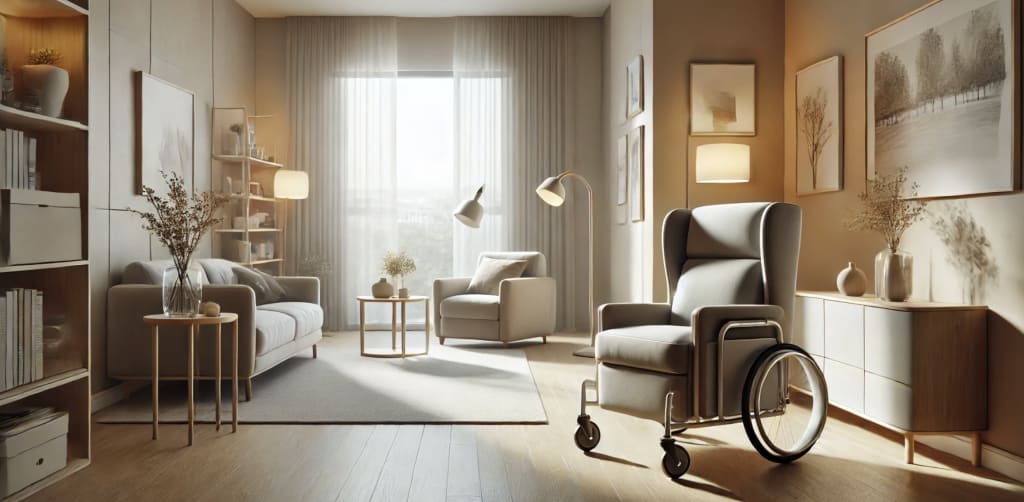
The living room often serves as the heart of the home – it’s where relaxation, connection, and comfort come together. When designing a living room specifically for seniors, certain practical elements become more important. Safety, accessibility, and comfort need to be at the forefront, but that doesn’t mean style and personality should be overlooked. With a bit of careful planning, it’s possible to create a senior-friendly living room that’s not only functional but also beautifully welcoming, providing a space that feels both safe and uniquely inviting.
Prioritizing Safety and Accessibility
When it comes to creating a senior-friendly living room, ensuring safety is essential. A living room that’s easy to navigate can make a significant difference in helping seniors feel confident, relaxed, and independent within their own space. Start by keeping pathways wide and unobstructed, so there’s no need to maneuver around unnecessary objects; in fact, minimizing excess furniture or decor can really open up the space. Instead of the traditional heavy plank table, which can be easy to bump into, side tables positioned close to seating allow for easier access while keeping the central floor area free.
Flooring is another critical element that shouldn’t be overlooked. Select slip-resistant flooring materials, such as matte-finish hardwood or low-pile carpet, which are less likely to cause trips or slips. For those who prefer rugs, it’s crucial to choose ones with anti-slip backing to keep them securely in place. These small but essential details are key in creating a safer environment that remains visually appealing.
Choosing Supportive and Comfortable Seating
One of the most important aspects of a senior’s living room is the seating. With age, getting in and out of very low or overly soft chairs becomes more challenging. Selecting chairs and sofas with firmer cushions and a higher seat height can make sitting down and standing up a smoother and more comfortable process. Additionally, sturdy armrests offer valuable support, especially for seniors who may have limited mobility or need extra help with balance.
It might be worth considering a lift chair, which gently elevates the user to a standing position, making it easier to get up safely. Lift chairs are available in various styles, so there’s no need to sacrifice aesthetic appeal for functionality. Recliners can also offer a high level of comfort, but it’s important to select a model that operates smoothly and is easy to control. Avoiding furniture that’s too low or lacks sufficient support can prevent strain and ensure that the seating arrangement remains as comfortable as it is stylish. Keep in mind that if you need to replace some furniture, you should still focus on the interior design. For instance a beautiful dark wooden table would fit well with some low chairs in light colors.
Lighting for Ambiance and Functionality
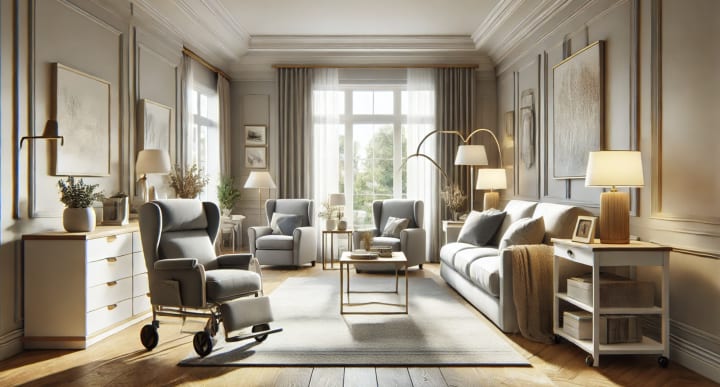
In any living room, lighting is essential, but for seniors, it plays an even bigger role. Vision often changes with age, making dim or uneven lighting problematic for everyday activities. Layered lighting can be a wonderful solution, as it combines ambient, task, and accent lighting to create a balanced brightness throughout the space. Use a blend of overhead lights, floor lamps, and table lamps to provide even, glare-free illumination.
For convenience, choose lamps with easy-to-use switches, such as touch-activated options, which require less dexterity than traditional switches. Natural light is equally important, as it has a positive impact on mood and visibility, so keep window treatments light and easy to open. Light-filtering shades or sheer curtains allow ample daylight while minimizing glare, making the room feel open and cheerful.
Functional and Accessible Storage
Accessible storage is key in a senior-friendly living room. Storage that can be reached without needing to bend, stretch, or strain makes daily life easier and safer. Opt for low cabinets or sideboards that keep frequently used items within arm’s reach. Built-in shelving can also be helpful for organization, keeping the space tidy without requiring seniors to navigate clutter.
Side tables with drawers or compartments for essentials like reading glasses, remote controls, and books are both convenient and easy to access. These pieces also double as convenient spots for drinks, snacks, or personal items. An organized, clutter-free living room is not only more functional but also adds to the sense of calm, making the environment a more enjoyable place to be.
Creating a Calming Color Scheme
Color plays a huge role in shaping the mood of any space, and for a senior living room, a soft and calming palette works best. Neutral tones, along with gentle blues or earthy greens, make for a soothing backdrop that isn’t overly stimulating. These colors lend a sense of tranquility to the room, ideal for relaxation and unwinding.
To add warmth without overwhelming the senses, consider subtle accents in warmer shades, such as rust, terracotta, or mustard. Patterns should be kept understated, as overly busy designs can make a room feel cluttered and visually tiring. By sticking to gentle, harmonious colors, the space remains open, serene, and visually comfortable, creating an ideal environment for both rest and socializing.
Personal Touches for a Cozy, Homelike Feel
While it’s crucial to focus on function and safety, it’s just as important that the living room feels personal and inviting. Including familiar items like family photos, favorite artwork, or a cherished blanket brings warmth and character to the room. These personal touches add a sense of familiarity, transforming the space from merely functional to genuinely homelike.
Incorporating sentimental items such as a well-loved chair, a handmade quilt, or a favorite collection of books creates an emotional connection to the space. These additions not only personalize the decor but also add a comforting, lived-in quality. Even small details, like a vase of fresh flowers or a piece of pottery with a story behind it, can make the living room feel welcoming and deeply meaningful.
Entertainment and Technology
Many seniors enjoy watching TV, listening to music, or using technology to stay in touch with family and friends. Position the television at a height that’s easy on the neck, and ensure that the sound system is clear and simple to adjust. A universal remote or voice-activated assistant can add convenience, making it easier for seniors to control devices without needing to handle multiple remotes.
Make sure to keep cables and cords safely tucked away to reduce the risk of tripping. Small, accessible charging stations for devices like phones or tablets also provide easy access to entertainment and connectivity, making it simpler to keep up with loved ones and stay engaged in daily activities without unnecessary hassle.
A Balance of Practicality and Beauty
Creating the ideal living room for a senior loved one is all about finding the perfect balance between practicality and beauty. The goal is to design a space that respects the specific needs of aging while preserving warmth, elegance, and personal style. A well-designed senior-friendly living room should feel not only safe and accessible but also warm, inviting, and full of charm.
With thoughtful choices in layout, furniture, and color palette, it’s possible to make a living room that provides both comfort and independence. Each element, from accessible furniture to calming colors and meaningful decor, contributes to an environment that’s both supportive and visually appealing. Whether for yourself or a loved one, a well-planned living room can enhance comfort, boost confidence, and provide a truly joyful space for relaxation and connection.
About the Creator
Keep reading
More stories from Michael Venlet and writers in Lifehack and other communities.
Transform Your Living Room with Plank Tables, Sofas, and Cabinets
Decorating a living room can often feel like a balancing act between style and functionality. While it’s easy to get swept up in the latest trends, there’s something timeless about furnishing your space with pieces that have a real sense of character. Think plank tables, inviting sofas, and elegant cabinets – not just furniture, but elements that tell a story. These pieces don’t rely on flashy gadgets or modern gimmicks to stand out. Instead, they bring warmth, personality, and a sense of permanence to a home. All the things that makes your guests feel welcome when they enter your beautiful living room.
By Michael Venletabout a year ago in Lifehack
How I Reversed My Fatty Liver Without Starving or Living in the Gym: A Personal Success Story
Here’s how I reversed my fatty liver. And how you can, too. Let’s be brutally honest for a second. When I first saw the words “fatty liver” on my lab results, I felt a cold wave of panic, followed by a heavy, numbing sense of failure. My doctor’s voice sounded distant: “…early stage… lifestyle-driven… reversible.” Reversible. That word felt like a hollow promise, a medical platitude. All I could think was, “I’ve tried diets before. I know I should exercise. Nothing sticks.” I left that appointment with a pamphlet and a crushing weight of confusion. I was overwhelmed, skeptical, and honestly, a little scared.
By John Arthor6 days ago in Lifehack
How Big Game Hunting in Namibia Supports Wildlife Conservation
Namibia is widely recognized as one of Africa’s greatest wildlife conservation success stories. Unlike many countries where wildlife populations have declined, Namibia has seen steady growth in key species such as elephant, black rhino, lion, and plains game. A major reason behind this success is the country’s carefully regulated big game hunting namibia model, which directly supports conservation, habitat protection, and rural livelihoods.
By Aru Game Lodges 3 days ago in Lifehack




Comments