
Crafting a Cohesive Living Room: Design Tips for a Harmonious Space
Here we discuss practical living room interior tips

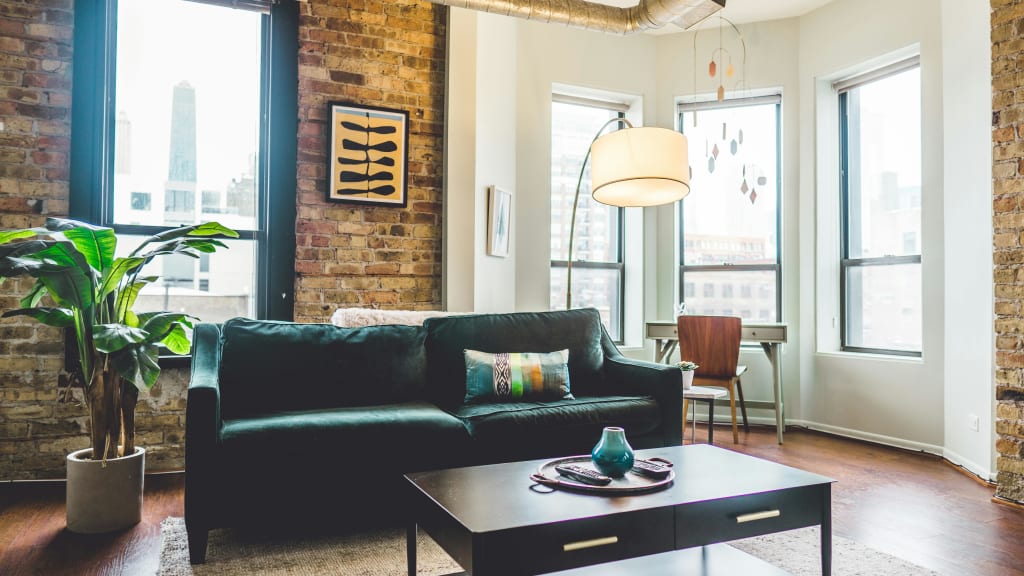
As an interior designer, one of the most common challenges I see homeowners face is achieving a cohesive living room design. A well-put-together space should feel inviting, balanced, and reflect your personal style—without feeling cluttered or mismatched. Whether you’re starting from scratch or refreshing your current setup, here are some practical tips to help you create a living room that feels harmonious and beautifully designed.
1. Choose a Defining Color Palette
The first step in creating a cohesive design is selecting a color palette. Ideally, your living room should have three to five core colors:
• Primary Color: This is the dominant shade in your space, often found on walls, large furniture pieces, or rugs.
• Secondary Color: A complementary shade that appears in furniture, curtains, or decorative items.
• Accent Colors: These add contrast and personality, often found in pillows, artwork, or small decor pieces.
How Curtains Tie the Color Scheme Together
Curtains play a major role in your living room’s color harmony. If you want a seamless look, match your curtains to your wall color or main furniture piece (like the sofa). If you prefer contrast, choose curtains in your secondary or accent color to add depth and character. For example:
• Neutral walls (beige, gray, or white)? Opt for curtains in a slightly darker or richer shade within the same color family.
• Bold or dark-colored walls? Choose curtains in a neutral shade to balance the room.
• Patterned curtains? Make sure at least one color in the pattern matches a primary or secondary color in your space.
2. Balance Patterns and Textures
A well-designed living room isn't just about color—it’s also about texture and pattern. Too much of the same can make a space feel flat, while too many competing elements can make it feel chaotic.
• If you have a patterned sofa, go for solid-colored curtains.
• If your walls and furniture are solid-colored, introduce patterned curtains, rugs, or cushions for interest.
• Layer different textures—like a plush rug, linen curtains, and a leather sofa—to create depth and warmth.
3. Consider Peel-and-Stick Wallpaper for a Quick Transformation
If you want to add personality and dimension to your living room without committing to permanent wallpaper or a full paint job, peel-and-stick wallpaper is a fantastic option. It’s easy to apply, removable, and available in a variety of colors and patterns to suit your design theme. Here’s how to use it effectively:
• Choose a wallpaper that complements your existing color palette.
• Use it as an accent wall behind the sofa or entertainment unit for a focal point.
• Opt for textured or subtle patterns if you want a sophisticated look, or bold prints if you want to make a statement.
• Pair it with neutral furniture and decor to keep the space balanced.
4. Invest in Key Furniture Pieces
A cohesive living room starts with the right furniture. Stick to a consistent style—whether it’s modern, traditional, or eclectic. Here’s how to make sure everything works together:
• Choose a sofa that sets the tone for your space.
• Ensure your coffee table, side tables, and shelving units complement each other (they don’t need to match exactly but should feel intentional together).
• Keep furniture proportions balanced—a large sectional might overwhelm a small space, while a tiny sofa might get lost in a spacious room.
5. Use Lighting to Enhance the Mood
Lighting is an underrated design element that can dramatically change the feel of a room. Aim for a mix of lighting sources:
• Ambient lighting (overhead fixtures) provides general illumination.
• Task lighting (floor lamps, table lamps) helps with reading or focused activities.
• Accent lighting (wall sconces, string lights) adds a warm and inviting glow.
A pro tip? Warm white light creates a cozy atmosphere, while cool white light feels modern and energizing.
6. Personalize with Accessories and Art
Your living room should reflect your personality, and accessories are the easiest way to achieve that. Here’s how to keep it cohesive:
• Choose art and wall decor that tie into your color scheme.
• Incorporate decorative pillows, throws, and rugs in complementary shades.
• Display books, vases, or plants that enhance the overall look.
Final Thoughts
Creating a cohesive living room is all about balance—color, texture, furniture, and lighting all work together to create a seamless and inviting space. Remember, the key is consistency: stick to a color palette, mix textures wisely, and let your personal style shine through thoughtful decor choices.
Happy decorating! 😊
About the Creator
Amelia Semler
Lifestyle Blogger, Copywritter
Keep reading
More stories from Amelia Semler and writers in Lifehack and other communities.
6 ways how to make additional money as a designer
You are a great designer. Design is your passion, hobby, and job. You already work in a great office but you feel like you could do more. In this article, we have compiled 6 ideas you can do as a designer to earn some extra money and learn some new skills in the process. Let’s dive in!
By Amelia Semler4 years ago in Journal
The Surprising Way Positive Thinking Can Change Your Life
Let me tell you the story of how I almost didn't win a car. Yup. You've heard it right. A car. But we almost didn't enter the raffles, thinking "Well, out of the thousands that applied, it's impossible to win".
By Anie the Candid Writer Abroad4 days ago in Lifehack


Comments
There are no comments for this story
Be the first to respond and start the conversation.