
Commercial vs Residential Real Estate: A Complete Guide to Buying and Selling Property
Real estate is one of the most reliable ways to build wealth, whether you’re an investor, business owner, or homeowner

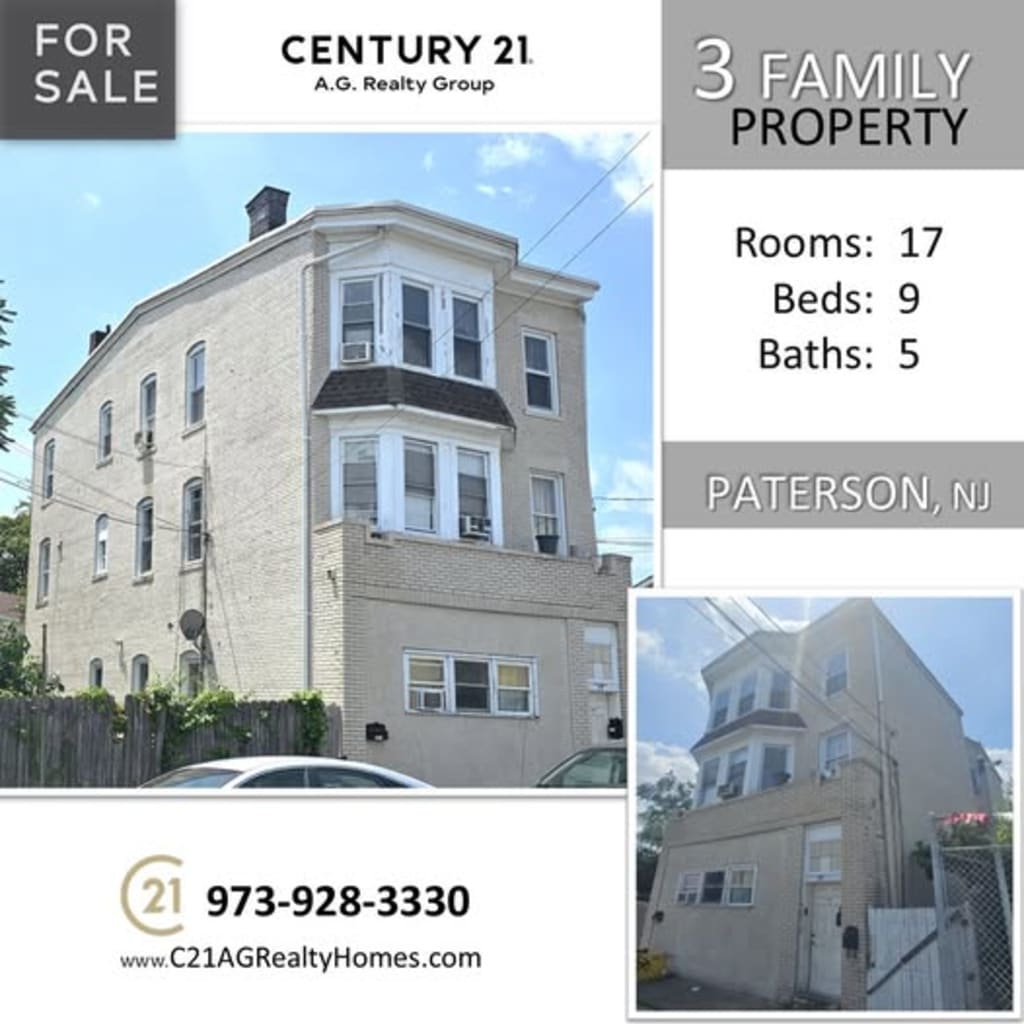
Real estate is one of the most reliable ways to build wealth, whether you’re an investor, business owner, or homeowner. But one of the biggest decisions you’ll face is choosing between commercial vs residential real estate. Should you focus on buying a commercial property, or is buying and selling residential properties the smarter move for your goals?
This comprehensive guide compares both sectors and outlines everything you need to know to make confident, informed investment decisions.
What’s the Difference Between Commercial and Residential Real Estate?
Residential real estate refers to properties designed for people to live in—such as houses, apartments, flats, and multi-family homes. These properties are generally leased to individuals or families for living purposes.
Commercial real estate, on the other hand, includes buildings used for business operations. This includes offices, retail shops, restaurants, warehouses, and industrial facilities. Commercial properties can be occupied by business tenants or used by the property owner’s own business.
Key differences include:
Purpose: Residential = housing; Commercial = business use
Lease duration: Residential leases typically last 6–12 months; commercial leases often last 3–10 years
Financing: Residential loans are more accessible, while commercial loans require higher deposits and stricter terms
Risk and reward: Commercial properties often have higher income potential but can be riskier during economic downturns
Pros and Cons of Buying a Commercial Property
If you're considering buying a commercial property, it’s important to understand both the advantages and the challenges.
✅ Benefits:
Higher rental yields – Businesses tend to pay more for space, leading to stronger returns.
Long-term leases – Commercial tenants prefer multi-year leases, ensuring consistent income.
Triple net lease options – In some agreements, tenants cover maintenance, taxes, and insurance, reducing landlord responsibility.
Professional tenants – Businesses are usually more responsible with upkeep to maintain a professional image.
❌ Challenges:
Higher upfront costs – You’ll typically need a bigger deposit and more capital for maintenance.
Longer vacancies – If a business tenant leaves, it may take longer to find a new one compared to residential.
Greater complexity – Commercial investments involve more legal and regulatory requirements.
Economic sensitivity – Commercial real estate is more affected by market changes, such as recessions or industry shifts.
Pros and Cons of Buying and Selling Residential Properties
Buying and selling residential properties is a common route for new investors and homeowners looking to make a profit or generate rental income.
✅ Advantages:
Lower entry barriers – Residential properties are generally more affordable and easier to finance.
High demand – Housing is a constant need, so there’s typically strong rental and resale demand.
Easier resale – Residential homes usually sell quicker than commercial buildings.
Tax advantages – There are more tax incentives and deductions for residential landlords and buyers.
❌ Disadvantages:
Lower yields – Rental income from residential units is often less than from commercial ones.
Shorter lease terms – Residential tenants often stay for a year or less, leading to frequent turnover.
More management duties – Landlords are typically responsible for repairs, maintenance, and tenant issues.
Tenant reliability – Residential tenants may not be as financially stable as business tenants.
Commercial vs Residential: Which One Is Right for You?
Your ideal investment depends on your goals, budget, experience, and risk tolerance. Here are a few scenarios to help you decide:
Want regular, hands-off income? → Consider commercial property with long-term leases.
Looking for low-risk investment? → Start with a residential property in a high-demand area.
Running your own business? → Buying a commercial space can be a smart long-term move.
Flipping homes or building a portfolio? → Focus on buying and selling residential properties.
Some investors choose mixed-use properties—buildings that combine residential and commercial spaces—to enjoy the best of both worlds.
Tips for a Successful Property Purchase
Whether you're buying a commercial property or investing in a house, here are some tips to maximise your success:
Research local markets – Understand property prices, demand, and economic growth.
Get professional help – Work with estate agents, solicitors, and mortgage advisors.
Inspect the property – Always assess the structure, location, and future potential.
Understand legal obligations – Different rules apply to commercial and residential leases.
Plan for costs – Include insurance, maintenance, taxes, and void periods in your budget.
Final Thoughts
There’s no one-size-fits-all answer when it comes to commercial vs residential real estate. If you’re new to investing, buying and selling residential properties might offer more simplicity and lower risk. If you're aiming for higher returns and longer-term income, buying a commercial property could be a more rewarding—but complex—investment.
About the Creator
Keep reading
More stories from agrealtynj and writers in Lifehack and other communities.
Buying and Selling Residential Properties: A Guide to Smart Investments with Top Real Estate Agents in New Jersey
The decision to invest in property—whether buying your first home or selling one to move up—is a major financial milestone. In today’s dynamic housing market, understanding the ins and outs of buying residential property is crucial. For those navigating the dual challenge of buying and selling residential properties, the process can feel overwhelming without expert guidance. That’s where the top real estate agents in New Jersey step in, offering local insight, negotiation skills, and streamlined support.
By agrealtynj6 months ago in Lifehack
Top 10 Questions to Ask Every Perth NDIS Service Before You Engage Them
Choosing the right National Disability Insurance Scheme (NDIS) provider shapes the quality of care, independence, and outcomes a participant experiences. In Perth, families and participants face a growing number of service options, which makes informed decision-making essential.
By Anshul Vijay2 days ago in Lifehack
9 Foods You Should Never Eat Past the Expiration Date, No Exceptions
But certain foods cross a line where the expiration date becomes about more than just quality—it’s about safety. Eating past that line can expose you to dangerous bacteria, toxins, or nutrient loss you can’t see or smell. Knowing which foods to never push beyond their expiration dates is key to keeping your kitchen safe. Here are the nine foods that are not worth the risk.
By General gyan2 days ago in Lifehack




Comments
There are no comments for this story
Be the first to respond and start the conversation.