
Classic Meets Contemporary
Integrating Classic Carpets Into Modern Offices

In today’s fast-evolving work environments, office design has become more than just a functional necessity—it’s a reflection of brand identity, company culture, and employee well-being. While sleek lines and minimalism dominate modern office trends, there’s a growing appreciation for timeless elements that bring warmth, character, and sophistication. One such element making a stylish comeback is the classic carpet.
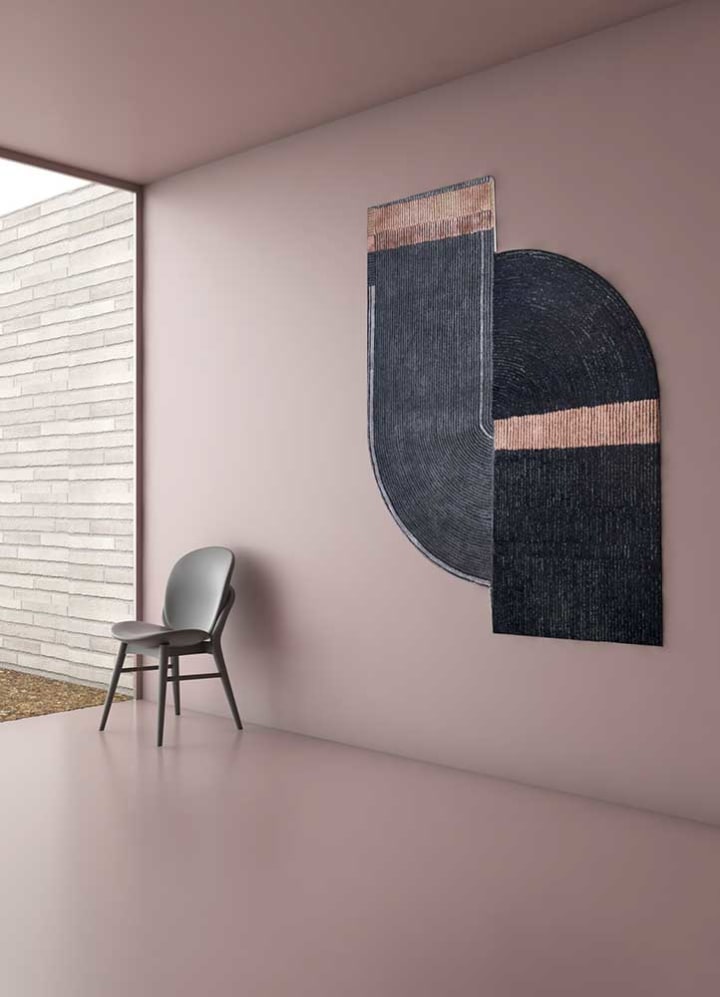
Merging the elegance of the past with the practicality of the present, classic carpets for office use are transforming sterile spaces into inviting, layered environments. Whether it's a hand-tufted masterpiece in the boardroom or a subtle patterned rug in the waiting area, these carpets offer a grounded aesthetic that modern design often lacks.
Why Classic Carpets Are Making A Comeback
Classic carpets have always stood for quality, artistry, and timeless style. They are often inspired by Persian, Oriental, or traditional European designs—featuring intricate motifs, rich colors, and carefully balanced symmetry. But in today’s modern offices, they’re not just relics of the past; they’re design statements.
With businesses now seeking to humanize their workspaces, classic carpets offer the perfect balance between comfort and credibility. They soften the stark lines of modern architecture, absorb noise in open layouts, and add a tactile layer that makes office spaces feel more like home.
The Power Of Contrast: Old Meets New
Pairing classic carpets with modern interiors creates a powerful aesthetic contrast. For instance, placing a vintage-style pattern rug beneath a glass or steel desk introduces depth and visual interest. Similarly, combining a classic carpet with minimalist furniture allows the rug to shine as a centerpiece without clashing with the overall design theme.
In neutral office palettes, such as white, black, or grey, a classic rug can serve as a warm anchor. For example, a grey carpet with traditional motifs can balance modern lighting and exposed ceilings, while a black carpet with subtle detailing offers sophistication and drama in corporate settings.

Where To Place Classic Carpets In Your Office
Classic carpets are versatile and work well across various office zones. Here are some placement ideas:
- Executive Offices: These spaces benefit from luxurious touches. A hand-knotted or hand tufted carpet beneath an executive desk not only elevates the room’s status but also provides comfort underfoot.
- Reception Areas: The reception is your brand's first impression. A patterned carpet in rich tones—like navy, maroon, or beige—instantly adds warmth and professionalism.
- Meeting Rooms: Add an elegant touch to boardrooms with classic carpets that reduce echo and enhance focus. Neutral styles work best here for a calm, balanced atmosphere.
- Lounge and Break Areas: Make relaxation spaces feel cozier with smaller classic rugs or small carpets. They encourage informal conversations and offer a visual break from the functional workspace.
- Private Workstations: Adding a traditional-style small carpet under each desk creates a more personalized and comfortable workspace, especially in open-plan offices.
The Best Color Choices For Contemporary Settings
Choosing the right color is crucial for blending classic design with modern interiors. Neutral hues like beige, grey, and charcoal tend to work best. A beige carpet with subtle floral or medallion patterns brings lightness and a touch of class, while grey carpets can ground brighter elements in the room. For bolder statements, a black carpet with traditional etchings adds drama without overwhelming the space.
Office interiors in trend-forward regions like Dubai often reflect this balance. Many carpets in Dubai showcase heritage patterns updated with modern color schemes—perfect for brands looking to blend tradition with innovation.
Choosing The Right Size And Material
When it comes to integrating classic carpets into an office, size and material matter just as much as design. In large areas like conference halls or lobbies, opt for medium to large rugs that define space without appearing overwhelming. In compact spaces, small carpets strategically placed under desks or coffee tables are enough to elevate the ambiance.
Hand tufted carpets are a popular choice for offices due to their rich texture, resilience, and handcrafted appeal. They’re softer than machine-made rugs and ideal for areas where both comfort and design are priorities.
Where To Buy Classic Carpets For Office Use
Fortunately, you don’t have to travel far to find the perfect piece. Many reputable retailers now offer premium carpets online, complete with filters for size, style, material, and color. Whether you're searching for a patterned carpe
t to match a brand’s identity or a neutral classic piece for a subtle upgrade, shopping online allows you to compare and customize with ease.
Look for platforms that provide customization options if your space has unique dimensions. Custom size rugs are especially useful for unusually shaped rooms or focal-point designs.
The Long-Term Benefits Of Classic Carpets
Beyond aesthetics, classic carpets offer long-term benefits:
- Durability: Made from high-quality materials, many classic rugs are designed to last for decades.
- Low Maintenance: Traditional weaving techniques make them easier to clean and maintain over time.
- Increased Property Value: Investing in hand-tufted or heritage-style carpets can add perceived value to your office environment.
So...
Designing a modern office doesn’t mean stripping away character. In fact, integrating elements like classic carpets can make your space feel more grounded, welcoming, and refined. These carpets are not only beautiful—they’re purposeful. They reflect your brand’s story, offer visual comfort, and create an atmosphere where employees and visitors alike feel at ease.
So, if you’re looking to upgrade your workspace with something timeless and tasteful, consider going classic. With the right carpets for office use, you can create a space that blends the best of both worlds—modern function with timeless style.
About the Creator
Keep reading
More stories from Amal Shuhrah Malouf and writers in Lifehack and other communities.




Comments
There are no comments for this story
Be the first to respond and start the conversation.