
Car Recycling: From Free Pickup to Final Processing
A step-by-step guide to how your old car gets recycled


Car recycling plays a critical role in reducing environmental impact, reclaiming valuable materials, and minimizing waste. Every year, millions of vehicles reach the end of their lifecycle, making recycling an essential part of the automotive ecosystem. In this guide, we break down the car recycling process step by step—from initial pickup to final material processing—giving you a clear understanding of what happens to your old vehicle once it’s out of service.
Whether you're planning to dispose of your vehicle or are simply curious about how the industry operates, this article will walk you through each phase in detail. Services like car body removal in Adelaide have made it easier than ever to start the recycling journey responsibly and efficiently.
Vehicle Pickup and Initial Inspection
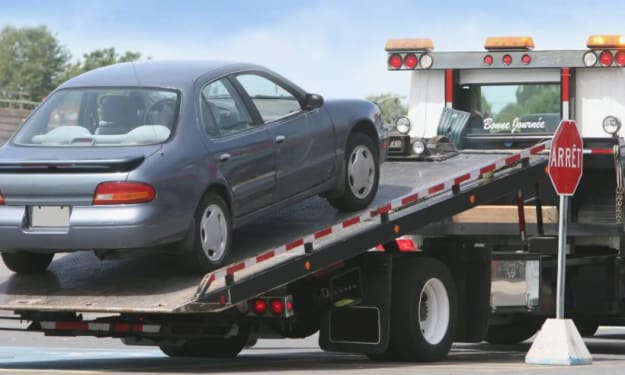
The first step in the car recycling process is arranging the pickup of your old or unwanted vehicle. Many recycling companies offer free towing services or even pay you cash to collect the vehicle from your home or business. During this stage, professionals assess the car's condition to determine its potential for reuse or dismantling.
Important documentation like the vehicle title and proof of ownership are often required before pickup. Once verified, the vehicle is towed to a licensed dismantling facility.
Depollution: Removing Hazardous Materials
Before any parts can be reused or materials processed, the vehicle must undergo depollution. This critical stage involves draining and safely disposing of all hazardous fluids and substances, including:
Engine oil
Transmission fluid
Brake fluid
Coolant
Fuel
Battery acid
Airbags (deployed or undeployed)
Proper handling of these materials ensures that they don’t contaminate soil or water supplies and comply with environmental safety standards.
Dismantling: Salvaging Usable Parts
Once the car has been depolluted, it enters the dismantling phase. Skilled technicians carefully remove components that can be resold or refurbished. These typically include:
Engine and transmission
Tires and wheels
Batteries
Alternators and starters
Radiators
Mirrors and doors
Seats and interior panels
Each salvaged part is tested for quality, cleaned, cataloged, and resold in the aftermarket, extending its life and reducing the demand for new manufacturing.
Car Body Removal and Crushing
After valuable parts are stripped, the remaining vehicle shell—often just the car’s body and frame—goes through car body removal and is prepared for shredding. In places like scrap car removal in Adelaide, specialized equipment is used to compress and flatten the shell, making it easier to transport and process.
This step is crucial in reducing the bulk and making the vehicle manageable for the next stage in the recycling pipeline.
Shredding and Material Separation
The compressed car bodies are sent to industrial shredders that can break down an entire vehicle in minutes. These machines use powerful rotating hammers to tear the car into small pieces. The resulting mixture is then passed through various sorting technologies to separate materials such as:
Steel and iron (usually the largest percentage of a vehicle's mass)
Aluminum
Copper
Plastics
Glass
Rubber
Advanced technologies like magnets, eddy current separators, and flotation tanks help ensure efficient and accurate separation of materials.
Processing and Recycling of Materials
Once sorted, the raw materials undergo further refining and processing. For example:
Metals are melted down and reformed into new steel products, which can be reused in manufacturing cars, construction materials, and appliances.
Plastics are cleaned and repurposed into packaging, new car parts, or even home goods.
Glass can be processed into fiberglass or reused in new windows or bottles.
Rubber from tires is often turned into playground surfaces or road asphalt.
This phase not only conserves natural resources but also dramatically reduces energy consumption compared to producing materials from virgin resources.
Environmental and Economic Impact
Car recycling is not just good for the environment—it’s also a major economic contributor. The global vehicle recycling industry supports thousands of jobs and helps reduce dependency on landfills and raw material extraction.
Environmentally, it helps lower greenhouse gas emissions, prevent hazardous waste leakage, and promote the sustainable use of resources. The lifecycle of automotive materials is extended, reducing the overall footprint of vehicle production and disposal.
Choosing a Responsible Car Recycler
Not all recycling services are equal. When selecting a car recycler, look for:
Licensing and certifications from local environmental authorities
Transparent pickup and recycling procedures
Positive customer reviews
Compliance with eco-friendly standards
Choosing a reputable provider ensures that your vehicle will be recycled ethically, legally, and sustainably.
Conclusion
The car recycling process is a detailed and environmentally responsible journey that transforms old vehicles into valuable resources. From the initial pickup to the final material repurposing, each step plays a role in reducing waste, conserving materials, and protecting the environment.
If you're looking to dispose of your vehicle in a way that benefits both you and the planet, understanding this process is key. Services like car body removal Adelaide offer a convenient and eco-conscious way to get started, helping ensure your car is handled with care from start to finish.
About the Creator
Cash For Cars Adelaide
Get top cash for cars in Adelaide! Trusted, expert service offering fast removals, fair deals, and eco-friendly recycling. Sell your car today!
Website: https://cash-4-cars.com.au/
Keep reading
More stories from Cash For Cars Adelaide and writers in Lifehack and other communities.
Free Car Removal vs. Paid Towing: What’s the Difference?
When it comes to getting rid of an unwanted or damaged vehicle, car owners are often faced with two primary options: free car removal and paid towing services. While both options aim to move your car from one place to another, they differ significantly in terms of cost, purpose, and long-term value. Understanding these differences can help you make the most informed and beneficial decision.
By Cash For Cars Adelaide7 months ago in Lifehack
Technology’s Role in Building Cleaner, Healthier Communities
Technology has become an essential force in shaping modern society, influencing how people communicate, travel, and manage resources. One area where its impact is increasingly visible—but often underappreciated—is sanitation. As communities grow denser and environmental concerns intensify, traditional cleaning methods are no longer sufficient. Technology-driven sanitation solutions are emerging as a critical tool in building cleaner, healthier, and more sustainable communities.
By EcoClean Innovations6 days ago in Lifehack
Top Things to Do in North Potomac for Families
Known for its quiet neighborhoods and welcoming atmosphere, North Potomac appeals to families who value space, safety, and a strong sense of community. Whether you are new to the area or have lived here for years, there are plenty of activities that families can enjoy together.
By House Doctorabout 9 hours ago in Lifehack



Comments
There are no comments for this story
Be the first to respond and start the conversation.